 Login
Zambia
Zambia – A Rising Star in Southern Africa
Bordering eight countries and a member of regional trade blocs such as the Southern African Development Community (SADC) and the Common Market for Eastern and Southern Africa (COMESA), Zambia offers businesses access to an expanding consumer base and robust trade networks.
A Rising Star in Southern Africa
Zambia, located in Southern Africa, is emerging as a business-friendly destination. Rich in natural resources like copper, cobalt, and gold, its mining sector has long been a major contributor to economic growth. Multinational corporations, drawn by the country’s favorable investment policies and incentives, continue to establish operations in Zambia. The government’s support for the mining industry has cemented its place as a global player in copper production.
Sectoral opportunities
Zambia's economic landscape presents fertile opportunities for small and medium-sized enterprises (SMEs), driven by a growing economy and diverse market demands. The sectors most promising for SMEs range from agriculture to renewable energy, each offering unique avenues for entrepreneurial success.
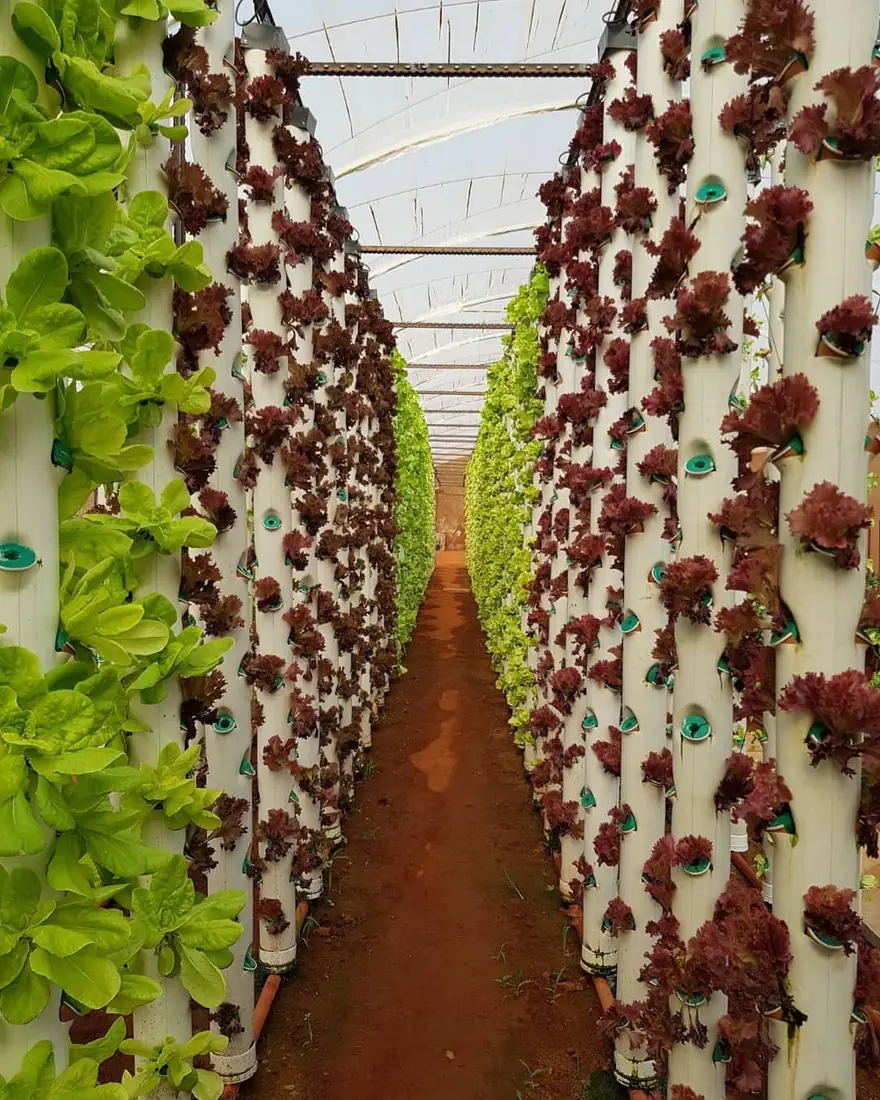
Agriculture and agribusiness With abundant fertile land and a favourable climate, Zambia’s agricultural sector is ripe for expansion. Farming, particularly crops like maize, tomatoes, and soybeans, presents lucrative prospects. As demand for local and export food production grows, SMEs that engage in agribusinesses focusing on value-added products, such as processed foods or farm-to-market supply chains, are well-positioned to thrive. The agricultural sector remains a cornerstone of the Zambian economy and offers long-term growth potential for SMEs willing to innovate in farming techniques and distribution.
Rental services Zambia’s preference for renting over ownership presents an intriguing opportunity for SMEs. Whether renting equipment, vehicles, or event supplies, businesses catering to the rental market are tapping into a deeply rooted cultural norm. The capital-light nature of rental services makes this sector particularly attractive for small-scale entrepreneurs seeking consistent revenue streams without the need for large upfront investments.
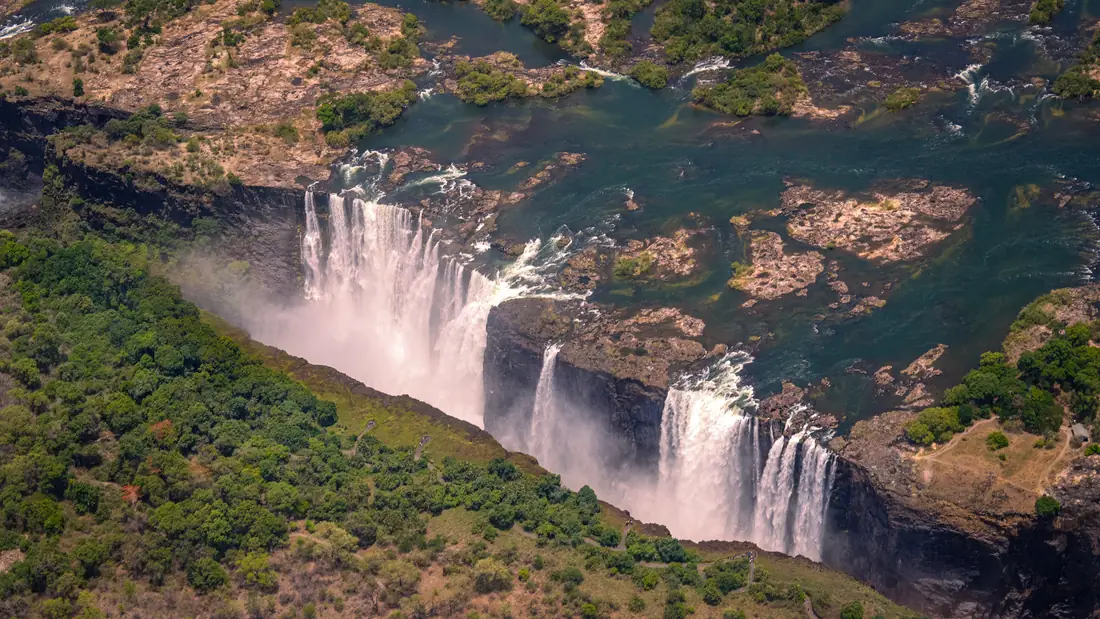
Tourism services Zambia’s rich natural beauty, including the world-renowned Victoria Falls, remains a powerful draw for international and domestic tourists. SMEs providing eco-tourism experiences, guided tours, and niche travel services can capitalise on this growing industry. As demand for sustainable and adventure travel increases, businesses focused on offering unique, eco-friendly tourism services are poised for success.
Mobile phone accessories Zambia’s high mobile phone penetration has fueled demand for mobile phone accessories, creating a profitable niche for SMEs. From chargers and cases to headphones and power banks, entrepreneurs entering this sector can leverage the rising consumer base. With mobile devices essential for communication and business in both urban and rural areas, this market is expected to expand further, making it an attractive space for small businesses with low barriers to entry.
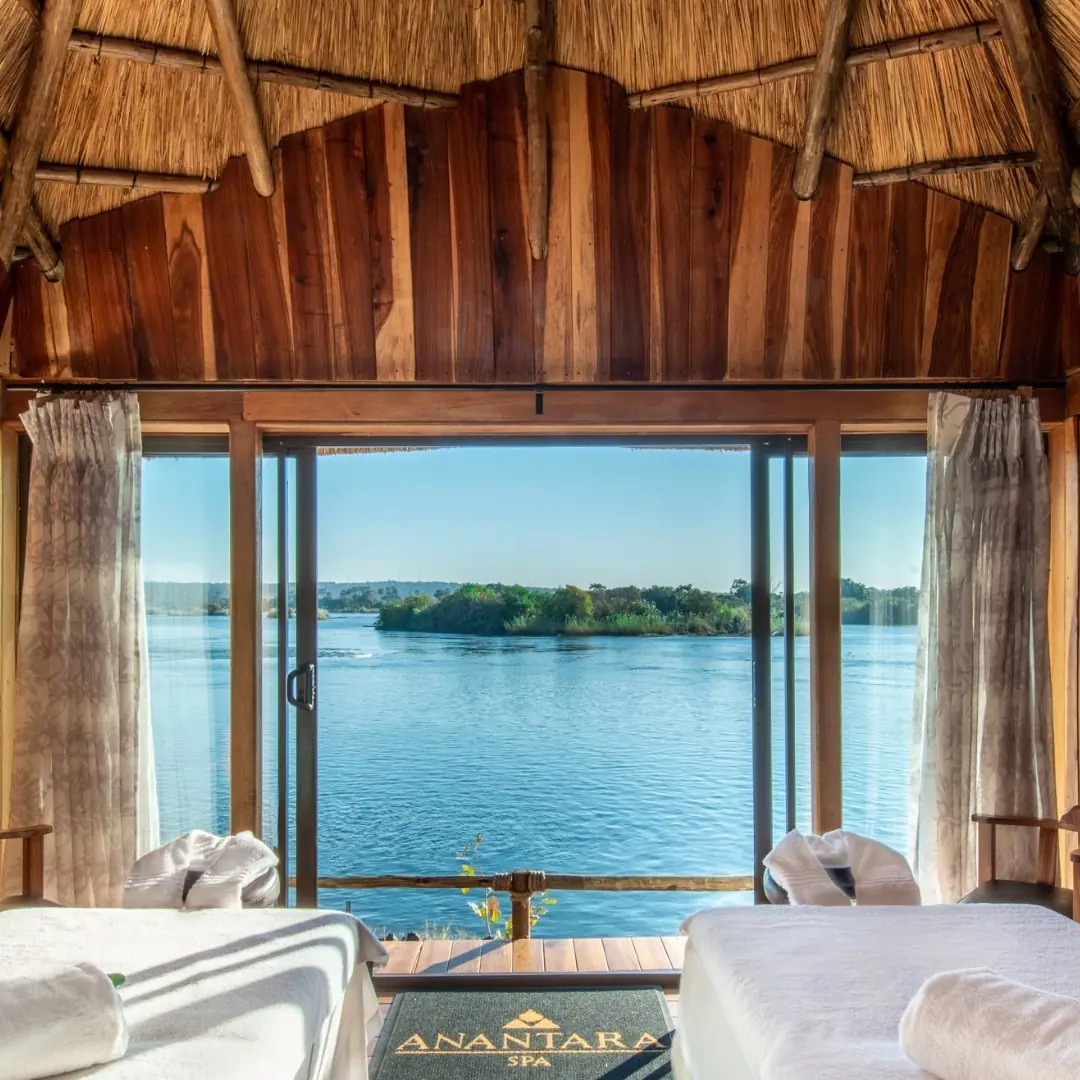
Fitness and wellness The fitness and wellness industry is gaining traction as Zambians become more health-conscious. SMEs establishing gyms, wellness centres, and health-focused services can tap into a growing market of consumers interested in fitness and lifestyle improvement. The rise in disposable income and urbanisation is fueling this trend, making fitness a profitable venture for those offering affordable, tailored solutions.
E-commerce As internet penetration rises in Zambia, so does the opportunity for e-commerce. SMEs that create online marketplaces or leverage existing platforms to sell local products stand to benefit from a shift towards digital shopping. While still nascent, the e-commerce sector has shown potential for rapid growth, especially in urban areas. SMEs offering fast, reliable, and localised solutions can capture this emerging trend as more consumers embrace online retail.
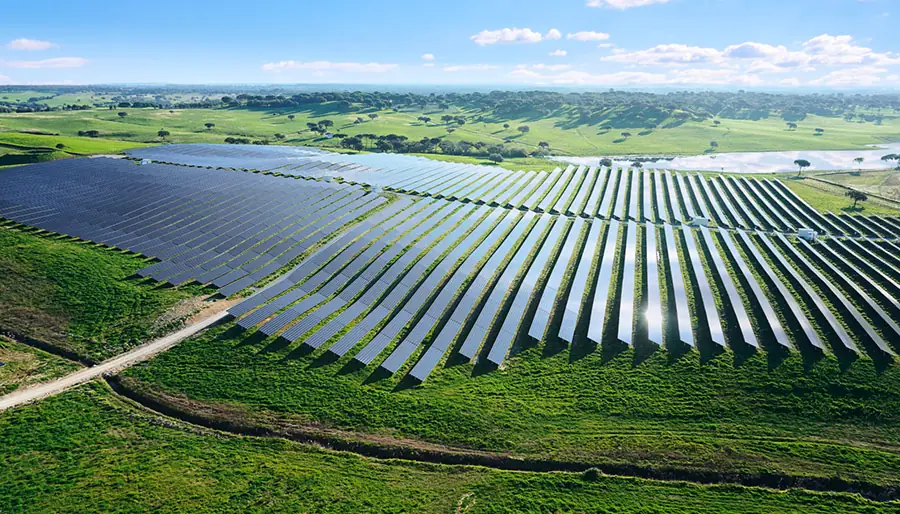
Renewable energy With energy needs on the rise, Zambia’s shift towards renewable energy offers significant opportunities for SMEs. Solar solutions, in particular, are gaining traction in both urban and rural areas. SMEs that provide affordable, reliable solar energy products or services are set to benefit from growing consumer demand and government incentives aimed at reducing reliance on traditional energy sources.
Strategic location at the heart of Southern Africa
Zambia’s central location within Southern Africa positions it as a gateway to regional markets. Bordering eight countries and a member of regional trade blocs such as the Southern African Development Community (SADC) and the Common Market for Eastern and Southern Africa (COMESA), Zambia offers businesses access to an expanding consumer base and robust trade networks.
Political stability and business-friendly reforms
Known for its political stability, Zambia boasts a democratic system that respects the rule of law. This stability enhances investor confidence. The government has also prioritized reforms aimed at improving the ease of doing business. By streamlining administrative processes and introducing online business registration and payment platforms, Zambia has significantly reduced bureaucratic hurdles, creating a more favorable environment for investment.
Investment incentives and economic diversification
To diversify its economy beyond mining, Zambia has launched initiatives to attract investment in sectors like agriculture, tourism, manufacturing, and renewable energy. Special economic zones (SEZs) offer investors tax breaks, customs exemptions, and infrastructure support. The government’s focus on expanding these sectors is driving job creation and economic growth, positioning Zambia as a more versatile business destination.
A young and dynamic workforce
With a median age under 20, Zambia boasts a young, energetic workforce that drives its business environment. Investments in education and vocational training ensure that the workforce remains competitive and adaptable to evolving market demands, making it an attractive destination for companies seeking skilled labor.
Infrastructure supporting business growth
Zambia is making strides in infrastructure development, with modern transportation and communication networks bolstering its business activities. Roads, railways, airports, and telecommunications systems link Zambia to regional and global markets, ensuring seamless trade and investment opportunities.
Quality of life and opportunity
Zambia’s stable political environment and growing economy, coupled with ongoing infrastructure development, offer an excellent quality of life for investors and expatriates. Its natural beauty, cultural heritage, and outdoor opportunities add to its appeal as a business and lifestyle destination.
For more information on doing business in Zambia, explore Tribe Africa's Business section, where you'll also find key contacts such as the Chambers of Commerce, the Zambia National Advisory Board for Impact Investment, and other valuable resources under the Tribe Africa Pages. For insights into Zambia’s top tourist attractions, visit the Holiday section.
*When planning your first trip to Africa, it's essential to approach the experience with an open mind and a spirit of adventure. Many African nations are emerging from complex histories, and you’ll find an intriguing mix of modern, highly developed areas alongside regions that reflect a different pace of development. Each destination is unique, with regions evolving at their own rates.
You will be stepping into vibrant, fast-growing communities, where entrepreneurial energy thrives, and innovation often skips over traditional paths of progress. These dynamic environments offer a one-of-a-kind travel experience; an opportunity to witness the future being shaped in real-time.
While things may not always mirror what you're used to at home, embracing Africa's contrasts will open the door to its most authentic and rewarding aspects. Every country has its unique charm, and by appreciating the differences, you’ll uncover the incredible richness of Africa’s culture, landscapes, and people.