 Login
Tunisia
Tunisia – A Beacon for Business in North Africa
Its strategic location on the Mediterranean Sea, bridging Europe, Africa, and the Middle East, offers unparalleled access to global markets. 3862 international companies are based in Tunisia supplying their parent companies in more than 66 countries.
Strategic hub with global reach
Tunisia is emerging as a prime destination for regional and international commerce. Its strategic location on the Mediterranean Sea, bridging Europe, Africa, and the Middle East, offers unparalleled access to global markets. Membership in regional trade blocs, including the Arab Maghreb Union and the Agadir Agreement, strengthens its connectivity and trade ties with neighboring countries, making Tunisia a vital hub for trade and investment.
Sectoral opportunities
Tunisia's small and medium-sized enterprise (SME) sector is experiencing a period of dynamic growth, fueled by innovation and supportive government initiatives. Several key sectors stand out as particularly promising for investors and entrepreneurs.
Digital solutions The tech industry is booming, with startups in software development and fintech, such as Enda Tamweel, leading the charge. As demand for digital financial services and software solutions grows, this sector is set to continue expanding.
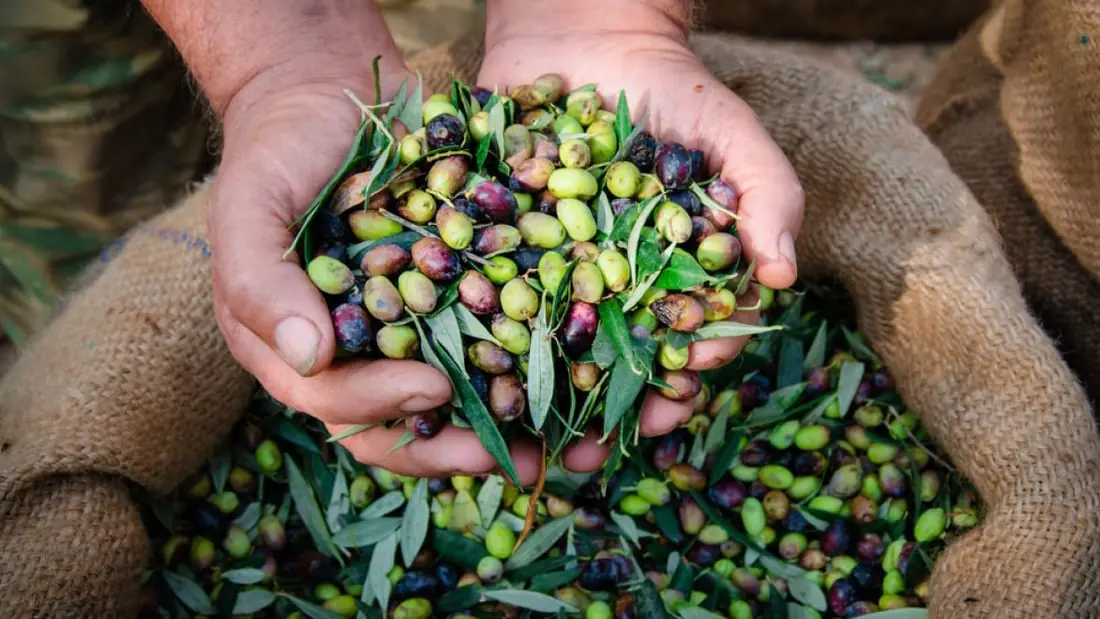
Food processing with local and export opportunities Food processing is another sector with significant potential, as local producers tap into both domestic and export markets. The growing focus on organic products and value-added processed foods presents SMEs with numerous opportunities to cater to health-conscious consumers at home and abroad.
Transport solutions Innovations in the transport sector are addressing urban mobility challenges. Ride-sharing platforms and logistics services are gaining traction, providing new opportunities for SMEs to meet the rising demand for efficient, tech-driven transport solutions.
A growing public interest in health and wellness As Tunisians become more health-conscious, the health and wellness sector is expanding. Gyms, wellness centres, and fitness-related businesses are seeing increased interest, offering room for SMEs to cater to a market focused on well-being and fitness.
E-commerce The e-commerce sector is also growing, with platforms like Dabchy capitalising on the rising trend of online shopping. Entrepreneurs are increasingly exploring digital retail spaces, creating new opportunities for SMEs to tap into a tech-savvy consumer base.
Meeting local and export demand in agribusiness Agribusiness remains a cornerstone of the Tunisian economy, with modern farming techniques playing a crucial role in meeting both domestic and export needs. Investments in sustainable and efficient agricultural practices are driving growth, particularly in organic farming.
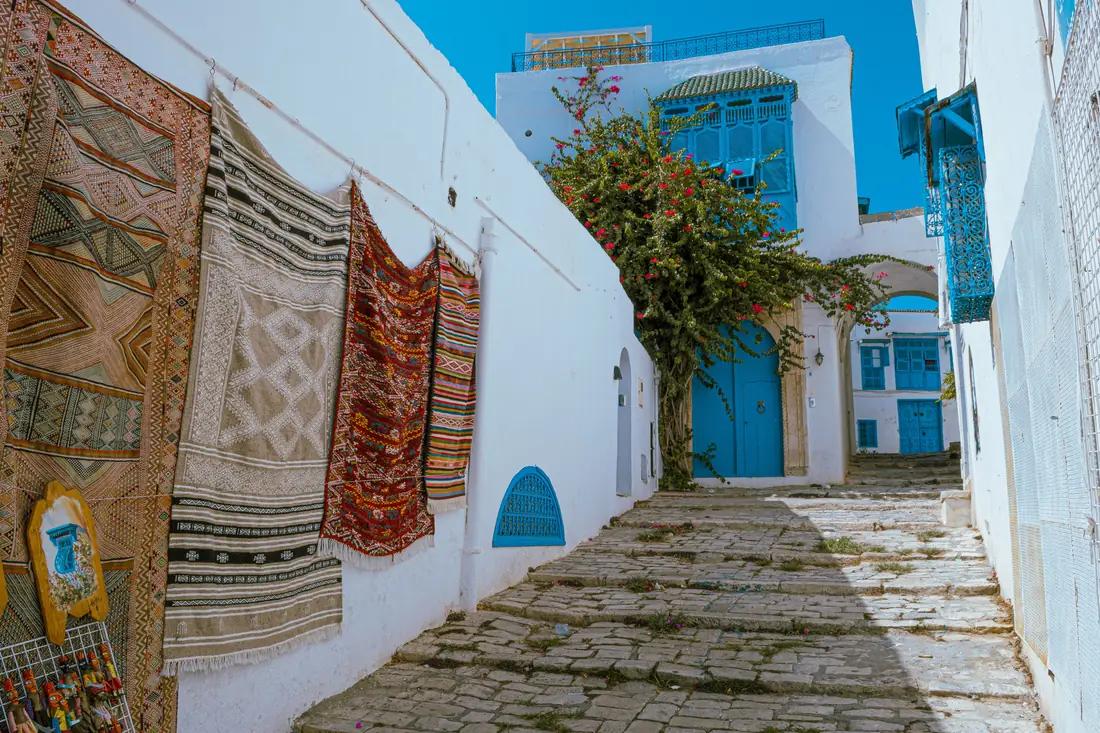
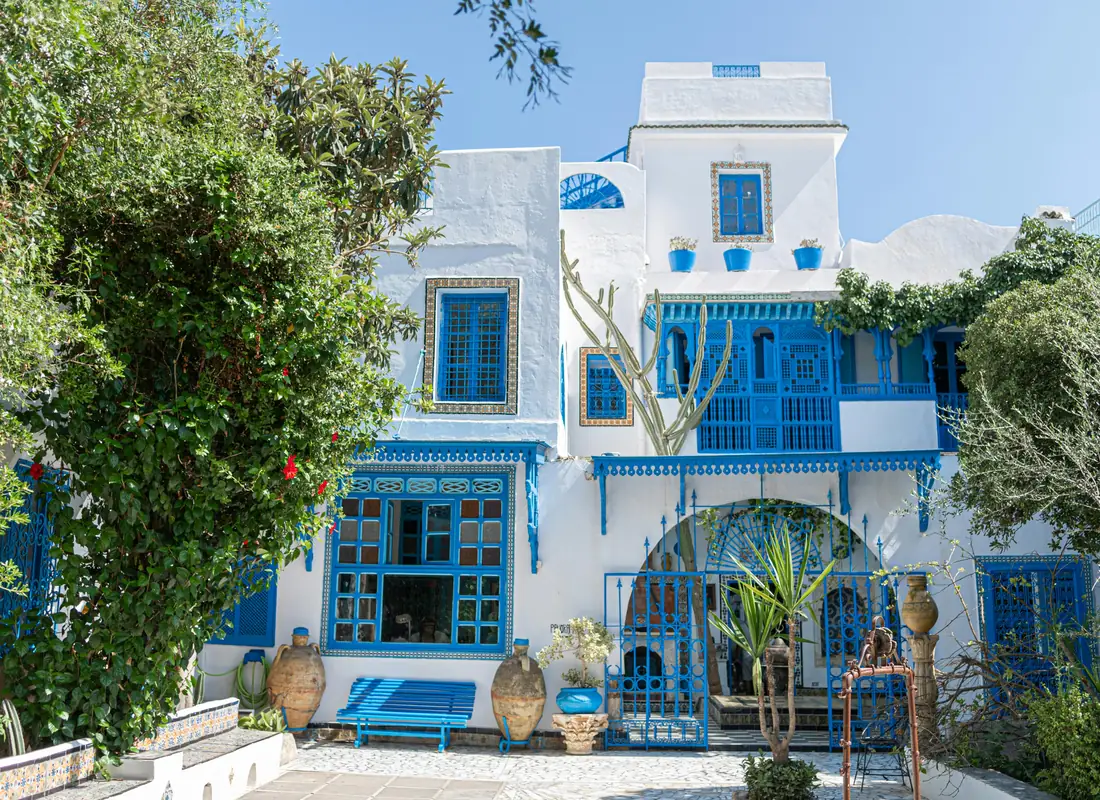
Tourism is a lucrative investment sector Tunisia’s tourism industry, supported by its rich cultural heritage and Mediterranean coastline, presents excellent opportunities for investors. SMEs in eco-tourism, boutique hotels, restaurants, and travel services are thriving, contributing to the broader economic growth while offering attractive returns for those who venture into this space.
Political stability and reforms
Since the Jasmine Revolution of 2011, Tunisia has embraced political reform, building a stable democracy that upholds transparency and the rule of law. This shift towards democratic governance has reinforced investor confidence, mitigating risks associated with political instability. The government’s dedication to property rights and regulatory reform has fostered a favorable business climate, which continues to attract foreign direct investment.
Attractive investment incentives
Tunisia's government is keen to attract investment across various sectors, offering generous incentives such as tax breaks, customs exemptions, and infrastructure support within special economic zones (SEZs). The country has targeted renewable energy, information technology, and tourism as priority sectors, launching sector-specific schemes to spur further growth. This focus is contributing to a diversified economy with strong foundations in textile manufacturing, pharmaceuticals, agri-food, automotive and aeronautics industries.
A skilled Workforce
One of Tunisia’s greatest assets is its highly educated workforce. The country’s education system produces professionals skilled in engineering, finance, technology, and languages, making it a competitive talent pool for businesses. Ongoing investments in vocational training ensure that this workforce remains adaptable to the changing demands of the global economy. This combination of technical skills and adaptability keeps Tunisia at the forefront of innovation and productivity.
Infrastructure and connectivity
Modern infrastructure has bolstered Tunisia’s economic development, with well-equipped ports, airports, and advanced telecommunications networks facilitating business activities. Tunisia’s proximity to European and Middle Eastern markets is further enhanced by direct air links to major cities, ensuring optimal connectivity for global supply chains.
Sectoral growth
Tunisia’s economy is diverse, with sectors such as aeronautics, ICT, agri-food, automotive, textiles, and tourism all showing significant potential for growth. For example, the aeronautics sector is expanding rapidly, with over 80 companies employing more than 13,000 people and an annual growth rate of 15-20%. The digital industry contributes around 11% of Tunisia’s GDP, while agriculture remains a key sector, accounting for 17% of the workforce.
An enticing quality of life
Beyond business, Tunisia offers an exceptional quality of life that appeals to expatriates and locals alike. With its Mediterranean climate, beautiful beaches, and rich cultural heritage, the country provides a unique balance between professional opportunity and personal fulfillment. Affordable living costs, modern amenities, and a peaceful environment make Tunisia an attractive location for work, with a rewarding lifestyle.
For more information on doing business in Tunisia, explore Tribe Africa's Business section, where you'll also find key contacts such as the Chambers of Commerce, Tunisia Investment Authority, and other valuable resources under the Tribe Africa Pages. For insights into Tunisia’s top tourist attractions, visit the Holiday section.
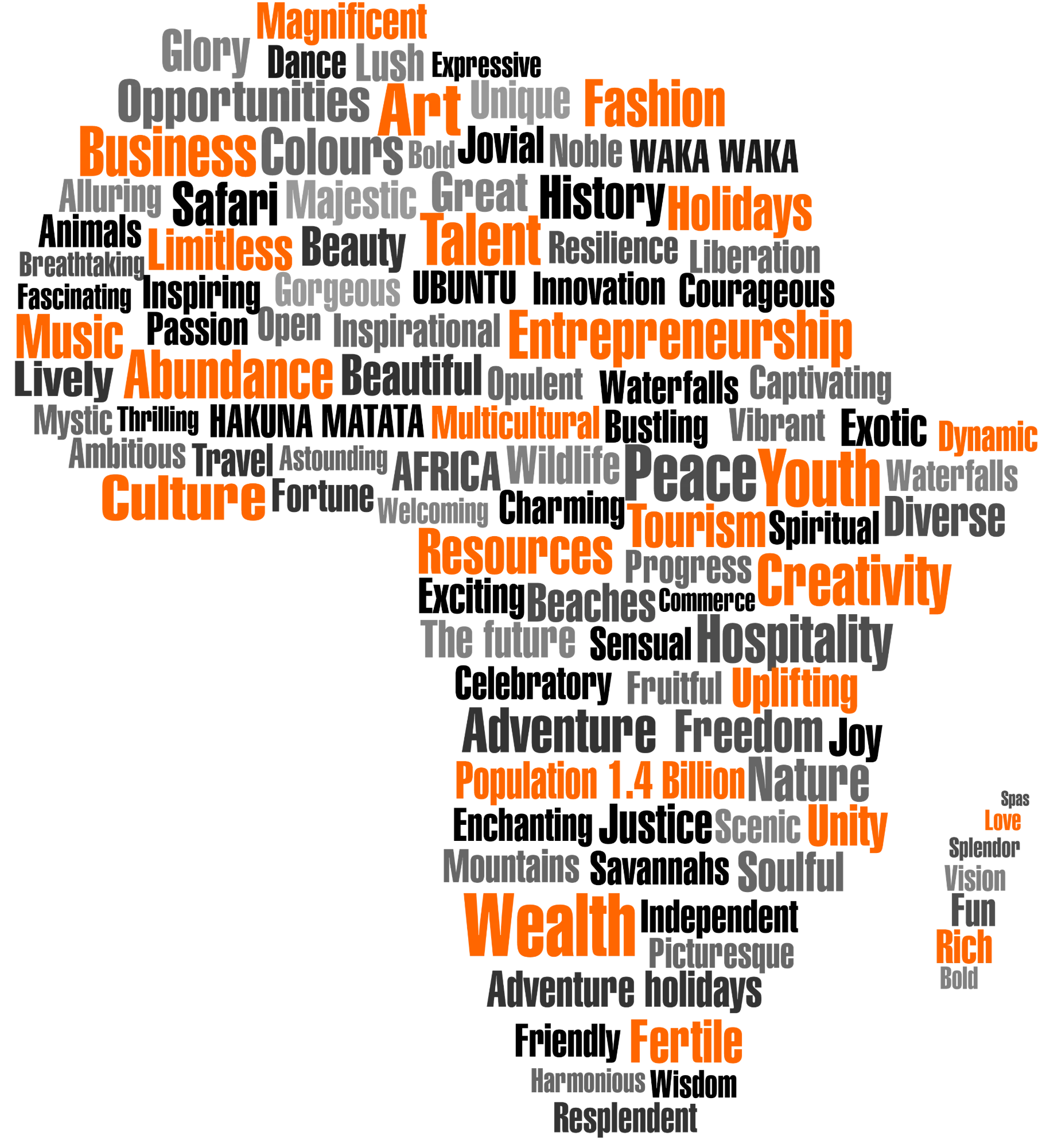
*When planning your first trip to Africa, it's essential to approach the experience with an open mind and a spirit of adventure. Many African nations are emerging from complex histories, and you’ll find an intriguing mix of modern, highly developed areas alongside regions that reflect a different pace of development. Each destination is unique, with regions evolving at their own rates.
You will be stepping into vibrant, fast-growing communities, where entrepreneurial energy thrives, and innovation often skips over traditional paths of progress. These dynamic environments offer a one-of-a-kind travel experience; an opportunity to witness the future being shaped in real-time.
While things may not always mirror what you're used to at home, embracing Africa's contrasts will open the door to its most authentic and rewarding aspects. Every country has its unique charm, and by appreciating the differences, you’ll uncover the incredible richness of Africa’s culture, landscapes, and people.