 Login
Our specially curated, tailor-made pilgrimages and excursions will be coming soon
Spiritual & Cultural pilgrimages
The Grand Magal of Touba, Senegal
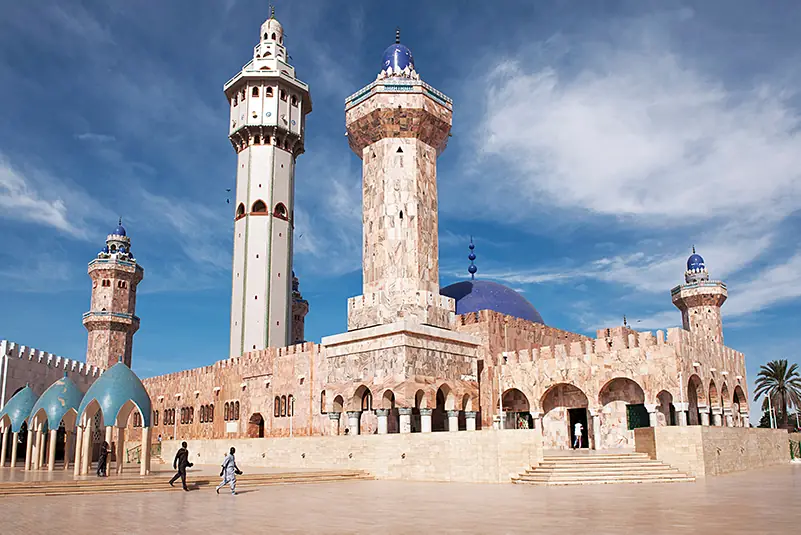
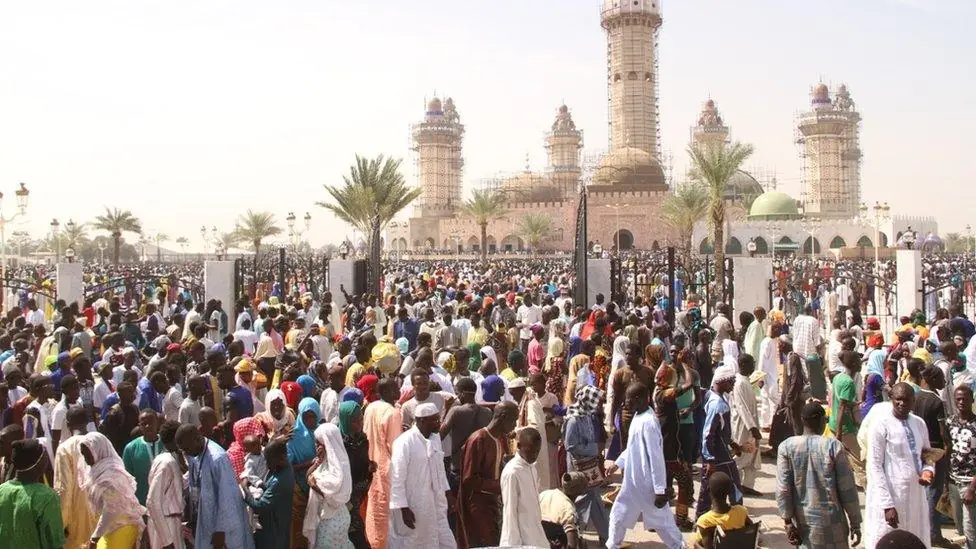
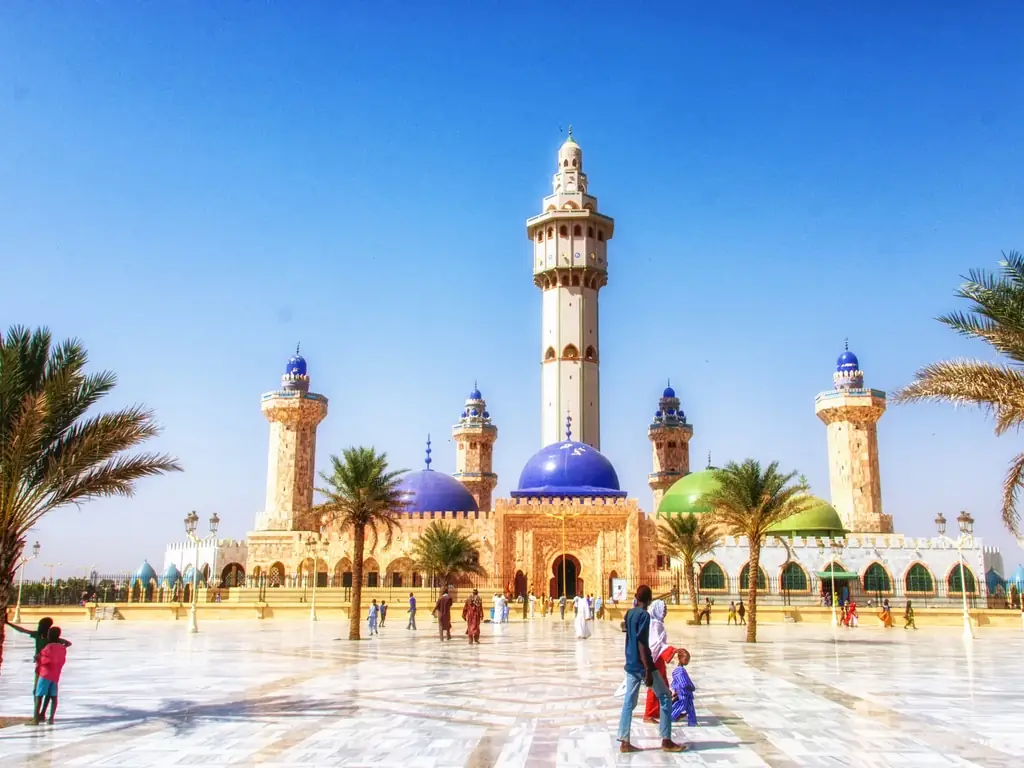
Every year, during the second month of the Islamic calendar, millions of pilgrims from diverse backgrounds come together to the sacred city of Touba in Senegal for “Le Grand Magal de Touba”. This annual pilgrimage, deeply rooted in the Mouride Brotherhood, a Sufi order of Islam, attracts more than three million participants from across the globe. For followers of the Mouride tradition, the Grand Magal is not just a journey of faith, but a profound spiritual celebration that honors their revered founder, Sheikh Amadou Bamba, and his teachings of devotion, perseverance, and peace.
The Grand Magal’s global resonance speaks to the enduring legacy of Amadou Bamba and the powerful spiritual pull of the Mouride Brotherhood. Pilgrims from Senegal and beyond travel to Touba to mark the anniversary of Bamba’s return from exile, a moment of triumph in the face of colonial oppression that solidified his status as a spiritual leader and hero of the Mouride movement. The pilgrimage, though steeped in religious devotion, is also a symbol of resilience, unity, and unwavering faith. For the Mouride community, the Grand Magal is an act of gratitude; an opportunity to reflect on Bamba’s message of humility, hard work, and non-violence, which continues to guide their daily lives.
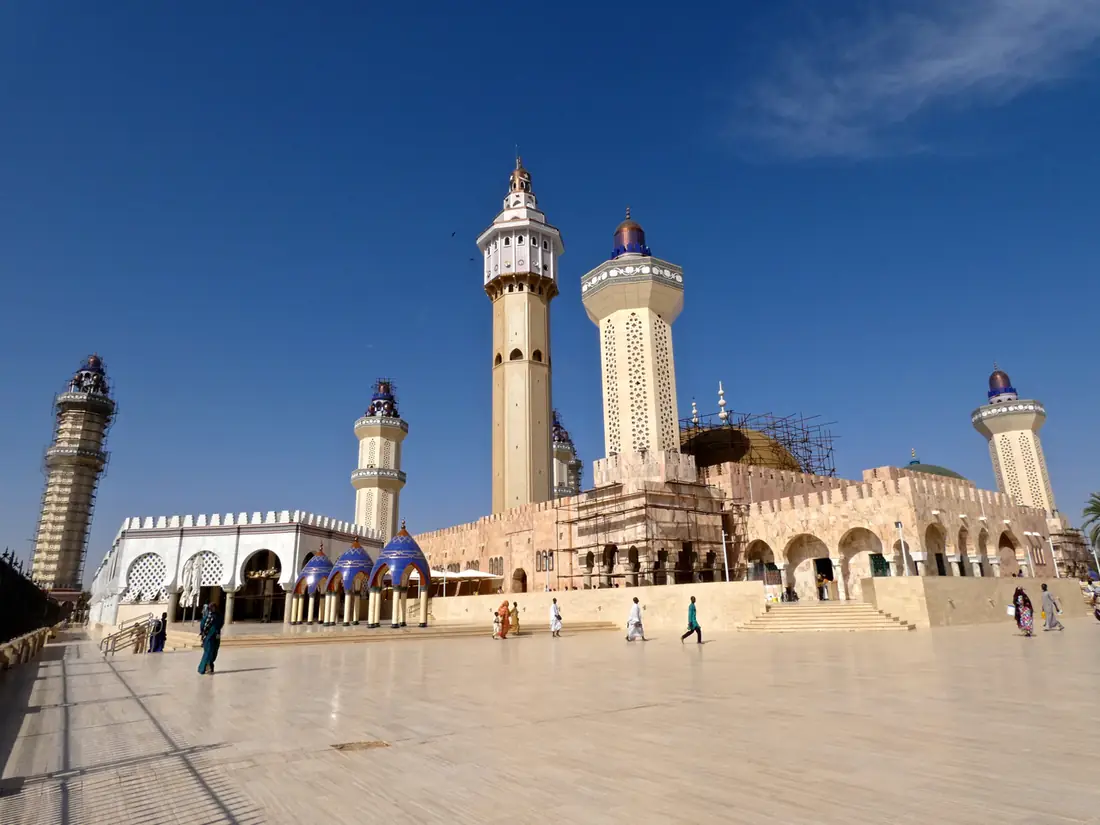
Touba transforms into a spiritual epicenter during the Grand Magal, as pilgrims flood the streets, mosques, and markets in a vibrant display of devotion and community. The city’s Great Mosque, with its towering minarets and vast courtyards, becomes the focal point of the pilgrimage, where prayers, sermons, and rituals unfold in an atmosphere of reverence and celebration. The pulse of the city quickens as traditional music and chants fill the air, creating a powerful sensory experience that draws participants closer to the divine; a celebration of the collective Mouride identity. Pilgrims spend days in prayer, reflection, and celebration of their journey, culminating in a series of grand processions, communal meals, and rituals that reinforce the bonds of brotherhood and faith.
What sets the Grand Magal apart from other pilgrimages is the unique way it blends deep religious significance with a vibrant cultural celebration. Beyond the sacred rituals, the event is imbued with the spirit of TERANGA, Senegalese hospitality where pilgrims are welcomed into homes and share meals of dibi (roast lamb) and Café Touba, a spiced coffee synonymous with the Mouride tradition. This hospitality fosters a sense of community and connection, enriching the spiritual experience with cultural exchange and shared meals.
The Grand Magal is more than just a religious journey; it is a living testament to the resilience, faith, and unity of the Mouride Brotherhood. For those who make the pilgrimage to Touba each year, it is an affirmation of their shared identity and a chance to carry the teachings of Amadou Bamba forward into the future, ensuring that his legacy endures across generations and borders.
The Olojo Festival at Ile-Ife, Nigeria
In the heart of West Africa, the ancient city of Ile-Ife in Nigeria comes alive each year with the vibrant rhythms and sacred rituals of the Olojo Festival, a journey deep into the soul of Yoruba culture. For those who seek to understand the spiritual and cultural heritage of this remarkable people, this pilgrimage offers an unparalleled immersion into a world where myth and history converge.
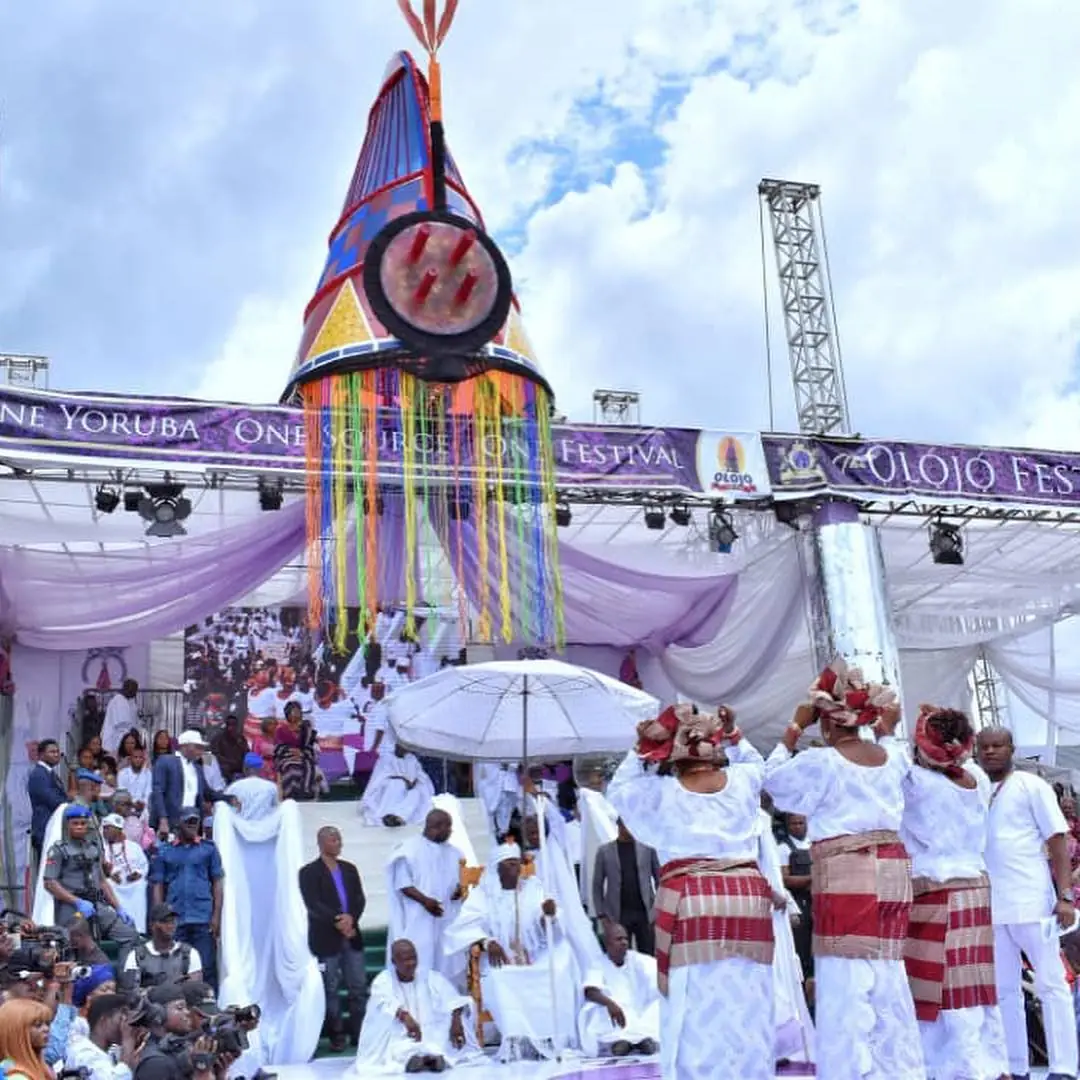
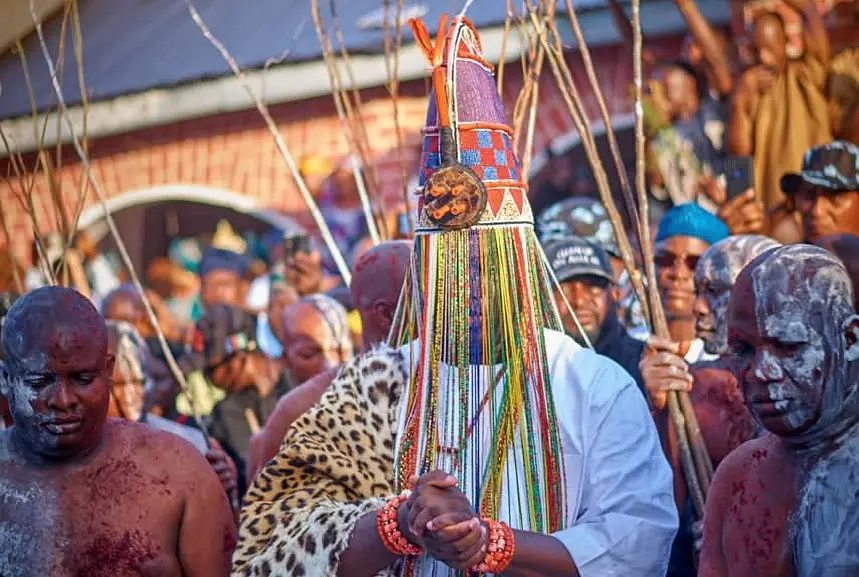
This festival is a commemoration of the Yoruba creation story, where time and space are believed to have emerged from the hands of Oduduwa, the revered progenitor of the Yoruba race. Pilgrims from around the world are drawn to this sacred moment, where ancient beliefs are woven into the modern world, allowing them to reconnect with the enduring spirits that shape their identity. Central to this celebration is the Ooni of Ife, the spiritual leader who serves as a living conduit between the people and the divine. His presence at the heart of the festival’s sacred rites is believed to bless the land with peace and prosperity, infusing the gathering with a sense of mystical reverence.
To decide the date for the festival each year, the Ooni of Ife, the revered traditional ruler and spiritual leader of the Yoruba people, consults with diviners and spiritual advisors to select the most auspicious time for the celebration. The chosen date is believed to align with powerful cosmic and ancestral forces, ensuring that the festival occurs at a moment when the blessings of peace, prosperity, and divine favor can best be channeled to the people. This sacred process highlights the Ooni's role as both a temporal and spiritual guide, deepening the festival's mystical significance and its connection to the Yoruba's enduring traditions. One of the most anticipated moments of the festival is the lighting of the sacred lamp, known as Olojomerindinlogun, a powerful symbol of renewal and spiritual connection. As the flame flickers to life, it bridges the temporal world with the divine, serving as a link between the revered Ooni of Ife and the cosmic forces believed to shape the destiny of the Yoruba people.
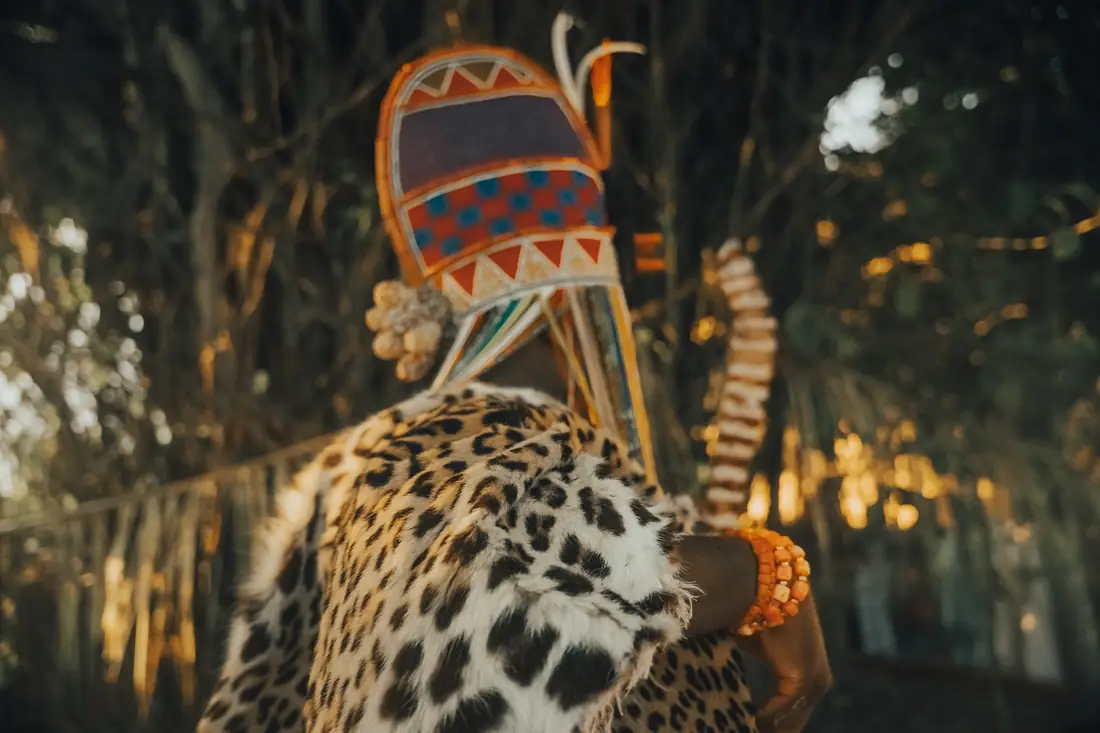
The Olojo Festival comes alive with elaborate masquerades, where participants don vibrant costumes that showcase the intricate artistry of Yoruba craftsmanship. These colorful displays turn the festival into a visual spectacle, but beyond the pageantry, the festival is deeply rooted in community bonds. It unites people from different backgrounds through a shared heritage, as elders and youth exchange stories, wisdom, and laughter, reinforcing the interconnectedness of all who partake. The festival is also a culinary celebration, with traditional Yoruba dishes in abundance, reminding everyone of the richness of their culture and the importance of communal feasting. Local artisans shine as their creations, beadwork, textiles, and sculptures are proudly showcased. These works reflect Yoruba identity and history, giving artisans a platform to preserve their traditions while thriving in a modern world.
Attending the Olojo Festival is more than just witnessing a cultural event; it’s stepping into the heart of a people’s identity. It’s an experience that fuses spiritual ritual, cultural performance, artistic expression, and community spirit into a profound celebration of Yoruba heritage. This festival offers a living testament to the enduring legacy of the Yoruba people, inviting the world to join in their timeless traditions.
Church of St. George, Lalibela, Ethiopia
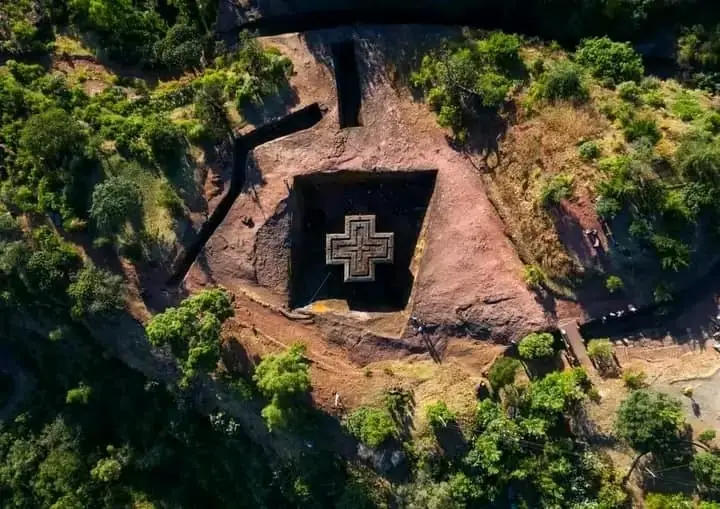
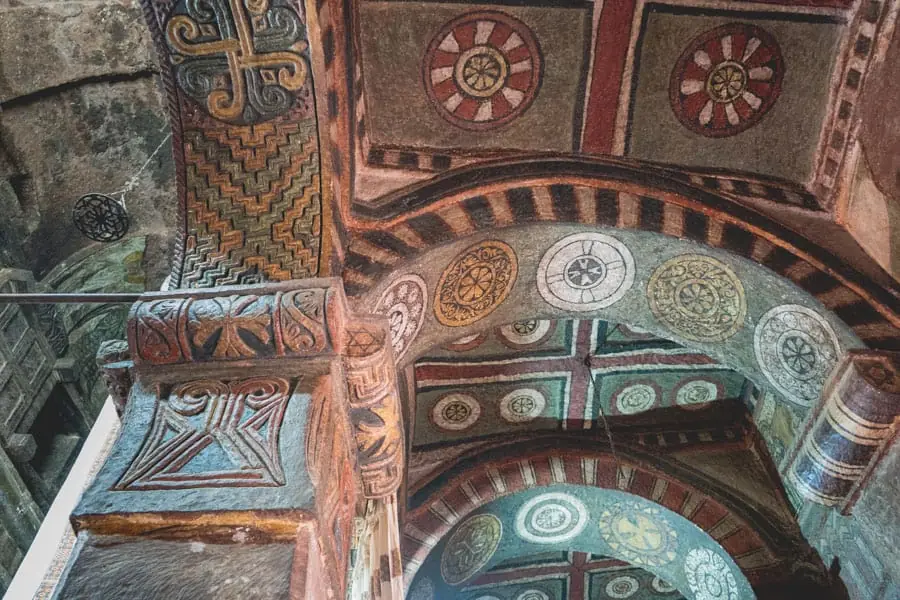
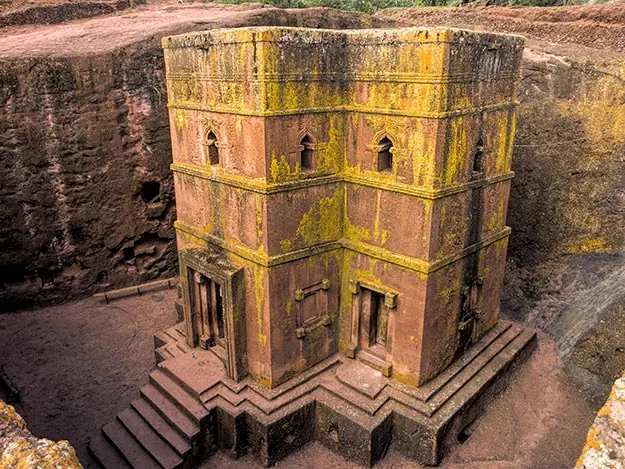
Nestled within the sacred landscape of Lalibela, deep into Ethiopia’s rugged highlands, the Church of St. George, or Bete Giyorgis, stands as a striking testament to human devotion. This iconic rock-hewn church is one of eleven that form a labyrinthine complex, crafted to create a spiritual refuge, an Ethiopian “New Jerusalem.” Commissioned by King Gebre Mesqel Lalibela of the Zagwe dynasty in the late 12th or early 13th century, these churches were designed to offer Christian pilgrims an alternative to Jerusalem. According to local legend, King Lalibela’s divine vision inspired the construction of this remarkable church, which was blessed by angels upon its completion. Myth has it that St. George himself visited the site, leaving the hoofprints of his white stallion etched into the surrounding rock, further deepening the church’s mystical significance.
The Church of St. George is part of the UNESCO World Heritage Site of Lalibela’s rock-hewn churches, recognized not only for their spiritual significance but also for their extraordinary architectural achievement. As much a place of pilgrimage as it is a historical monument, Bete Giyorgis holds deep spiritual meaning for Ethiopian Orthodox Christians. The church comes alive during important religious festivals like Timket (Epiphany) and Genna (Christmas), when thousands of worshippers gather in its sunken courtyard, their chants and prayers echoing against the stone walls.
Visiting the Church of St. George is an experience that transcends time. As you descend into the rock through the winding trenches, the sense of wonder grows with each step. Upon reaching the church, you are struck by its beauty and its solemnity, its sacred aura still palpable after centuries of prayer and devotion.
The experience of Bete Giyorgis offers more than just a glimpse into Ethiopia’s rich past; it is a living monument where ancient traditions continue to flourish, offering Pilgrims a rare opportunity to witness the spiritual heart of Ethiopian Orthodox Christianity in one of the world’s most remarkable sacred spaces.
Here are some of the most deeply spiritual events that should not be missed
Ethiopian Christmas (Genna) – January 7
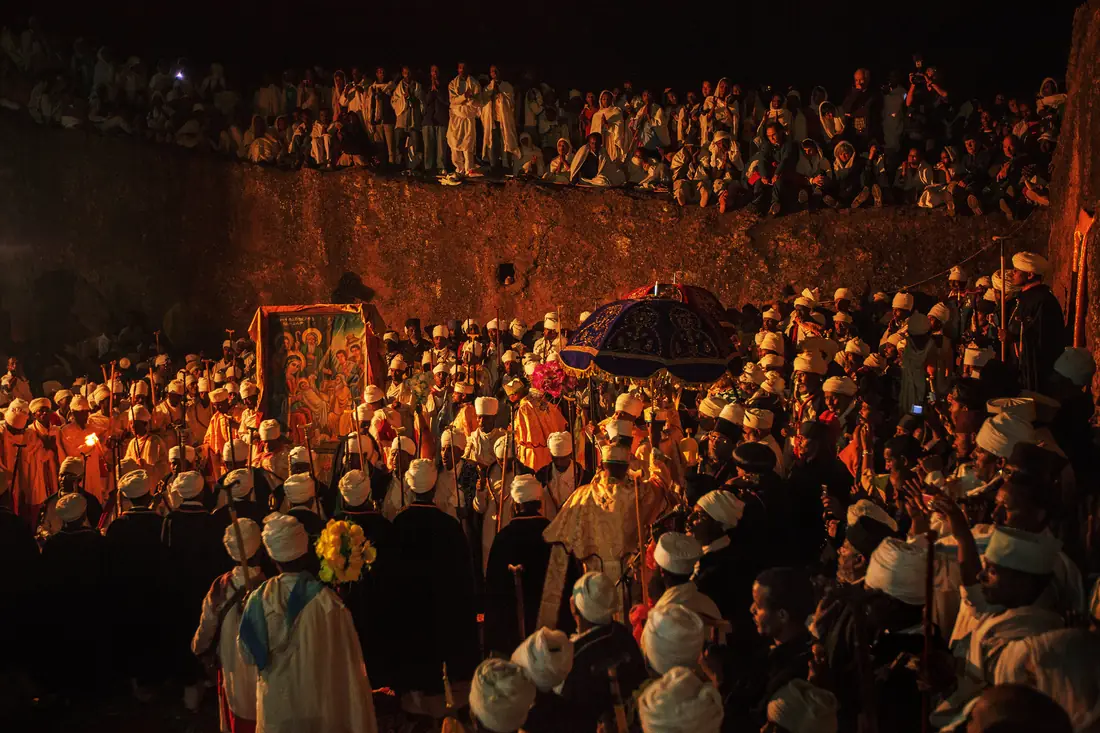
Genna celebrates the birth of Jesus Christ and is a cornerstone of Ethiopian Orthodox Christian worship. Lalibela becomes a focal point during this time as pilgrims gather to observe the sacred holiday. The festivities begin two days prior with a candlelit vigil, leading up to the climactic church services on Christmas morning. The ancient rock-hewn churches of Lalibela serve as the heart of the celebration, where thousands of worshippers fill the courtyards, creating a vibrant atmosphere steeped in devotion and joy.
Timket (Feast of Epiphany) – January 18 -19
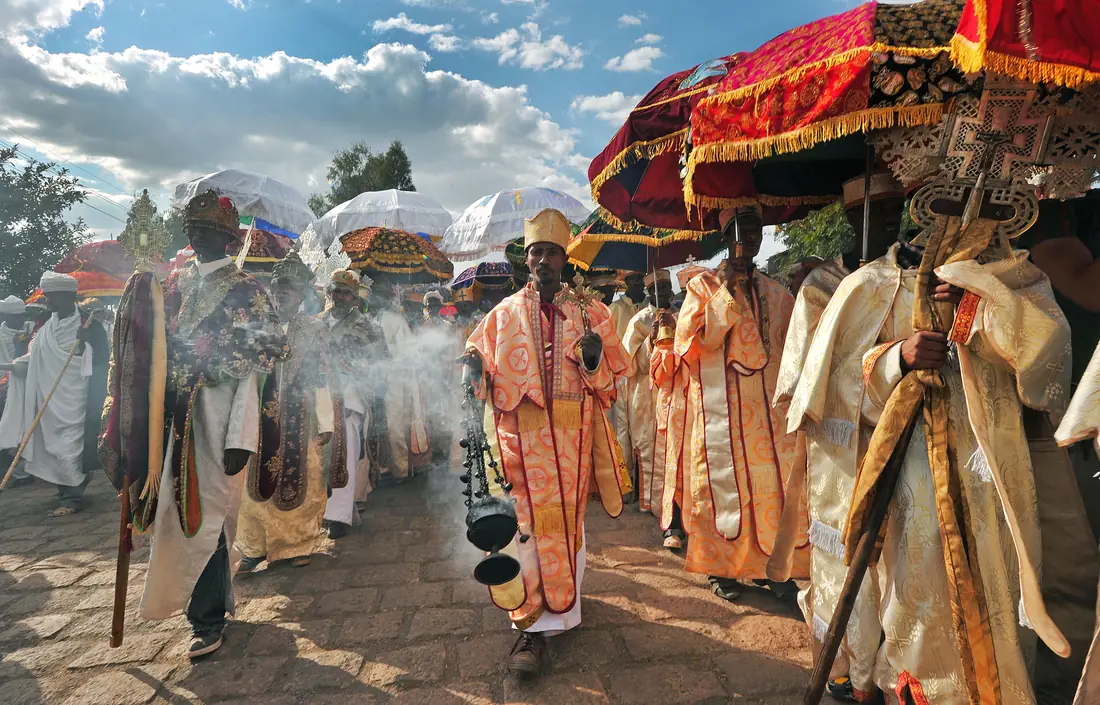
Timket commemorates the baptism of Jesus Christ in the Jordan River and stands as one of the most important religious events for Ethiopian Orthodox Christians. Every year, thousands of pilgrims journey to Lalibela to partake in the sacred festivities. This celebration is a feast for the senses, with colorful processions, rhythmic chants, and fervent prayers filling the air. Central to the festival is the blessing of water, symbolizing the baptism of Christ. A “Tabot,” a sacred replica of the Ark of the Covenant, is carried in procession to a nearby water source, where it is blessed by priests, and participants joyfully renew their own spiritual baptisms.
Saint George Festival – Late January
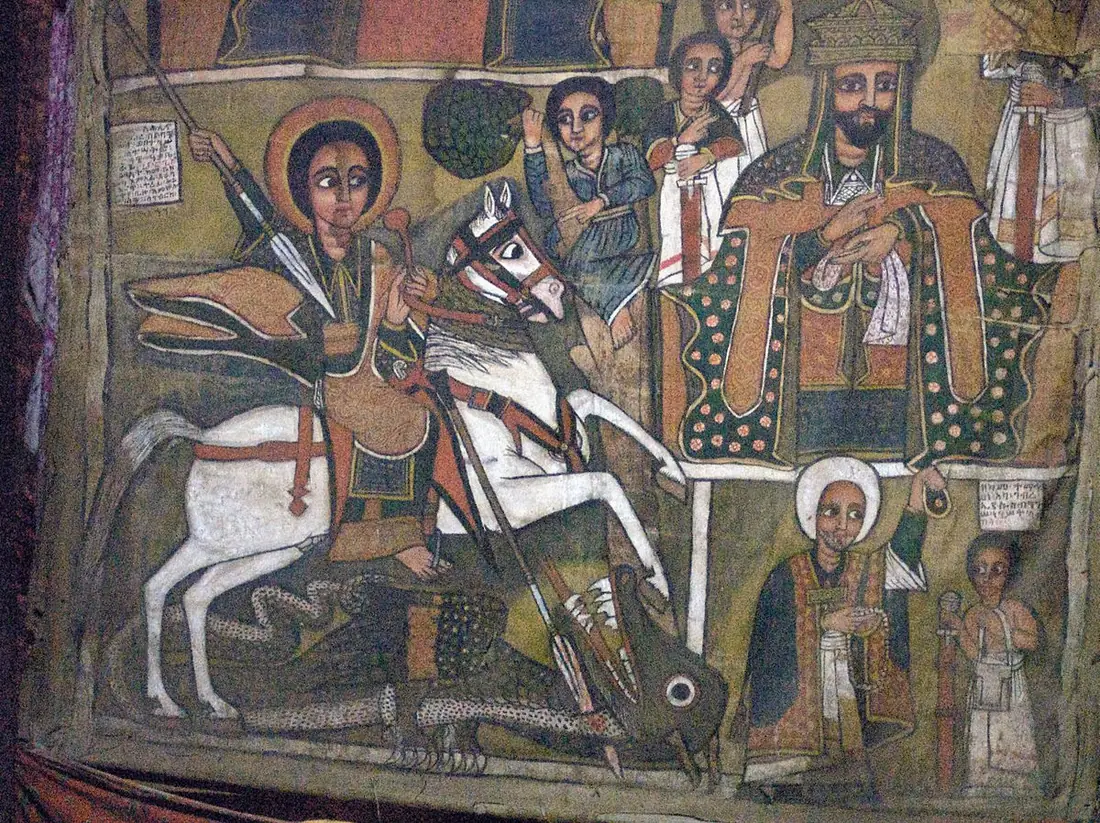
The Saint George Festival in Lalibela, celebrated on January 26 in the Ethiopian calendar, which aligns with late January in the Gregorian calendar
Honoring Saint George, one of Ethiopia’s most venerated saints, this festival is steeped in tradition and local reverence. Special church services dedicated to Saint George are held, accompanied by lively processions that draw locals and pilgrims alike to the rock-hewn Church of St. George. The energy of the festival reflects the deep connection between the community and their patron saint.
Lideta Mariam Festival – May, of the Ethiopian calendar
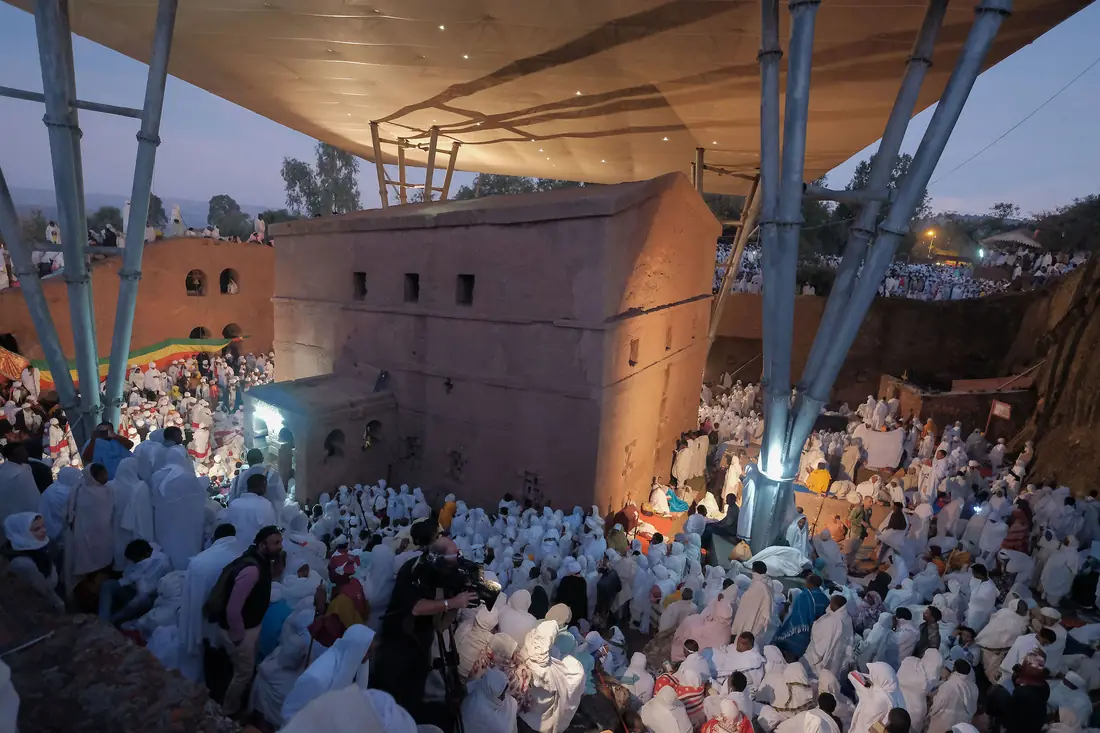
The date can vary each year, but it typically falls on the 1st of May in the Gregorian calendar
This festival celebrates Saint Mary, a beloved figure in Ethiopian Orthodox Christianity. Prayers and gatherings mark the occasion, with worshippers flocking to churches dedicated to Mary. The festival offers a quieter, yet equally reverent, observance compared to the larger celebrations of the year, creating a time for reflection and connection.
Mikael Festival – June 19th in the Ethiopian calendar
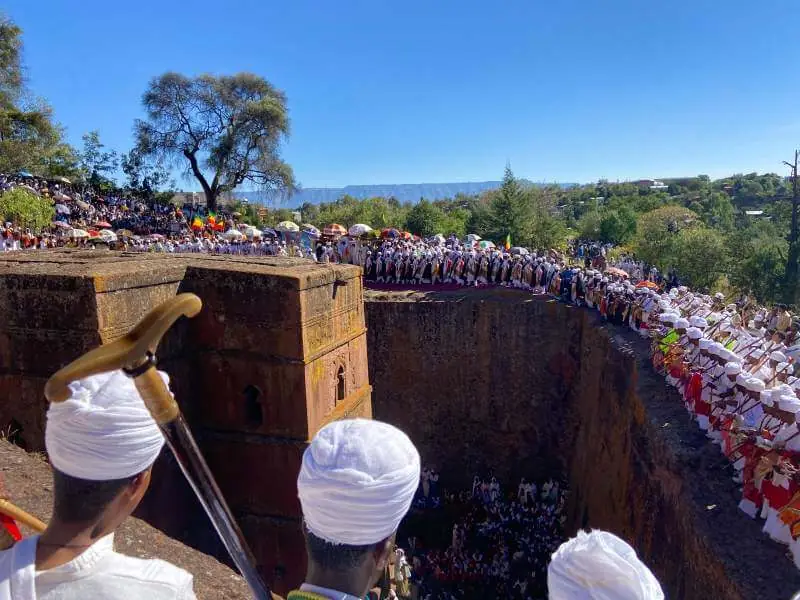
Which corresponds to June 26th in the Gregorian calendar
The Mikael Festival is held in honor of Archangel Michael, another significant figure in the Ethiopian Orthodox faith. Pilgrims and worshippers come together for mass and communal celebrations in Lalibela’s churches, with prayers, hymns, and feasting serving as key elements of the festival.
El Ghiba Synagogue, Tunisia
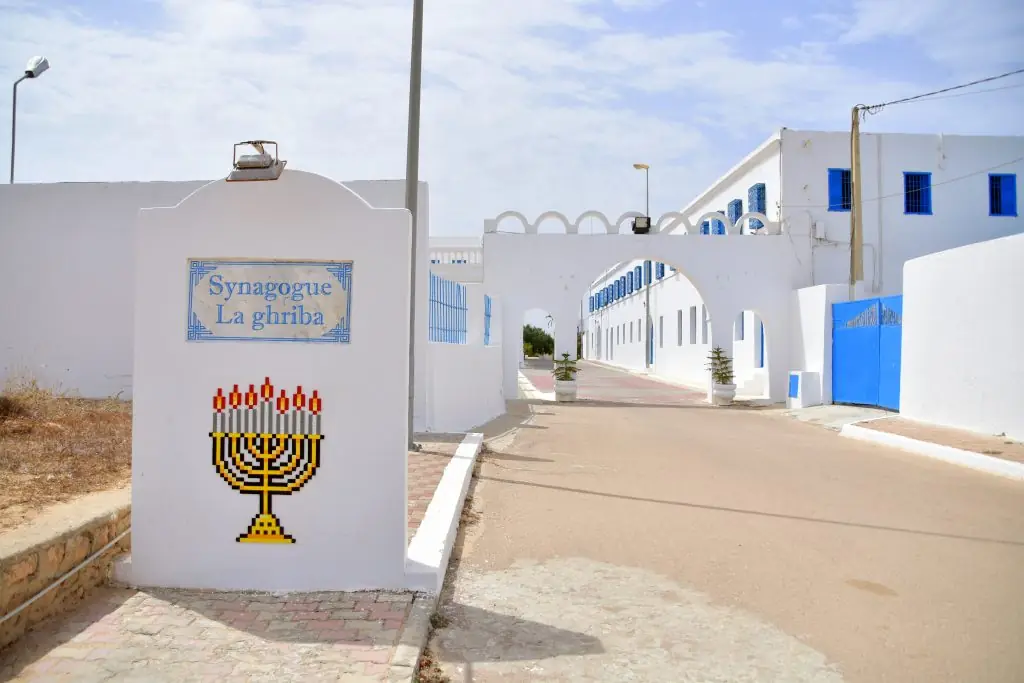
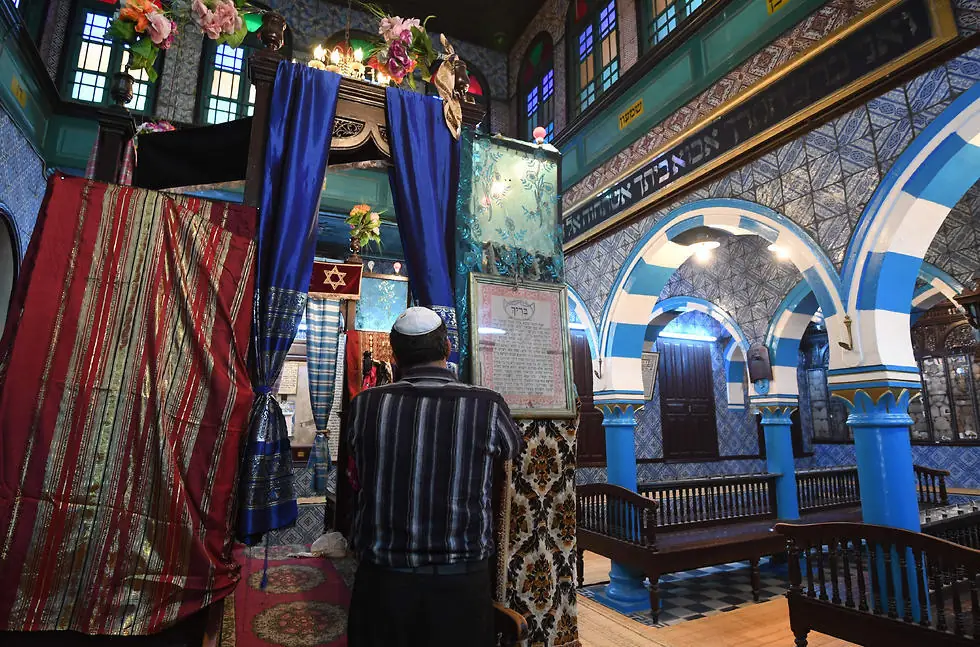
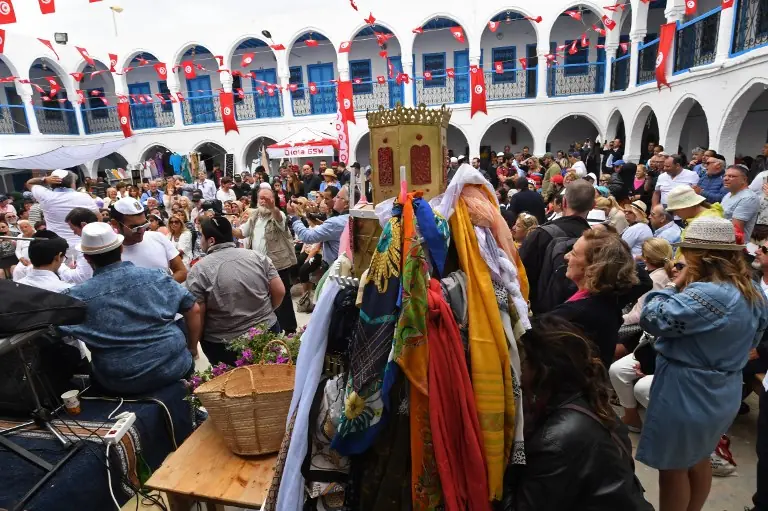
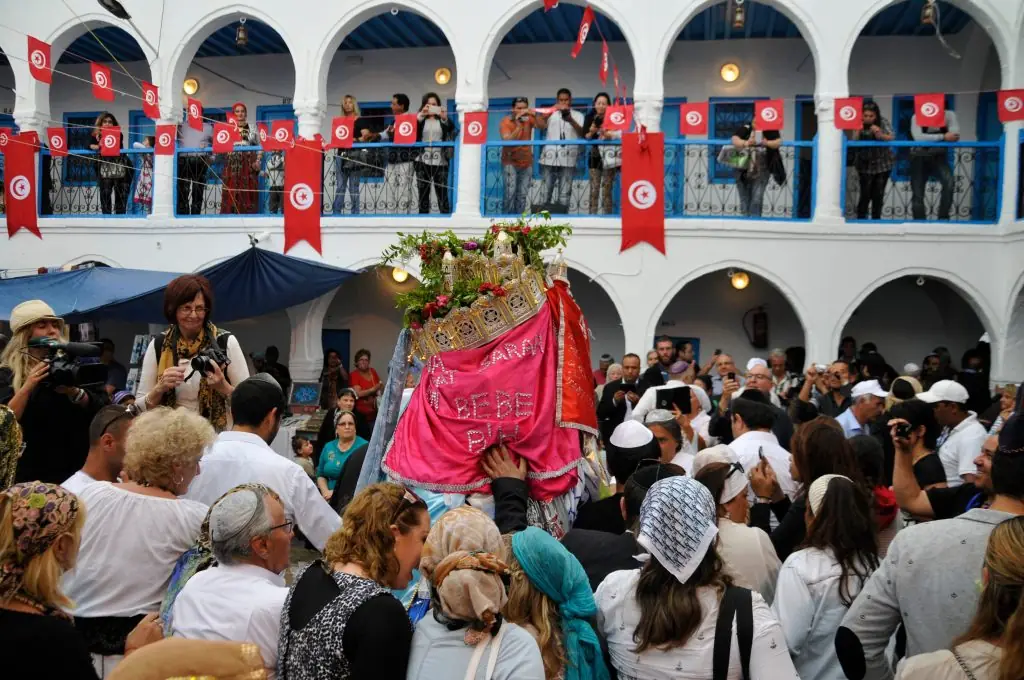
The El Ghriba Synagogue, perched on the sun-soaked island of Djerba, Tunisia, is a sanctuary of history, faith, and resilience that draws Jewish pilgrims from across the globe each year. On the 33rd day of the Counting of the Omer, typically in mid-May, thousands of pilgrims converge on this ancient site as part of the Lag B’Omer celebrations.
El Ghriba is revered as one of the oldest synagogues in Africa, with legends tracing its origins back to the 6th century BCE. It is said that within its walls lie fragments of Solomon’s Temple, endowing the synagogue with deep historical and spiritual significance. For many Jewish pilgrims, El Ghriba represents not only a place of worship but a living connection to the ancient past, an enduring symbol of their cultural and religious heritage.
One of the most remarkable aspects of the pilgrimage to El Ghriba is its role as a beacon of interfaith harmony. The island of Djerba is home to both Jewish and Muslim communities, who come together during the pilgrimage in a rare and inspiring display of peaceful coexistence. Muslim neighbors often participate in the rituals, creating an atmosphere of mutual respect and goodwill.
The pilgrimage to El Ghriba Synagogue is far more than a religious event; it is a vibrant celebration of history, faith, and identity. It exemplifies the potential for interfaith harmony, connects individuals to their cultural roots, supports local communities, and symbolizes resilience in the face of adversity. In many ways, it is a reflection of the enduring power of belief, community, and the human spirit, radiating from the ancient stones of one of Africa’s oldest synagogues into the hearts of all who journey there.
Ouidah, Benin
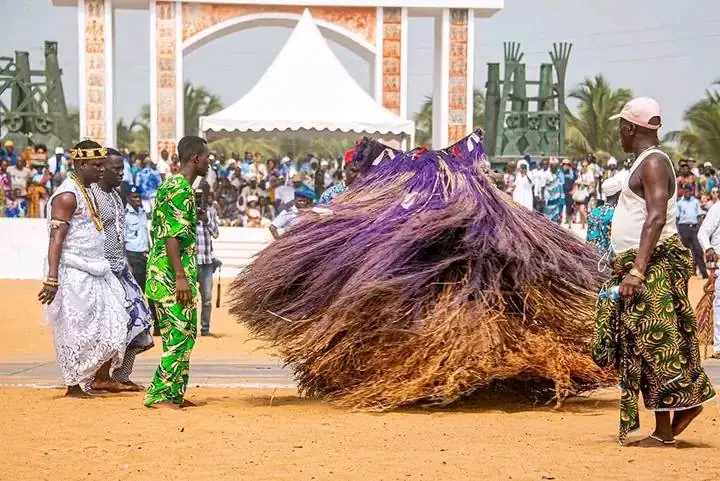
Each year on the 10th of January, Ouidah, Benin, bursts into life with the Annual Vodun (Voodoo) Festival, a vibrant celebration of one of Africa’s most enduring spiritual traditions. Since its recognition as a national holiday in 1996, this event has become both a cultural showcase and a deeply spiritual gathering, honoring the Vodun religion, a faith deeply rooted in Benin’s history and identity. Vodun, with its rich pantheon of deities and spirits linked to nature and ancestors, has shaped the spiritual landscape of Benin for centuries. The festival offers a rare glimpse into these traditions, bringing rituals and ceremonies to the forefront. Once practiced discreetly, Vodun is now celebrated openly as an essential part of the nation’s heritage, drawing believers, historians, and travelers from around the world to experience its mystical and cultural significance firsthand.
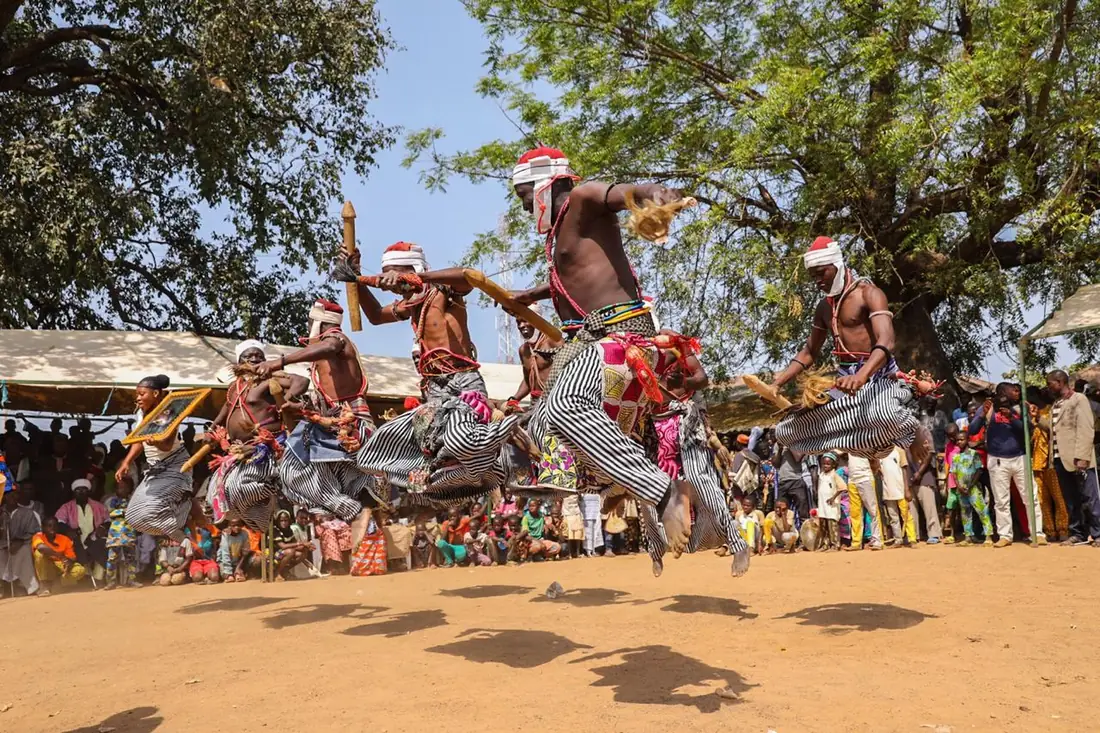
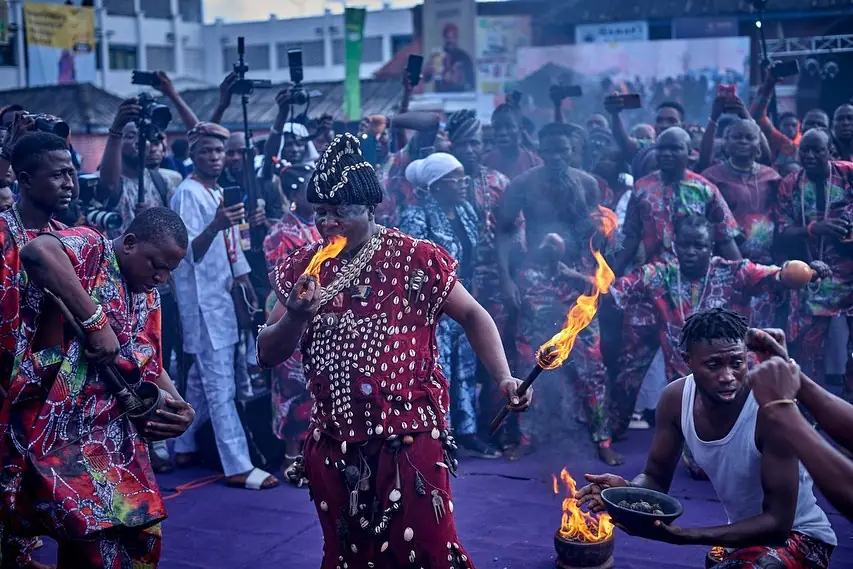
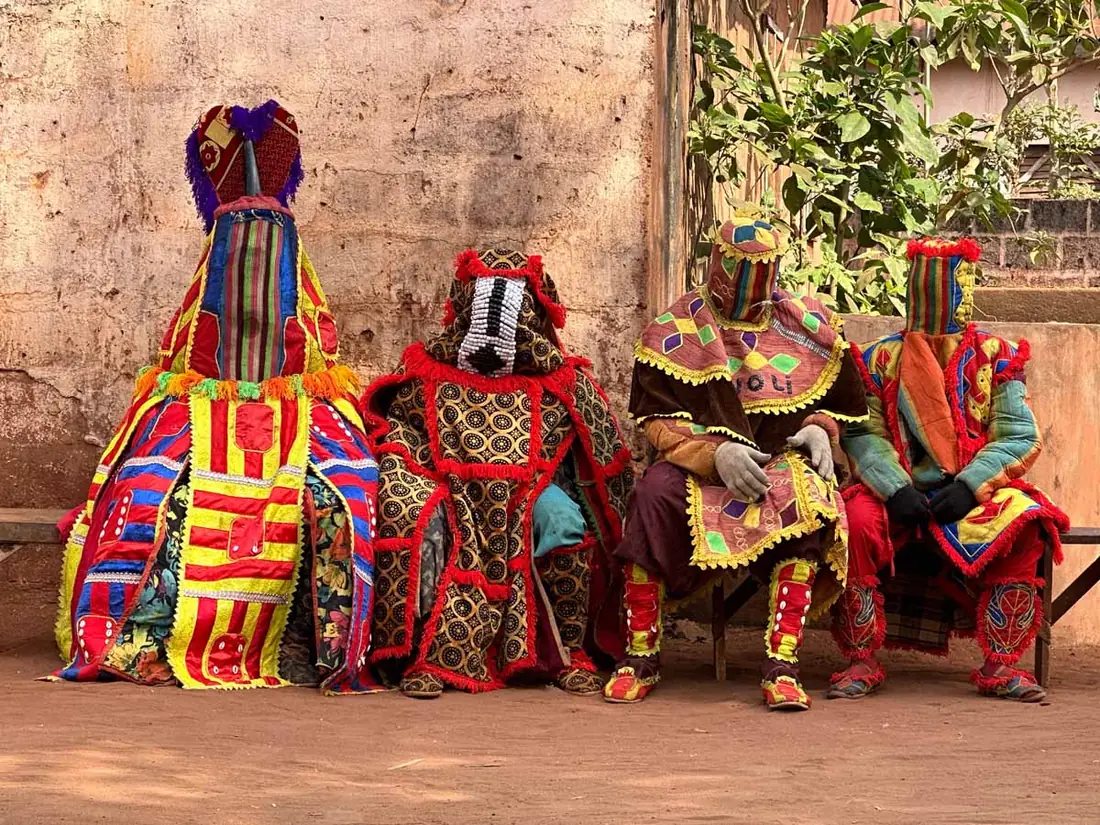
At the heart of the festival, is its array of ceremonies which are as visually stunning as they are spiritually profound. Traditional dances, rhythmic drumming, and vibrant music fill the air as participants, dressed in elaborate attire representing various deities and spirits, move through sacred spaces. Ritual offerings such as food, drink, and symbolic items are made to the spirits, fostering a connection between the earthly and the divine. Among the most captivating sights are the lively processions featuring Zangbeto, Gelede, and Egun masks, each representing unique cultural narratives. These processions, with their dramatic displays of costume and movement, serve as expressions of spiritual devotion and as living embodiments of Benin’s artistic traditions.
Ouidah’s role as a major port in the transatlantic slave trade adds a poignant layer to the festival. Alongside the celebration of Vodun, the festival also serves as a day of remembrance for the millions of Africans who were forcibly taken from their homeland. This reflection intertwines with the festival’s rituals, as participants honor the legacy of their ancestors while reaffirming the cultural strength that has persisted in the face of historical trauma.
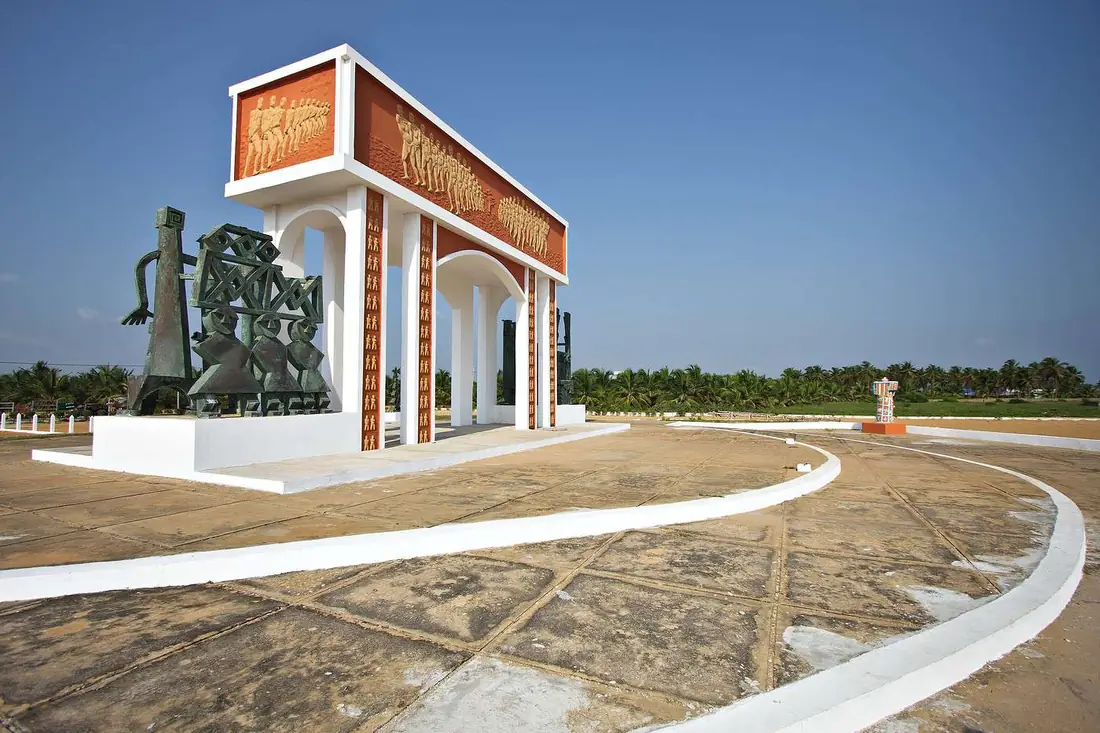
The Route des Esclaves is a key historical landmark in Ouidah, stretching from the city’s slave auction square to the coastline. Along this route, visitors encounter important monuments, including the Tree of Forgetfulness, where enslaved individuals were forced to walk in circles to erase memories of their homeland. This journey culminates at the Door of No Return, a solemn monument that serves as both a memorial and a powerful symbol of loss, resistance, and remembrance. Traversing this path allows visitors to connect with the history of the transatlantic slave trade on a deeply personal level.
At the heart of Ouidah’s historical narrative is the Ouidah Museum of History, housed in a former Portuguese fort. This museum serves as a key resource for understanding the city’s complex past, with exhibits that delve into the history of the slave trade, Vodun spirituality, and the cultural exchanges that occurred between Africa and the New World. For those seeking to deepen their knowledge of Ouidah’s historical and cultural significance, the museum offers a well-rounded and deeply informative experience.
Amid the weight of history, Ouidah’s natural landscapes provide a sense of serenity and reflection. The city’s coastline along the Atlantic Ocean offers beautiful beaches where visitors can unwind and contemplate the significance of their journey. Nearby, the Sacred Forest of Kpassè holds spiritual importance within Vodun beliefs, providing a peaceful yet sacred space for contemplation. Visitors can also explore sacred sites like the Temple of Pythons, where royal pythons are revered as protectors and symbols of power, shedding light on the rich spiritual traditions that continue to thrive.
A pilgrimage to Ouidah is far more than just a trip, it is an opportunity to engage with some of the most significant historical and cultural narratives in the African diaspora. Whether reflecting on the legacy of the slave trade, participating in vibrant cultural rituals, or exploring the spiritual depths of Vodun, this journey has the potential to be profoundly transformative, fostering a deeper understanding of both personal and collective histories, and offering a chance to connect with the resilience and identity of a community that continues to thrive.
Great Mosque of Djenné, Mali
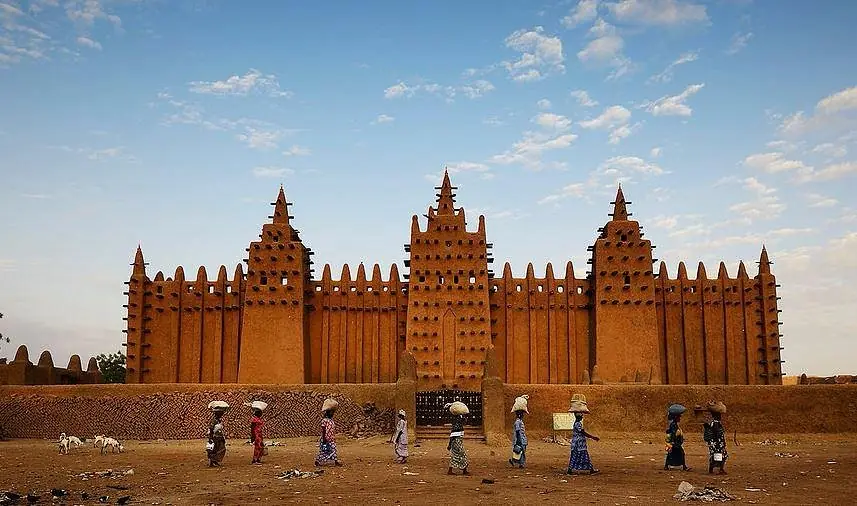
The Great Mosque of Djenné has long been a beacon of Islamic worship and education in West Africa. It draws pilgrims and scholars from across the region, serving as a hub for religious study and spiritual practice. For centuries, it has been a key center for Islamic learning, shaping the cultural and religious life of Djenné and beyond.
A pilgrimage to the Great Mosque of Djenné in Mali is a journey into the heart of West Africa's rich history, culture, and spirituality. The roots of the Great Mosque stretch back to the 13th century when Sultan Koi Konboro, after converting to Islam, established the mosque. It stands as a symbol of the spread of Islam in West Africa and the blending of religious and cultural traditions. The mosque is a living testament to Djenné’s historic role as a center of trade, learning, and Islamic influence.
For many, a visit to the Great Mosque is a deeply spiritual experience. Stepping into this sacred space, with its centuries of history and faith, offers a moment of reflection and connection to the broader Islamic world. The atmosphere during prayer times is both peaceful and powerful, creating a sense of shared spirituality that resonates deeply with pilgrims.
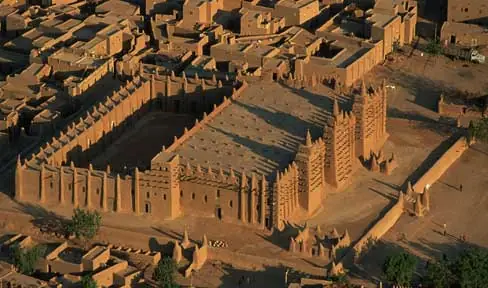
Renowned as the largest mud-brick structure in the world, the Great Mosque is an architectural wonder of the Sudano-Sahelian style. Its towering walls, constructed from sun-baked mud, are both functional and visually stunning, offering natural insulation and ventilation that help the building withstand the desert climate. This remarkable design is a tribute to the ingenuity of local builders and the enduring power of traditional techniques. In 1988, the Great Mosque and the surrounding city of Djenné were recognized as a UNESCO World Heritage Site, underscoring their global importance. This designation has helped bring attention to the need for preservation efforts while celebrating the mosque as one of the world’s most significant cultural treasures.
The Great Mosque of Djenné in Mali is far more than an architectural wonder, it is a living, breathing cultural and religious center that plays host to significant events throughout the year. These events highlight the deep-rooted traditions and vibrant community spirit that define life in Djenné. Here are some of the key cultural and religious events that make the mosque a focal point of both faith and heritage.
Crépissage de la Grand Mosquée
The Plastering Festival
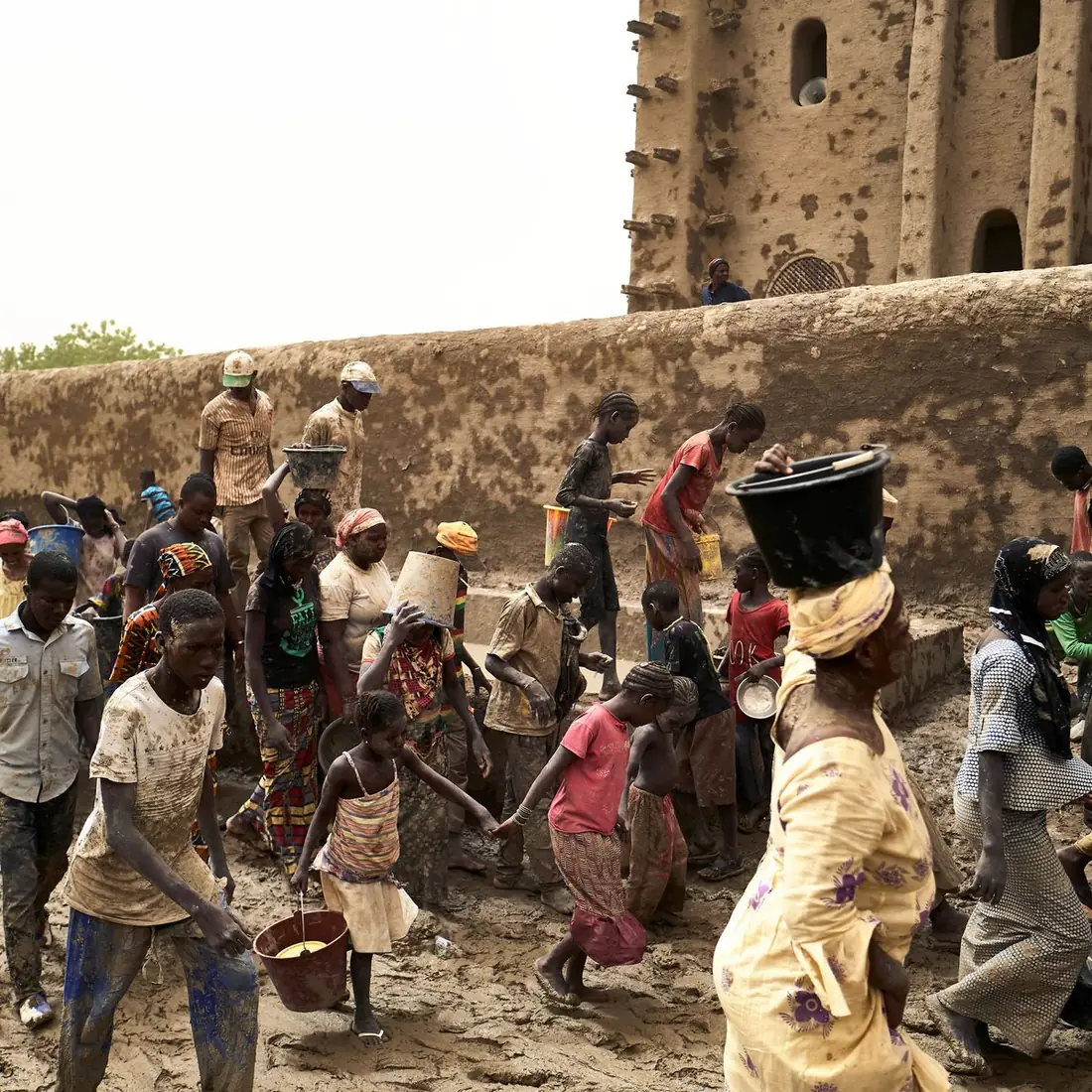
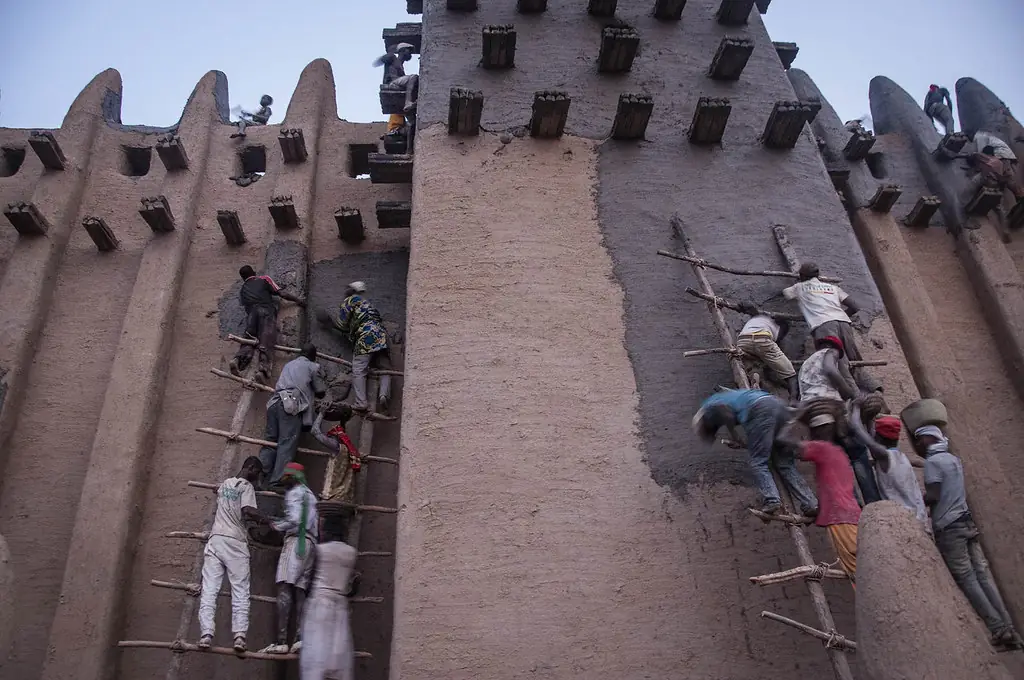
This one day event takes place in April, though the specific date may vary each year. The Crépissage of the Great Mosque of Djenné is one of the most remarkable and vital community events in Mali, a festival that breathes life into the ancient mosque and symbolizes the unity and resilience of the people of Djenné. The Crépissage is a celebration of tradition, cooperation, and cultural pride, where the entire community comes together to restore the mosque’s distinctive mud-brick façade.
The festival is not only about hard work, it is a celebration filled with music, dancing, and camaraderie. Men mix and apply the mud, while women and children help by carrying water and preparing the plaster. The air is filled with the sound of traditional instruments, and the mood is joyous, underscoring the communal spirit that has long sustained Djenné’s people. The Crépissage is also a moment of cultural pride, connecting the people to their history and heritage.
This annual event is a vivid demonstration of the intersection of culture, religion, and community in Mali. It is a time when the people of Djenné renew not only their mosque but also their connections to one another and to their shared history. For visitors, participating in or observing, the Crépissage offers a rare glimpse into the cultural and spiritual lifeblood of Djenné, an experience that highlights the resilience of both the mosque and the community that has maintained it for centuries.
Weekly Friday Prayers
As the largest and most important mosque in the region, the Great Mosque of Djenné serves as a spiritual anchor for the community. Every Friday, worshippers from Djenné and nearby villages gather for congregational prayers, a practice that reinforces the mosque’s central role in the religious life of the region. These weekly gatherings are a powerful expression of faith and community connection.
Islamic Holidays
During the major Islamic holidays of Eid al-Fitr and Eid al-Adha, the Great Mosque becomes a focal point for celebration. Special prayers are held, drawing worshippers from across the area. These festivals, marked by communal prayers, feasts, and gatherings, reflect the mosque’s vital role in the religious rhythms of the community.
In addition to religious ceremonies, the Great Mosque also hosts a variety of cultural events that celebrate the local traditions and Islamic teachings of Djenné. These events often feature storytelling, poetry recitations, and music, providing a platform for the community to express its rich cultural heritage through art and performance.
Visiting the Great Mosque of Djenné during these events offers an opportunity to immerse oneself in the vibrant cultural and spiritual life of the city, and with Djenné’s close proximity to Mopti, just about 76 kilometers away, offers an excellent opportunity to explore the magnificent Dogon region during your visit.