 Login
Our specially curated, tailor-made excursions will be coming soon
For the bucket list!
Allow us to take you on the roads less travelled ………
Tassili N'Ajjer, Algeria
The world’s largest open-air museum
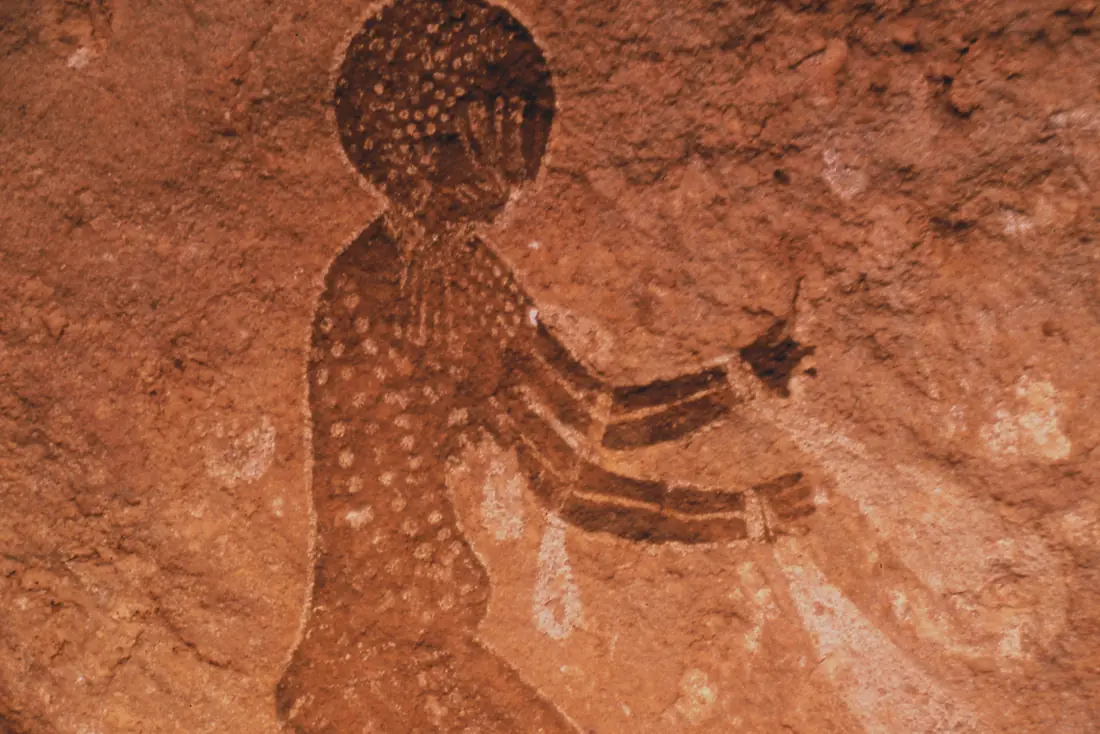
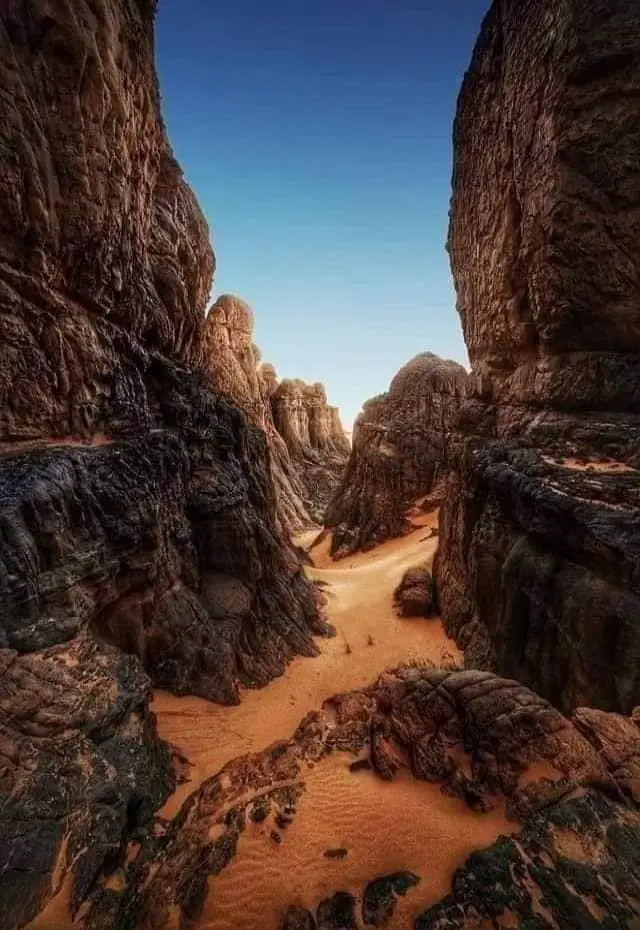
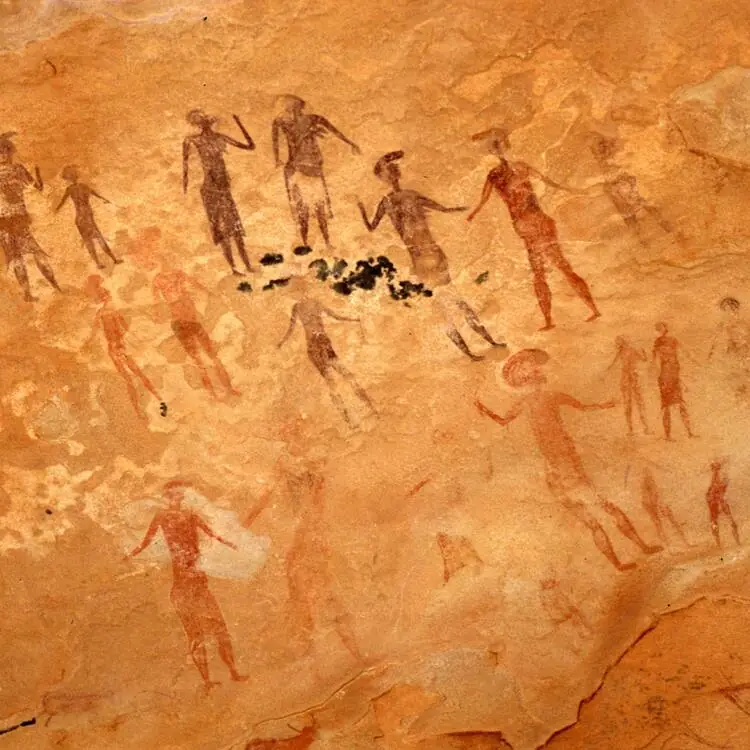
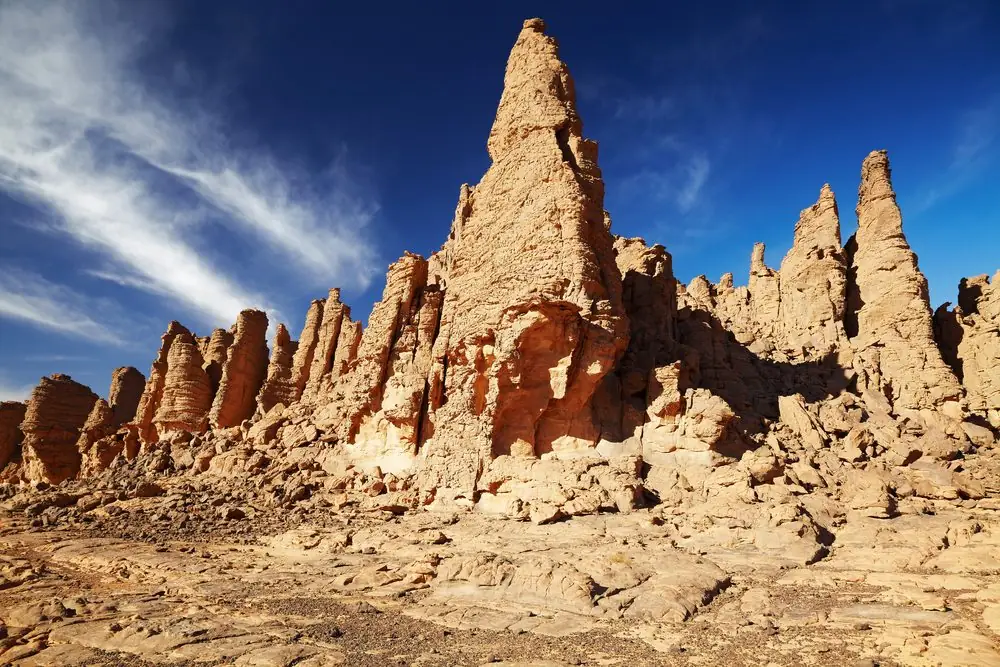
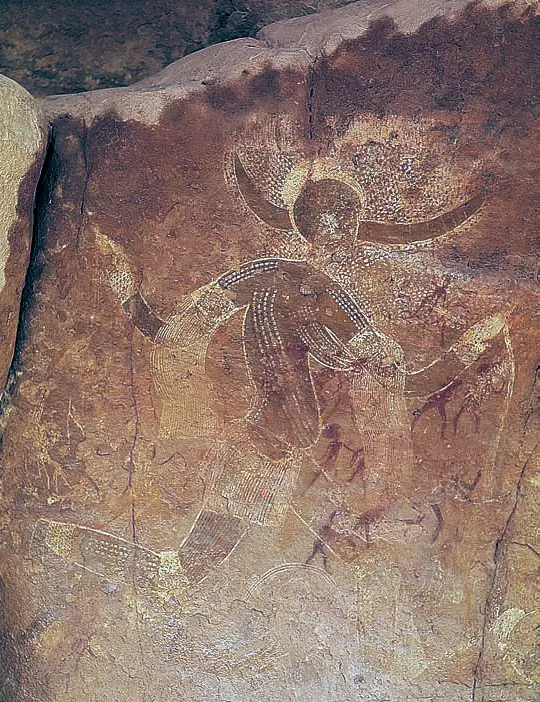
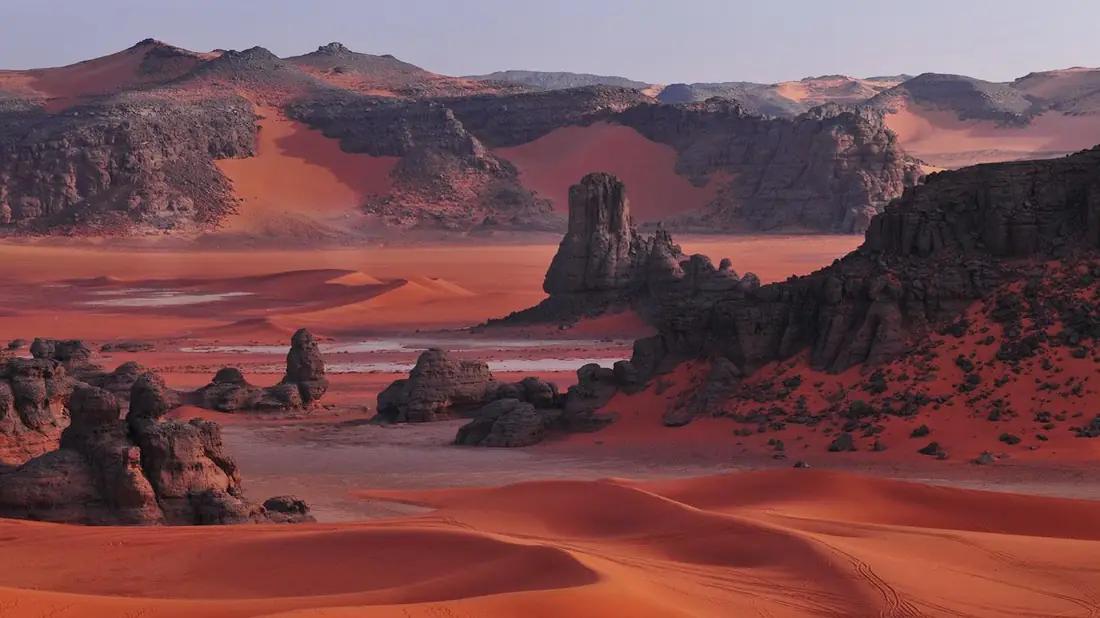
In the heart of the Algerian Sahara lies Tassili N'Ajjer, a vast and mesmerizing desert landscape stretching across 72,000 square kilometers. This UNESCO World Heritage Site is far more than a barren wilderness; it is a living museum, where time is etched into stone. Known as the largest open-air museum, Tassili N'Ajjer is home to one of the world’s most extensive collections of prehistoric rock art. Hidden among its cliffs and caves are over 15,000 engravings and paintings, some dating back as far as 6,000 BC. These ancient artworks offer a rare glimpse into the lives of the people who once roamed this land, and are a remarkable historical record chronicling the evolution of human society and the changing relationship between people and their environment over thousands of years.
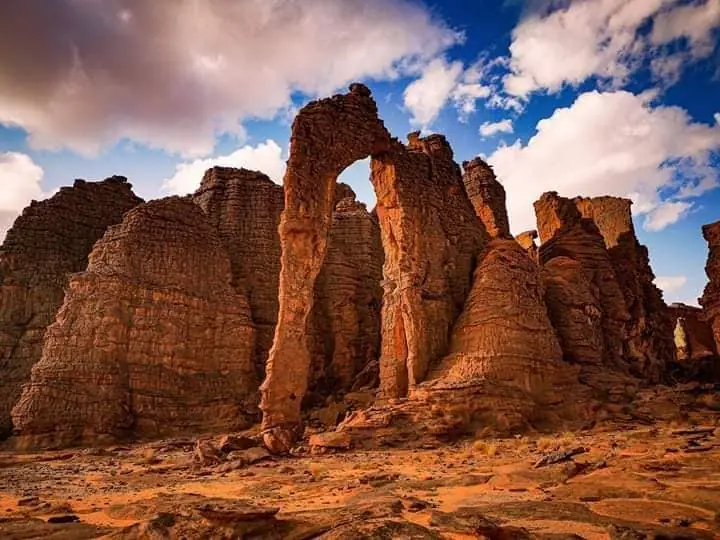
The otherworldly geological formations of the region showcases towering sandstone pinnacles that rise from the earth like giant sentinels and sprawling plateaus that stretch into the horizon. These surfaces, sculpted by millennia of wind and water erosion, are often referred to as "rock forests," resembling an alien landscape pulled from the imagination, hauntingly beautiful and surreal.
Here, the desert itself becomes a storyteller, revealing the rich tapestry of life that once flourished in a place where today only sand and silence remain. Each period of art tells a distinct chapter in human history, offering insight into past civilizations and the natural world that shaped them.
Witness The Great Migration from a hot air balloon, Kenya
This experience is also available in Tanzania
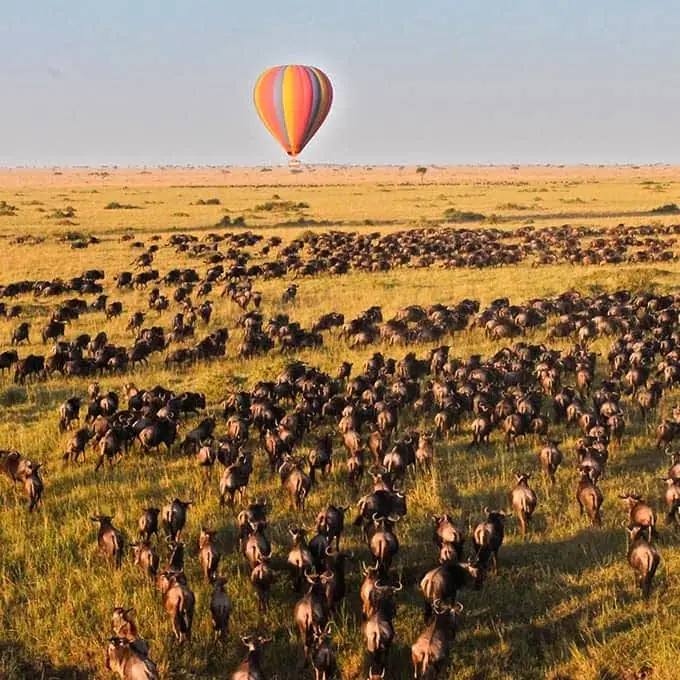
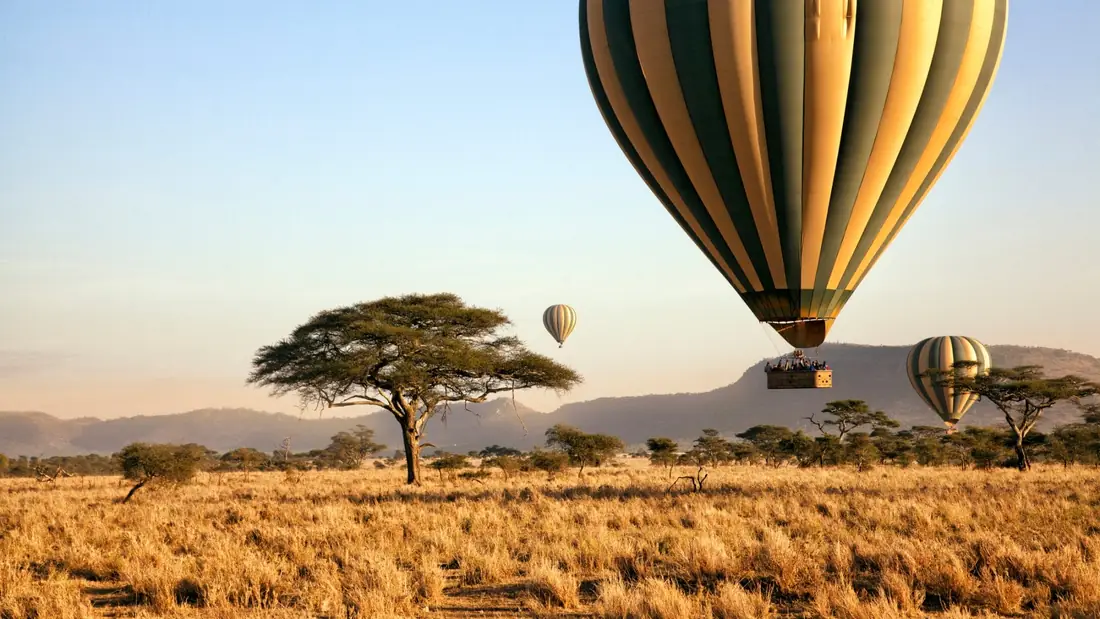
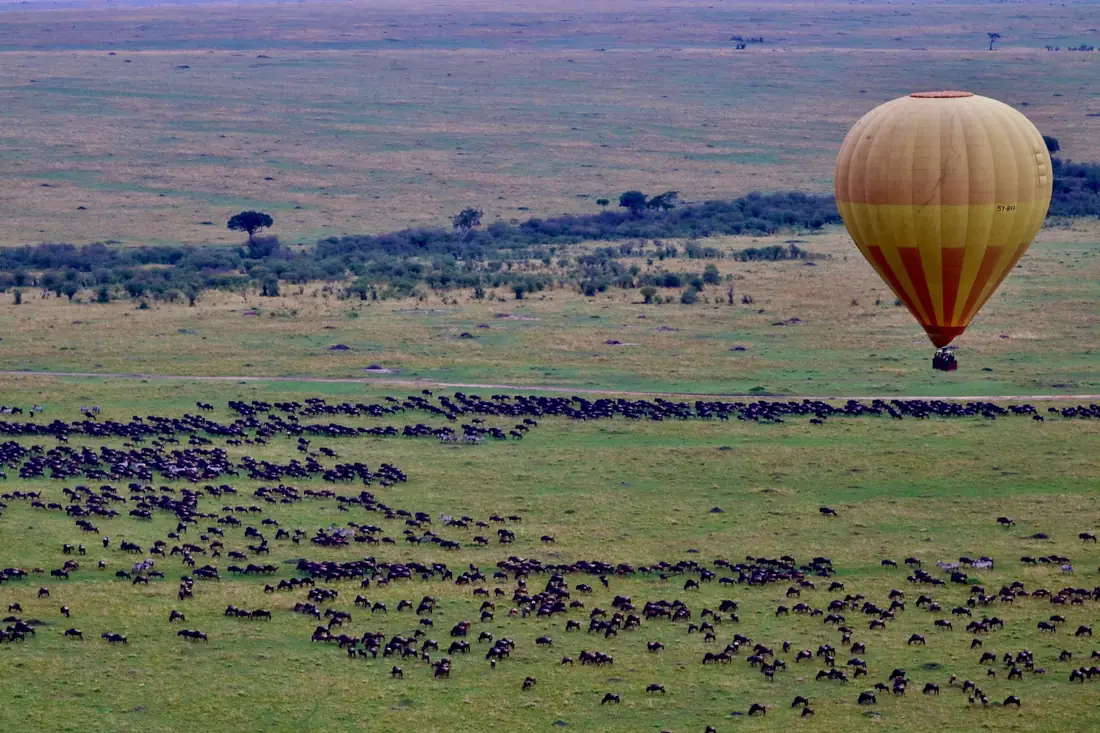
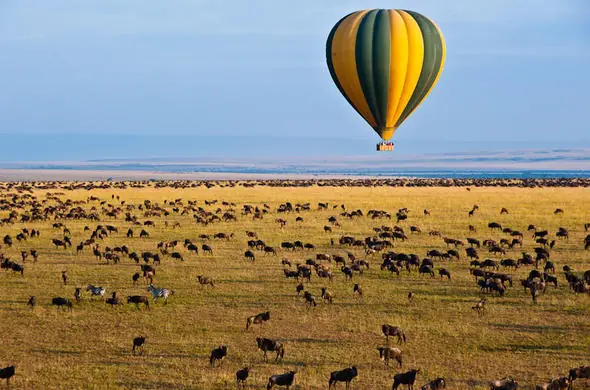
Experiencing the Great Migration from a hot air balloon offers a breathtaking perspective on one of nature's most spectacular events. Drifting high above the golden savannah, the silence is only broken by the occasional roar of a distant lion or the soft rustling of wind against the balloon’s fabric. This is the experience of witnessing the Great Migration from a hot air balloon, an unparalleled adventure that immerses you in one of nature's most dramatic spectacles. Every year, in the Masai Mara National Reserve of Kenya, thousands of wildebeest, zebras, and gazelles journey across the plains, migrating from the Serengeti in Tanzania in search of fresh grazing lands. Seen from the skies, this incredible event unfolds like a moving tapestry of life.
The hot air balloon safari begins at dawn, when the world is bathed in the soft, golden hues of a rising sun. As the balloon lifts gently into the air, the vast landscape of the Mara comes into view, a seemingly endless sea of grasslands stretching toward the horizon. Below, the herds move in great waves, their numbers vast and awe-inspiring. From this vantage point, you can truly appreciate the scale of the migration, and the way the animals weave through the land in their timeless dance of survival.
A hot air balloon safari offers a perspective that few other wildlife experiences can match. Unlike traditional vehicle safaris, where you’re bound by the limits of the terrain, the balloon allows you to glide effortlessly over rivers, forests, and plains. You’ll access parts of the reserve unreachable by road, gaining a unique and intimate view of the animals below. The sight of wildebeest crossing a river or zebras gathering in tight herds takes on new meaning when seen from above, as the patterns and rhythms of the migration unfold before your eyes.
Perhaps the most magical aspect of the balloon safari is its serenity. While game drives can sometimes be noisy and crowded, here in the sky, there’s only the soft whisper of the wind. You float quietly above the landscape, with no sound to disturb the animals below. This peace allows for a deeper connection to the natural world, one that is as calming as it is thrilling. From this height, even the smallest details of the savannah come into sharp focus, offering incredible opportunities for photography.
The mighty Fish River Canyon, Namibia
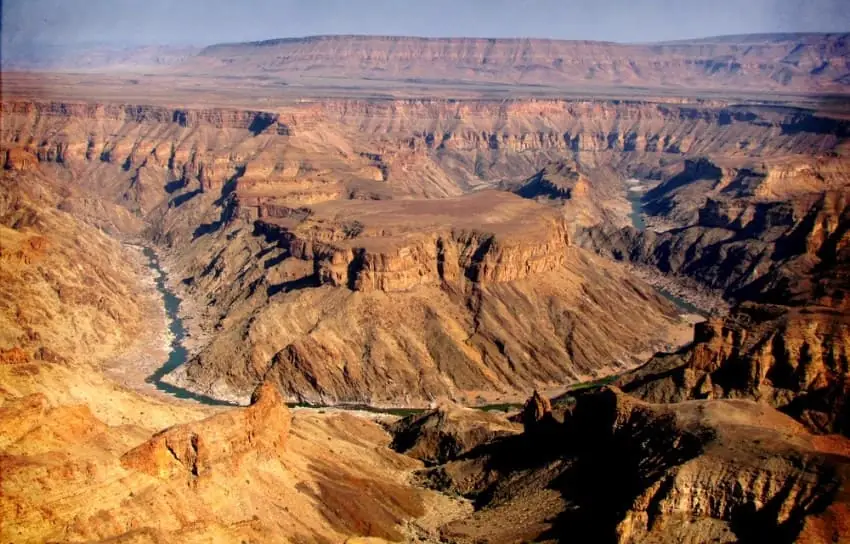
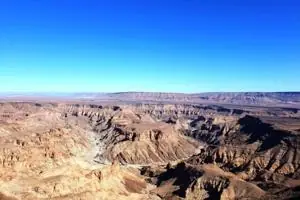
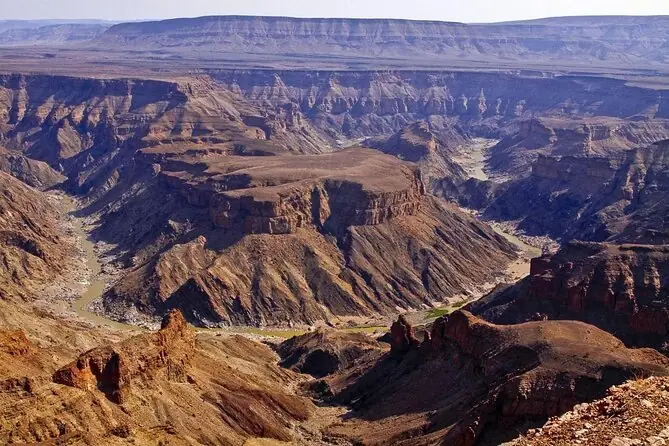
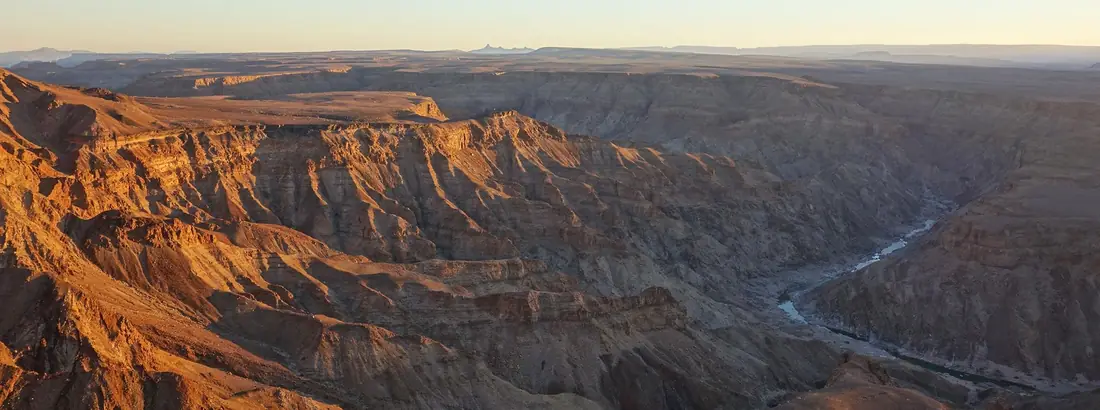
In southern Namibia, lies one of Africa's most awe-inspiring geological marvels, the Fish River Canyon. Stretching across a vast landscape of rugged beauty, this immense chasm is the largest canyon on the continent and ranks as the second largest in the world after the Grand Canyon. Carved over millions of years, the Fish River Canyon stands as a monument to Earth's natural forces, a living testament to the power of time. The canyon stretches 160 kilometers (100 miles) long, with widths of up to 27 kilometers (17 miles) and depths of nearly 550 meters (1,804 feet). Its steep cliffs and layered rock formations reveal Earth's history, dating back over 650 million years to tectonic shifts that formed a massive graben. Over time, glaciers deepened the rift, and as the landscape rose and continents drifted, the Fish River began carving the canyon into the rugged terrain.
Despite the harsh, dry environment, the canyon supports diverse life. Resilient plants like the quiver tree and euphorbia thrive in these conditions. While large mammals are rare, the canyon teems with smaller wildlife such as baboons, monitor lizards, Goliath herons, and fish eagles. During the dry season, intermittent flows of the Fish River create pools that serve as essential water sources for the canyon's inhabitants.
For those who seek to experience the raw beauty of the Fish River Canyon up close, the adventure of a lifetime awaits. The Fish River Canyon Hiking Trail is regarded as one of Africa’s premier treks, offering a challenging yet rewarding journey through this rugged landscape. Covering 85 kilometers (about 52 miles), the trail follows the winding course of the Fish River and typically takes hikers 4 to 5 days to complete. The hike is not for the faint of heart, as temperatures can soar in summer, making the cooler months of May to September the ideal time to embark on this journey. Along the way, hikers camp under the stars, their tents perched on sandy riverbanks or rock ledges, with only the sounds of nature for company.
For those who prefer to take in the canyon’s grandeur from above, several viewpoints offer breathtaking panoramas of its dramatic landscapes. Hell’s Bend, one of the most famous lookouts, provides a sweeping view of the canyon’s serpentine curves, with the Fish River glinting far below. At sunrise and sunset, the canyon walls come alive in shades of gold, pink, and orange, transforming the landscape into a painter’s palette of vibrant colors.
At the southern end of the canyon lies Ai-Ais, a natural retreat known for its hot springs. Here, after days of exploring the rugged wilderness, visitors can unwind in the soothing thermal waters, surrounded by towering mountains. The hot springs at Ai-Ais provide a perfect contrast to the harsh desert landscape, offering a moment of relaxation amid one of Namibia’s wildest and most beautiful regions.
Step back in time, to the ancient land of Kush, Sudan
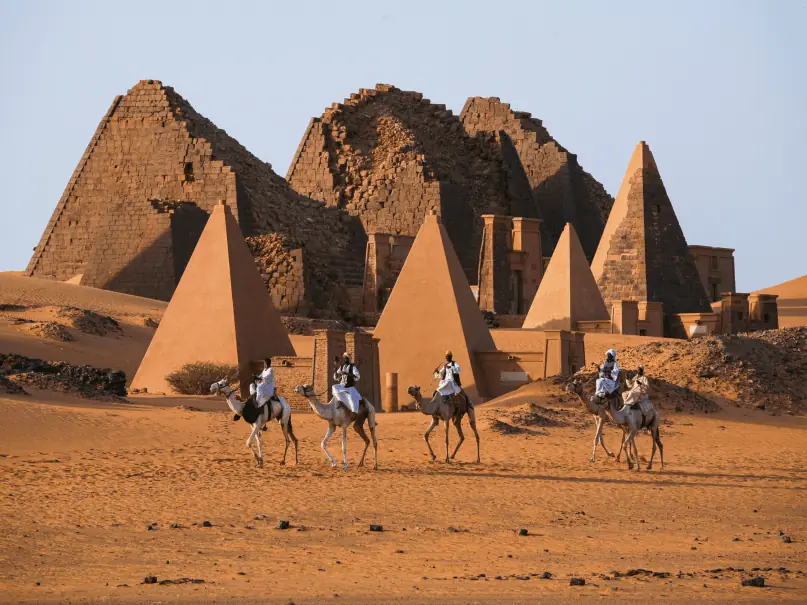
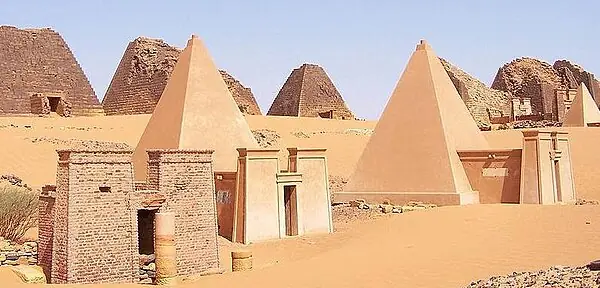
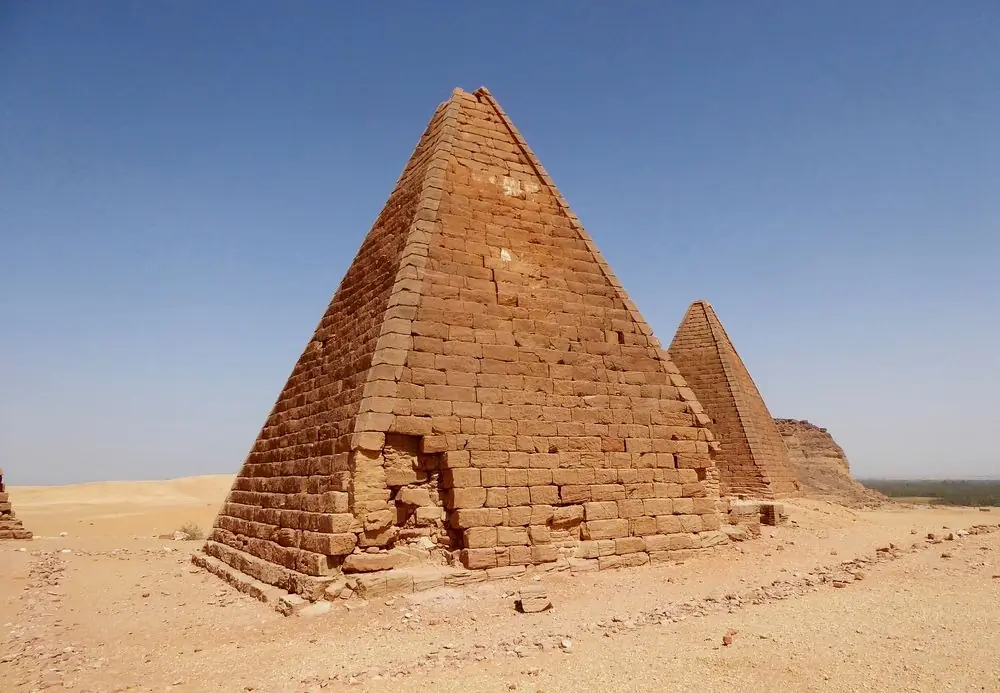
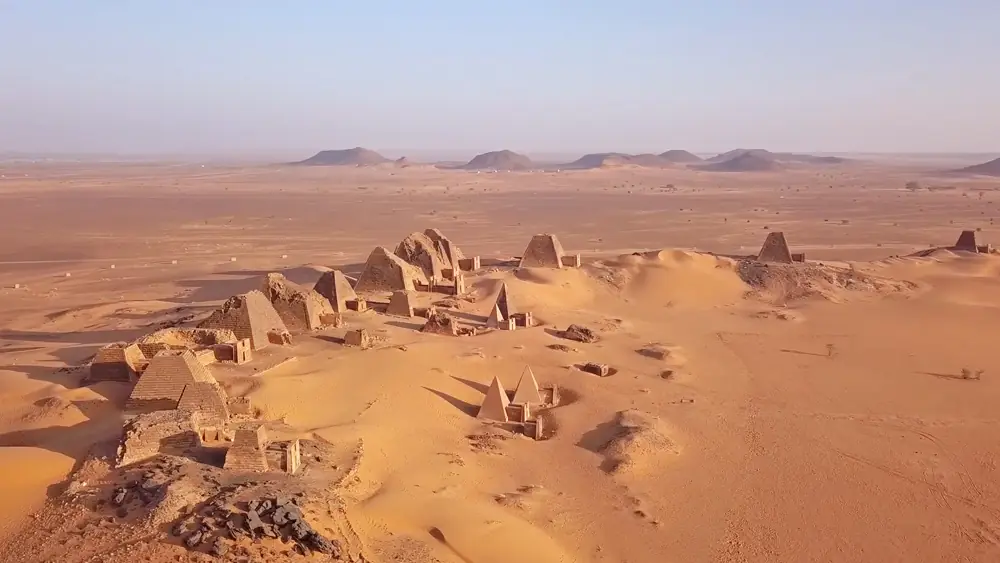
We all know about the Egyptian pyramids, but not much is widely known about the Nubian pyramids of Modern day Sudan. Journeying to the Nubian pyramids offers an enriching encounter with one of Africa's most fascinating ancient civilizations. Nestled in the deserts of northern Sudan along the banks of the River Nile, these pyramids stand as silent witnesses to the grandeur of the Kingdom of Kush, which flourished between 800 BCE and 300 CE. This UNESCO World Heritage site, boasts 250 pyramids! The sheer scale is staggering. For those seeking a deeper understanding of Africa's past, the Nubian pyramids offer a window into a distinct chapter of history, where architectural ingenuity, cultural richness, and stunning landscapes converge.
Visiting these pyramids offers peaceful solitude, far from the crowded sites of Egypt. Visitors can explore the ruins at their own pace, fostering a more intimate connection to the ancient world. The proximity to the Nile enhances the natural beauty of the scene, where the river winds through the desert, creating stunning photography opportunities that capture the grandeur of history. Located along ancient trade routes, these pyramids reveal connections to distant cultures, with artifacts linked to the Roman Empire and India. The Kushite civilization was a key player in a vast trade network, making these pyramids not just a celebration of Nubian culture, but also a testament to the interconnectedness of ancient civilizations.
They tell the story of a powerful kingdom that once ruled vast stretches of the Nile Valley, marking a time when Kushite kings ruled both their land and Egypt, reigning as pharaohs during the 25th Dynasty. Their tombs reflect their power, influence, and unique cultural identity, providing insight into the era's socio-political dynamics. Unlike the vast Egyptian pyramids, these are more compact with steeper, narrower sides, containing burial chambers that diverge architecturally from Egypt's design. More than tombs, Nubian pyramids served as spiritual centers, deeply tied to the religious life of the Kushites. Elaborate burial rituals and intricate carvings within the pyramids illustrate their spiritual beliefs and depict the afterlife, offering valuable insights into the Kushites' worldview and religious practices.
Visiting the Nubian pyramids is more than a chance to marvel at ancient architecture, it is an invitation to delve into a rich, yet often overlooked, chapter of African history. The pyramids stand as enduring symbols of a civilization that once shaped the region’s political and cultural landscape. For history enthusiasts, archaeologists, or travelers seeking a deeper connection with the past, the Nubian pyramids offer an unforgettable experience, one that blends the mysteries of ancient Africa with the timeless allure of the desert.
Experience the magnificence of Lake Assal, Djibouti
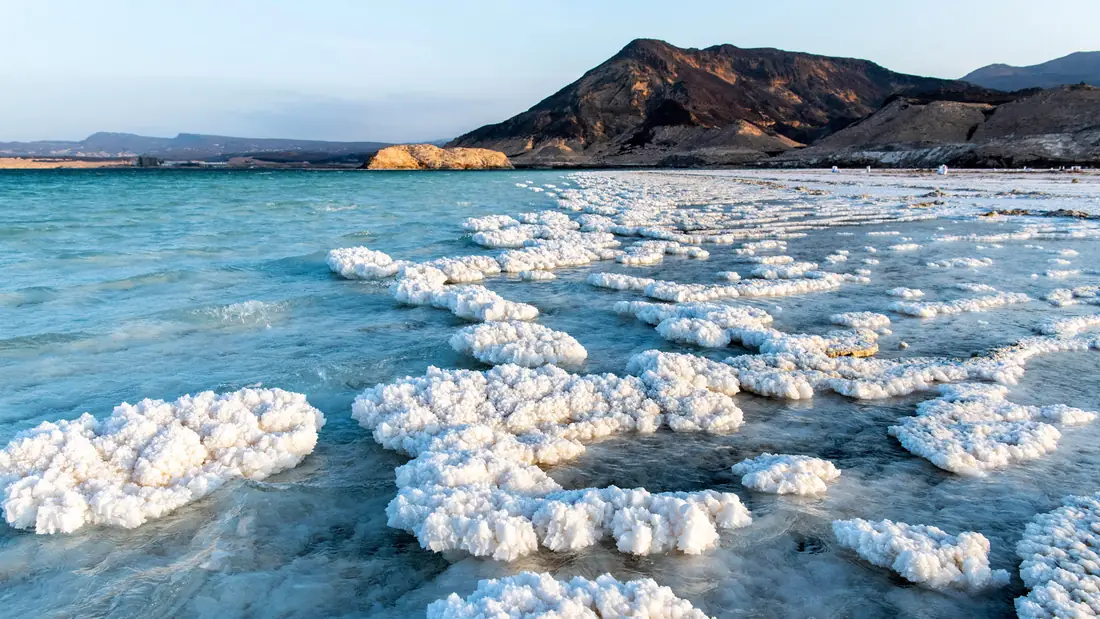
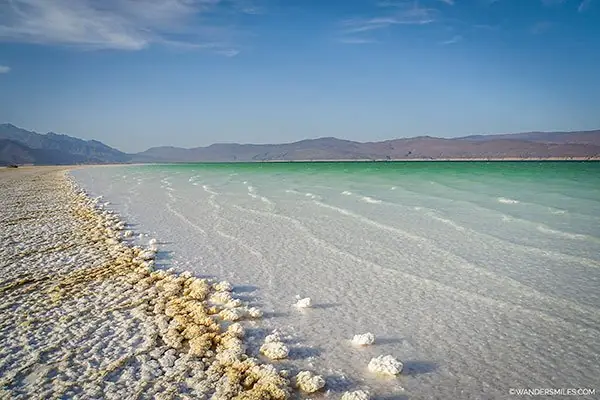
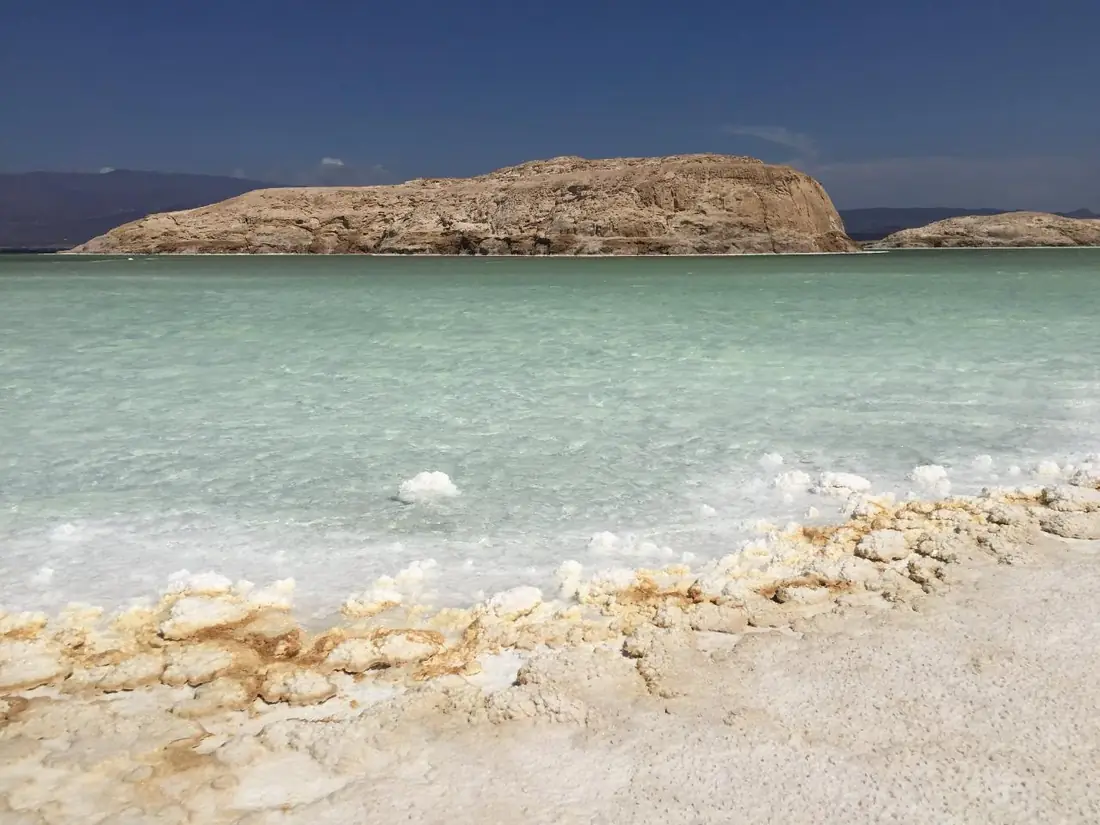
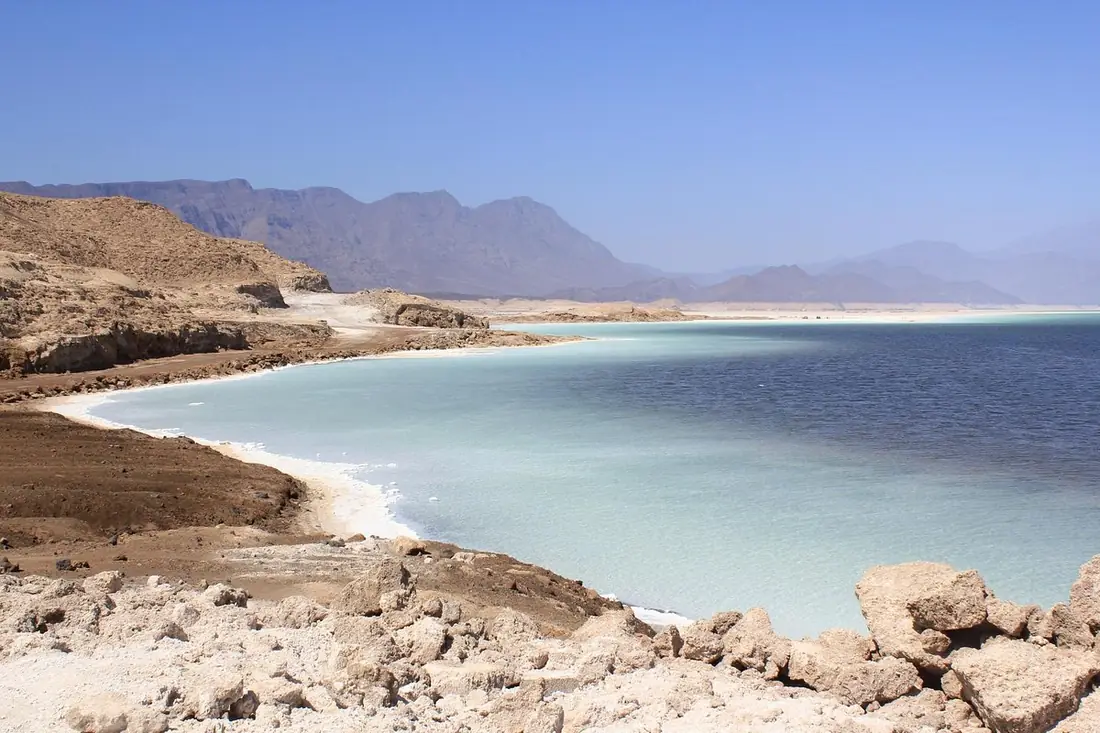
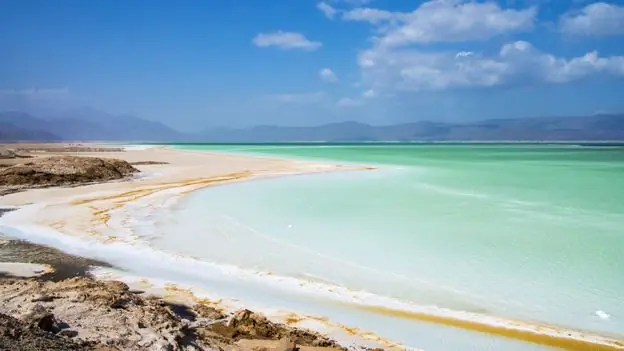
Lake Assal remains one of Africa’s best-kept secrets, a hidden gem that will dazzle you the moment you make the journey to its shores. Nestled within Djibouti’s Afar Depression, where volcanic craters and salt flats stretch endlessly, Lake Assal is one of the continent’s most mesmerizing natural wonders. Known for its surreal beauty and striking contrasts, this remarkable lake will captivate you with its vibrant turquoise waters and the stark white of the surrounding salt flats.
It offers a visual feast for nature lovers and photographers alike, creating an unforgettable spectacle, especially under the clear desert skies. For photographers, Lake Assal is a dream come true. The dramatic contrasts of light and shadow, the interplay of vibrant colors, and the vast scale of the salt flats provide extraordinary photographic opportunities. As the sun dips below the horizon, the sky transforms into a canvas of fiery reds, oranges, and pinks, casting a warm glow over the lake and salt flats, turning Lake Assal into a magical place.
The lake’s hyper-saline waters, containing around 45% salt, are far saltier than the Dead Sea and inhospitable to most life forms. However, they support a specialized ecosystem. Unique algae thrive in these extreme conditions, and some fish species have adapted to the unusually salty environment. The lake’s high salinity also provides remarkable buoyancy, allowing you to float effortlessly on its surface, an experience mentioned by many to be even more effortless than floating in the Dead Sea.
The salt flats surrounding Lake Assal have long been a source of livelihood for local communities. For centuries, the Afar people have mined salt here, continuing an ancient tradition that remains vital to the region’s economy. Visiting the lake gives you a rare opportunity to engage with these resilient communities, learn about their traditional way of life, and witness firsthand how they harness the lake’s resources to sustain their people.
For outdoor enthusiasts, Lake Assal offers more than just spectacular views. The surrounding region is a playground for adventurers. You can also combine your exploration of the lake with nearby attractions, such as the towering mountains that frame the desert or the pristine diving spots along the Red Sea coast. Djibouti’s compact size makes it easy to experience a wide array of natural wonders within a short distance.
A trip to Lake Assal is truly one for your bucket list, offering you an unparalleled experience in one of Africa’s most extraordinary locations. The lake has been proposed for inclusion on the UNESCO World Heritage List, a testament to its significance both within Africa and on the global stage. Visiting now gives you the chance to experience this hidden gem before it gains wider recognition as one of the world’s most remarkable natural sites.
Step back into Earth’s geological history, Angola
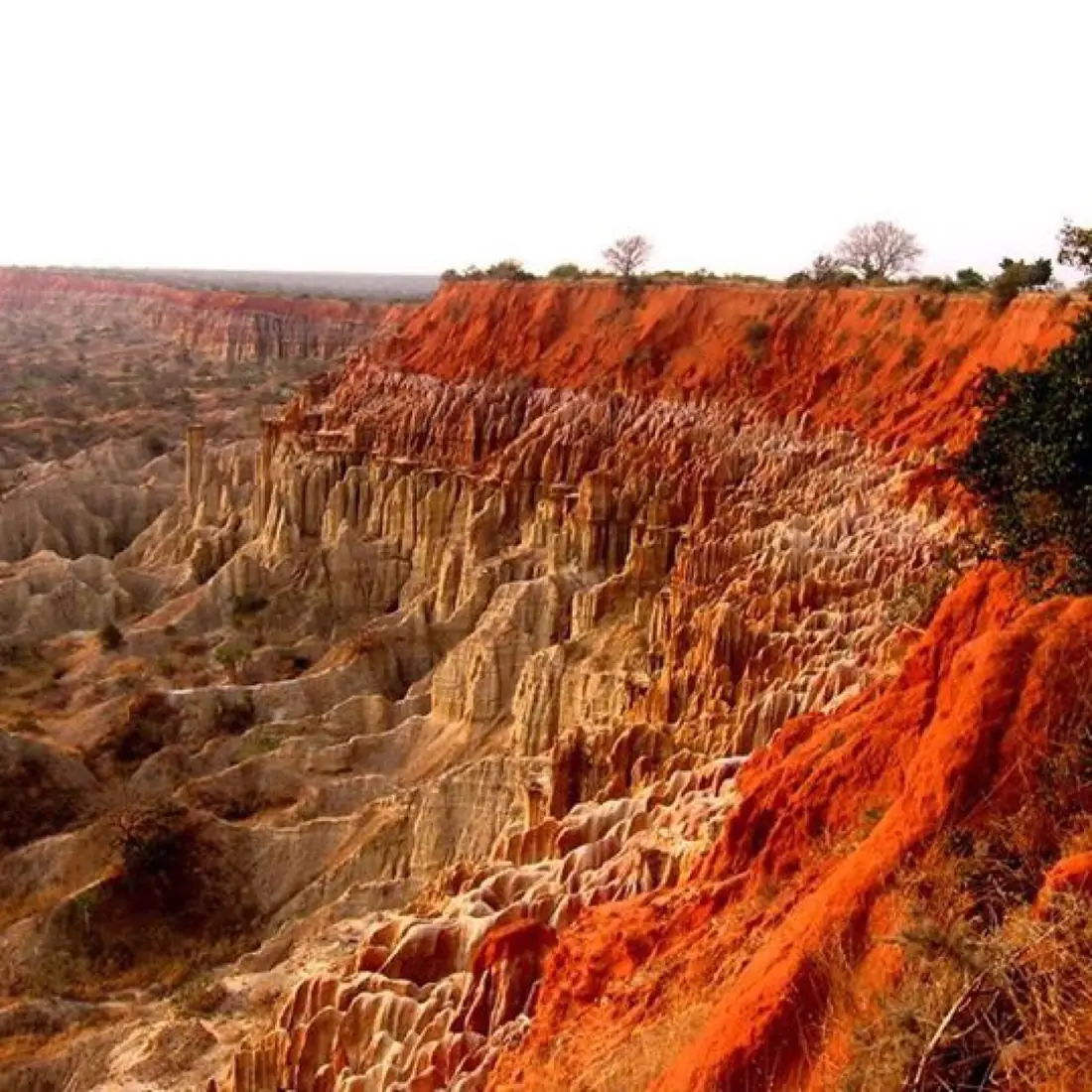
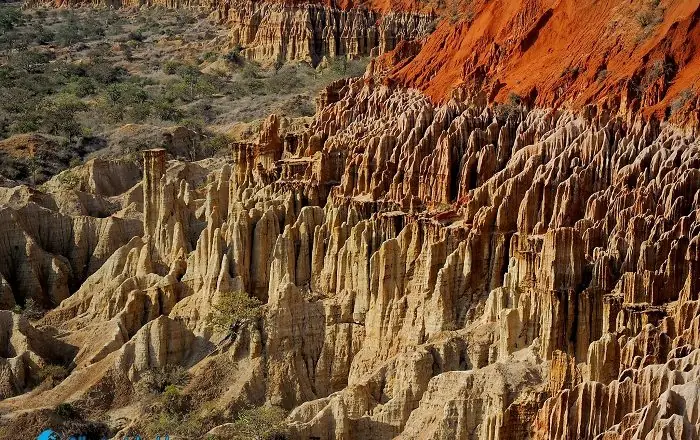
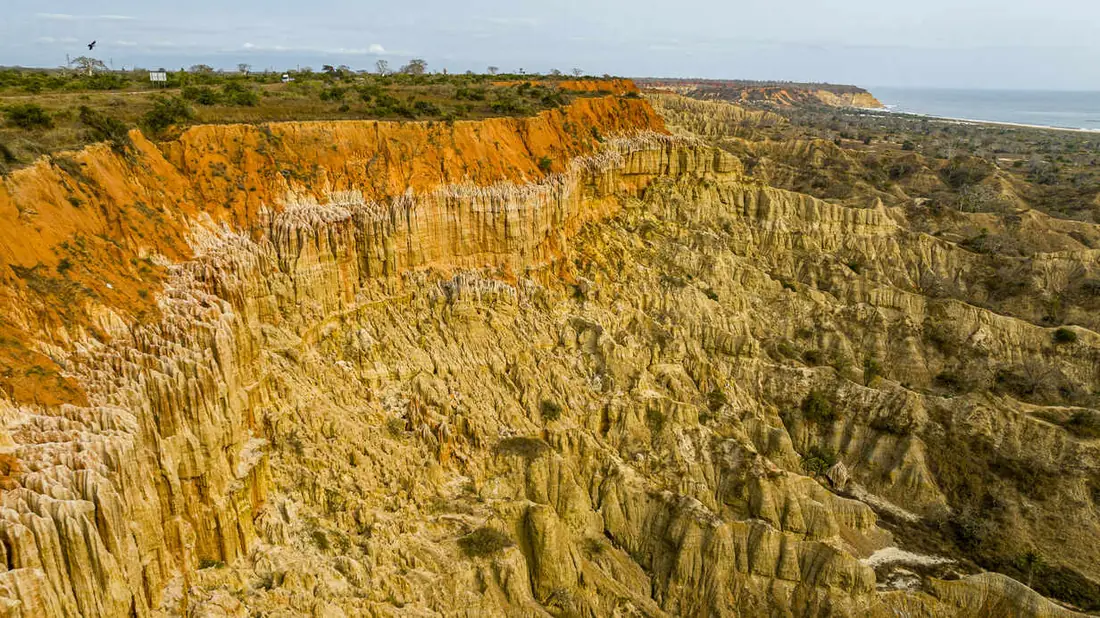
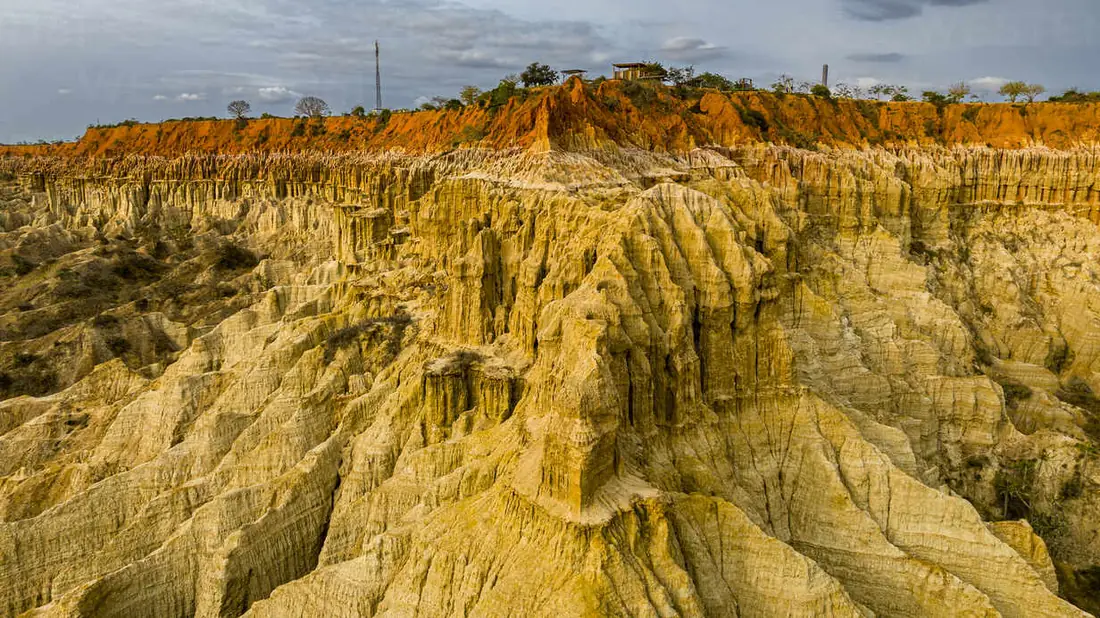
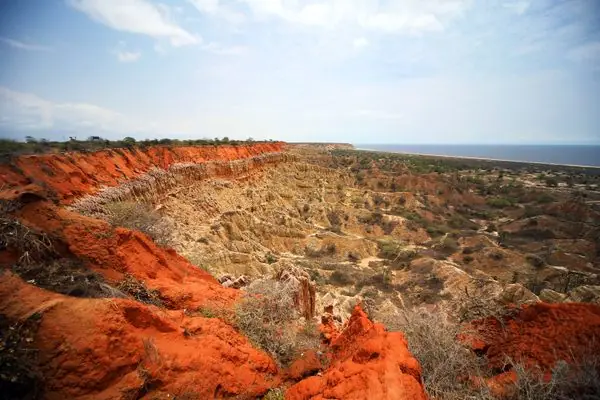
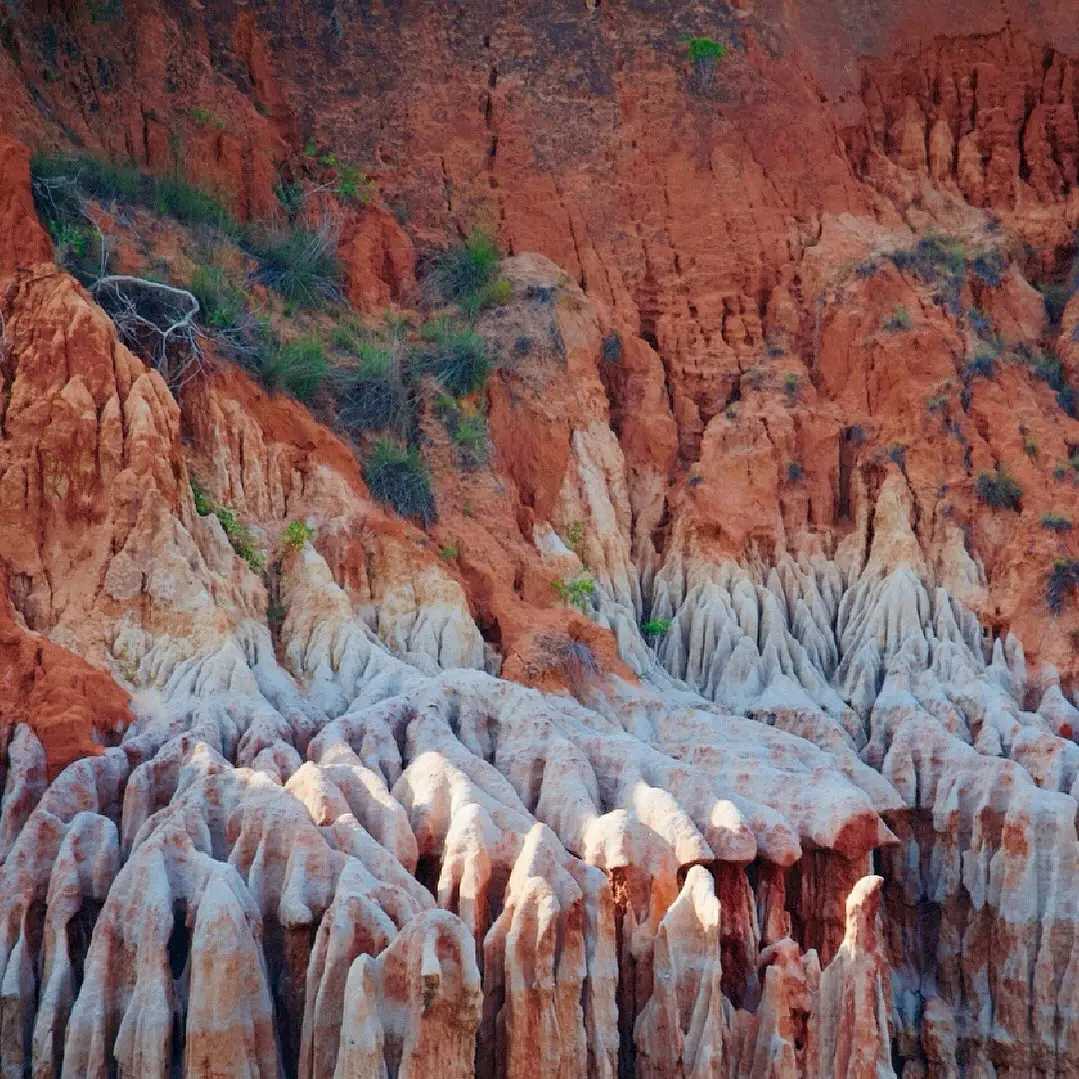
Just a short drive from Luanda, you’ll find Miradouro da Lua, or "Moon Viewpoint," one of Angola’s most captivating wonders. This breathtaking site, known for its lunar-like landscape and striking geological formations, offers you a unique glimpse into the beauty of Angola’s countryside. The viewpoint’s name is no exaggeration, as Miradouro da Lua’s landscape truly resembles the surface of the moon, with dramatic cliffs, valleys, and ridges carved by centuries of erosion. As the sun rises or sets, the rocks come alive with shifting hues of red, orange, and gold, creating a stunning natural light show. It’s the kind of place that leaves you speechless, with every angle offering a new perspective on this surreal terrain, making it feel like you’ve stepped into another world or literally stepping back into Earth’s geological history.
While the natural beauty is undeniable, Miradouro da Lua also holds deep cultural significance for the local communities. Legends and folklore tied to the landscape will add an extra layer of intrigue to your visit. Engaging with a local guide will enhance your experience by connecting you with the stories passed down through generations, offering a richer understanding of the area’s heritage.
If you’re an adventure seeker, the rugged terrain around Miradouro da Lua offers plenty of opportunities for exploration. You can hike the surrounding trails to fully appreciate the vastness of the landscape, or even take on the cliffs themselves if you’re into rock climbing. This is the perfect playground for the adventurous, outdoor enthusiasts.
One of the great advantages of Miradouro da Lua is its proximity to Luanda. Just a short drive away, it’s the perfect day trip for anyone looking to escape the city’s hustle and immerse themselves in nature. The ease of access from the city makes this natural wonder even more appealing, as it gives you plenty of opportunity to also explore other nearby gems such as the Fortress of São Miguel, a sentinel of Angola's colonial history built by the Portuguese in the 16th century, or the National Museum of Anthropology, which offers a rich dive into Angola's cultural heritage. Not far off, you’ll also find Kissama National Park (Parque Nacional da Quiçama), where you can see some of Angola’s most iconic wildlife in their natural habitat. And for the beachgoers and surfers, Cabo Ledo, known as “Surfers Paradise”, is another hidden gem just a drive away, offering pristine beaches and surf-worthy waves.
Beyond the adventure and photo opportunities, Miradouro da Lua offers something invaluable…………Peace. The serene atmosphere allows you to disconnect, breathe deeply, and soak in the beauty of the natural world. It’s the perfect spot to unwind, whether you’re enjoying a picnic or simply gazing at the endless horizon. This magical viewpoint will leave you with memories to last a lifetime. Don’t miss the chance to explore one of Africa’s hidden gems!