 Login
Djibouti
Djibouti – Strategically Located at the Crossroads of Trade
Strategically Located on the Horn of Africa, with 7 major ports and access to key shipping routes
gives Djibouti unparalleled importance in global maritime trade. Its deep-water ports, which serves as a key transit points for goods entering and leaving Africa, the Middle East, and Asia, has made it a logistics and shipping hub for the region.
Djibouti is strategically Located at the Crossroads of Trade
Djibouti, is a small yet strategically positioned nation in the Horn of Africa, that has increasingly been gaining recognition as a business-friendly destination. Situated at the southern entrance to the Red Sea, Djibouti serves as a gateway to the Suez Canal, one of the world's busiest maritime routes. Its location offers businesses direct access to key markets across Africa, the Middle East, and Asia, providing a large and diverse consumer base, making the country an ideal hub for trade and investment.
Sectoral opportunities
Djibouti’s small and medium-sized enterprises SMEs have a vibrant future due to the country’s strategic location as a global trade hub, supportive government policies, significant infrastructure investments, and emerging sectors like renewable energy and digital services. These factors, combined with a growing entrepreneurial culture and regional integration, create a conducive environment for SMEs to thrive and drive the nation’s economic diversification and growth. Its evolving economy presents fertile ground, particularly in these sectors aligned with its economic goals and strategic location.
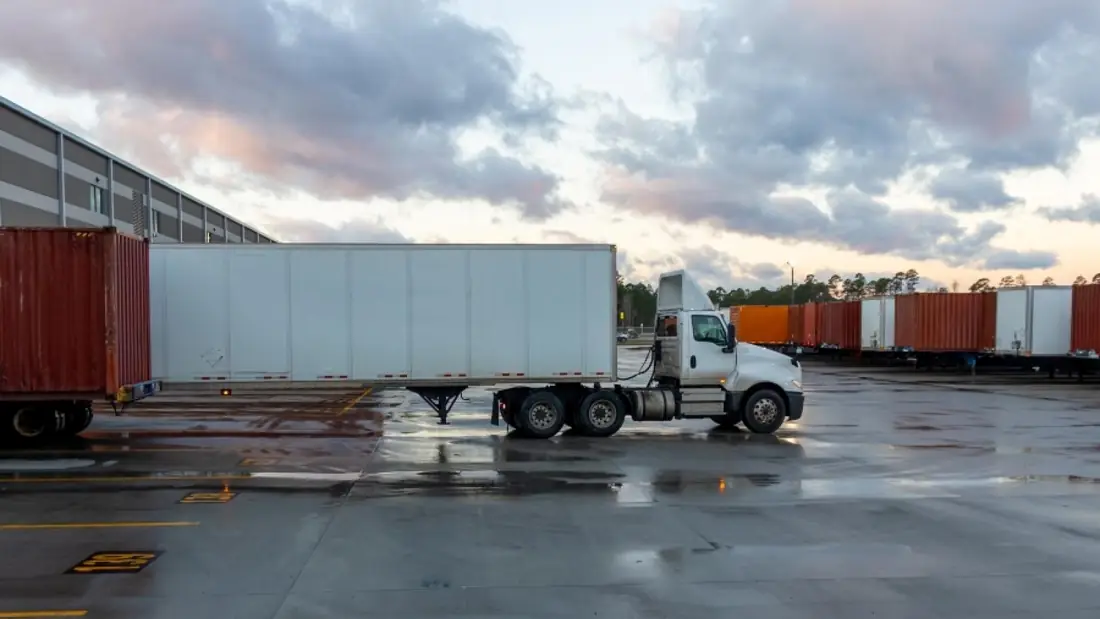
Logistics and transportation – Leveraging a strategic gateway Djibouti’s position as a key entry point to the Horn of Africa makes logistics a critical sector. SMEs in freight forwarding, transportation, and supply chain management are well-positioned to thrive, especially as demand for efficient trade routes and transport services continues to grow, bolstered by international trade.
Food services Djibouti’s expanding urban population and increasing appetite for diverse culinary options present opportunities for SMEs in food services. Restaurants, catering, and food delivery businesses can tap into the growing demand for varied and convenient dining experiences in urban areas.

Tourism and hospitality With its stunning coastlines, unique landscapes, and cultural heritage, Djibouti’s tourism sector is expanding. SMEs in eco-tourism, hotels, and tour services can attract both domestic and international visitors, capitalising on the rising interest in niche travel experiences that highlight Djibouti’s natural and cultural assets.
Construction and real estate As urbanization accelerates, SMEs in construction and real estate development can take advantage of growing demand for infrastructure, affordable housing, and commercial properties. The expansion of Djibouti’s urban centers creates numerous opportunities for businesses involved in building the country’s future.
Agro-processing Agriculture, though limited by Djibouti’s arid climate, presents opportunities for SMEs in agro-processing. Businesses focused on transforming local agricultural products, such as fruits and vegetables, into value-added goods can meet both domestic consumptions needs and export demand, aligning with the country’s goal to boost food security and trade.
Information technology As Djibouti moves towards greater digitalization, opportunities abound for SMEs in IT services, software development, and cybersecurity. The country’s growing demand for digital solutions presents a fertile space for businesses that can support both public and private sectors in their technological advancements.
Renewable energy With Djibouti’s emphasis on sustainability, renewable energy is an emerging sector. SMEs that provide solar energy solutions and other renewable technologies are well-positioned to meet rising energy demands, particularly as the government seeks to reduce reliance on fossil fuels and expand access to clean energy.
Infrastructure Development Driving Growth
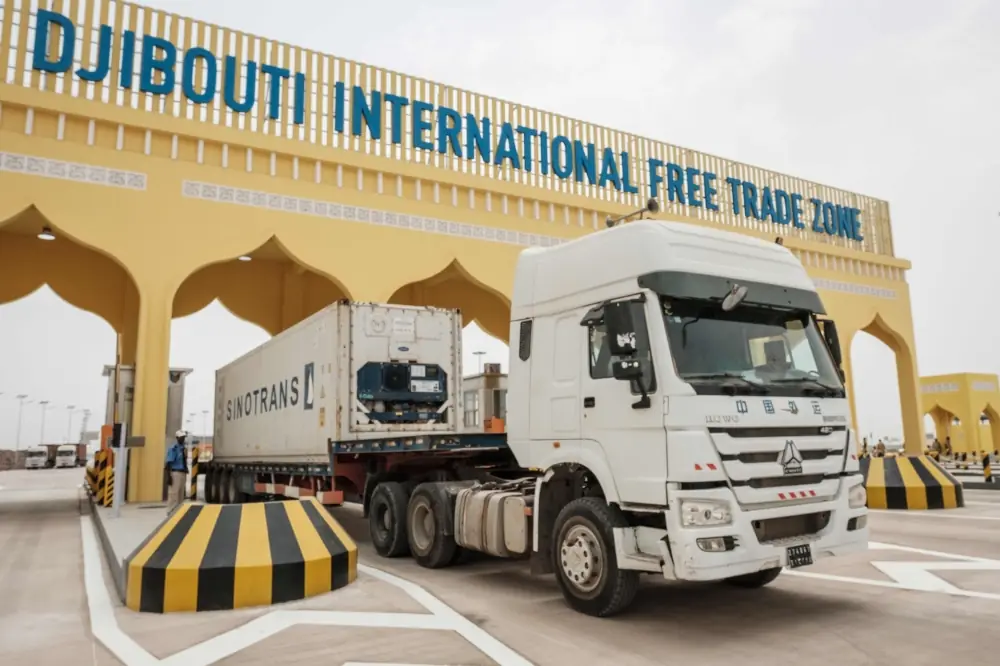
The government of Djibouti has prioritized infrastructure development to bolster the country’s role as a regional trade and logistics hub. Investments in modern seaports, airports, and transportation networks have made it easier for businesses to operate efficiently. Key projects, including the Djibouti International Free Trade Zone (DIFTZ) and the Djibouti-Addis Ababa Railway, have further enhanced the country’s connectivity and boosted its appeal to international investors. The Doraleh Multipurpose Port, along with ongoing improvements in transport and energy infrastructure, underscores Djibouti’s ambition to become a central player in regional trade and commerce.
Investment-Friendly Policies and Incentives
Djibouti has implemented a series of investment-friendly policies aimed at streamlining administrative procedures and reducing bureaucracy. These reforms have created a transparent, predictable regulatory environment that attracts foreign investment. Tax exemptions, duty-free imports, and investment guarantees add to Djibouti’s appeal, while the country’s free trade zones (FTZs) and special economic zones (SEZs) offer further benefits, including simplified regulatory processes and customs exemptions, encouraging both local and international businesses to establish operations.
Political Stability and Good Governance
Political stability and good governance have been key to Djibouti’s favorable business climate. Despite being located in a volatile region, the country has maintained peace and stability, creating a secure environment for investors. The government’s commitment to economic diversification and private sector development further strengthens its position as a reliable business destination. This focus on stability and governance ensures that Djibouti remains a top choice for businesses looking to invest in the region.
A Young, Dynamic Workforce
Djibouti’s youthful population is one of its greatest strengths. With a median age under 25, the country’s workforce is marked by energy, creativity, and potential for innovation. The government’s investment in education and vocational training is preparing this dynamic workforce to meet the demands of a growing economy. This young and skilled talent pool is positioning Djibouti as a competitive player in the global market, ready to drive economic growth and support a range of industries.
Excellent Work-Life Balance
Beyond its business appeal, Djibouti offers an excellent work-life balance, making it an attractive place to live and work. With its coastal beauty, stunning landscapes, and relatively relaxed pace of life, professionals enjoy a healthy blend of career success and personal fulfillment. The country’s natural beauty, alongside its growing infrastructure and pleasant climate, enhances the quality of life for expatriates and locals alike, adding to Djibouti’s allure as a destination for investment and residency.
As the country continues to prioritize economic diversification and infrastructure development, it is well on its way to becoming a leading investment hub in the region, offering significant opportunities for businesses and investors alike.
For more information on doing business in Djibouti, explore Tribe Africa's Business section, where you'll also find key contacts such as the Chambers of Commerce, National Investment Promotion Agency, and other valuable resources under the Tribe Africa Pages. For insights into Djibouti’s top tourist attractions, visit the Holiday section.
*When planning your first trip to Africa, it's essential to approach the experience with an open mind and a spirit of adventure. Many African nations are emerging from complex histories, and you’ll find an intriguing mix of modern, highly developed areas alongside regions that reflect a different pace of development. Each destination is unique, with regions evolving at their own rates.
You will be stepping into vibrant, fast-growing communities, where entrepreneurial energy thrives, and innovation often skips over traditional paths of progress. These dynamic environments offer a one-of-a-kind travel experience; an opportunity to witness the future being shaped in real-time.
While things may not always mirror what you're used to at home, embracing Africa's contrasts will open the door to its most authentic and rewarding aspects. Every country has its unique charm, and by appreciating the differences, you’ll uncover the incredible richness of Africa’s culture, landscapes, and people.