 Login
Did you know that
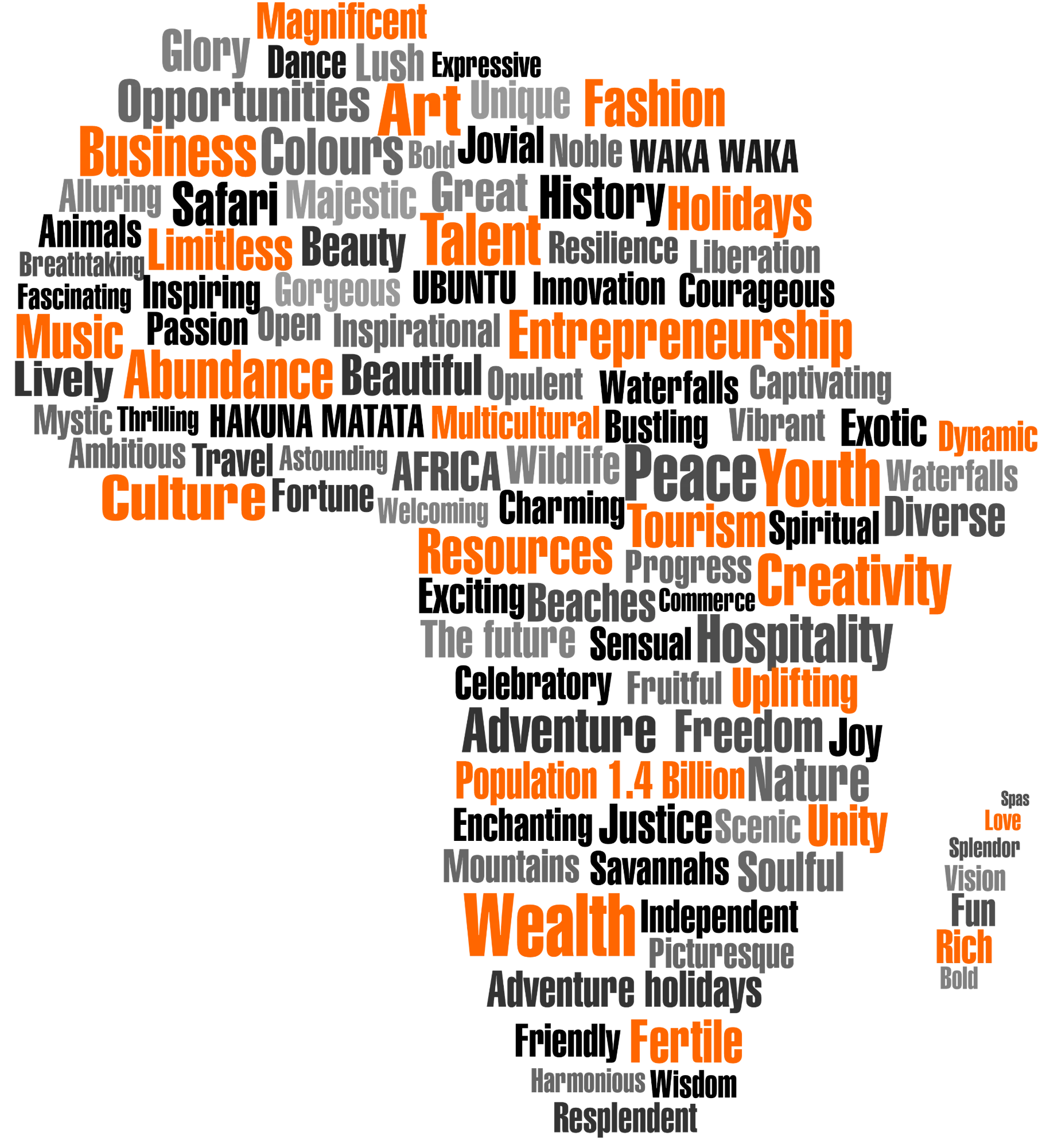
Africa is shaping the future

By 2050, Africa’s population is set to double, and by 2100, one in every three people on Earth will be African. This dramatic shift means that by the close of the century, sub-Saharan Africa, already home to one of the world’s youngest populations will cradle nearly half of the planet’s youth.
As the global landscape transforms, Africa’s burgeoning young population stands at the heart of this change, poised to shape the future. The question now is, how will this demographic explosion influence the continent, and the world? From bustling cities to remote villages, Africa’s youth are emerging as a driving force, carrying with them the potential to ignite innovation, economic growth, and cultural revival across the globe.
New frontier for Entrepreneurs

Africa is emerging as a vital frontier for entrepreneurs, driven by a combination of demographic, economic, and technological factors. By 2040, the continent’s workforce is set to surpass that of China and India, offering businesses a vast pool of talent and consumers. Many African nations are reforming regulatory frameworks, improving rankings in ease of doing business, and fostering a more conducive environment for entrepreneurship.
Technological advancements, particularly in mobile tech and fintech, are transforming cities like Kigali into innovation hubs. As urbanization accelerates, infrastructure development enhances connectivity and accessibility, benefiting businesses. Foreign direct investment is pouring into sectors such as technology, agriculture, and renewable energy, providing vital capital for growth.
Governments are actively promoting entrepreneurship with policies that support local businesses, while a cultural shift among Africa’s youth is embracing innovation and risk-taking as viable career paths. The rise of venture capital and angel investment is improving access to funding, particularly for small and medium-sized enterprises (SMEs).
With a rapidly expanding population, advancing business environments, and growing investment, Africa is positioned to play a significant role in the global entrepreneurial landscape.
Geopolitically significant
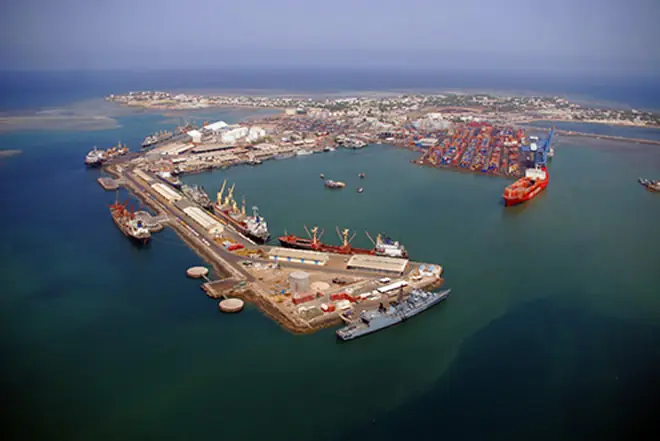
Africa’s geopolitical relevance stems from its strategic location, abundant resources, growing markets, and increasing political influence, making it pivotal in shaping international relations and addressing global challenges. The continent's geography, with coastlines on the Atlantic and Indian Oceans, the Mediterranean and Red Sea, and proximity to the Suez Canal, solidifies its importance for global trade. As a critical maritime link between Europe, Asia, and the Americas, Africa plays an indispensable role in international commerce.
Rich in natural resources, Africa holds nearly 30% of the world’s mineral reserves, including key commodities such as gold, diamonds, cobalt, and platinum. Furthermore, the continent accounts for 12% of global oil reserves and 8% of natural gas, positioning it as a significant force in global energy markets. Africa’s renewable energy potential is also notable, particularly in solar power, where it boasts an estimated capacity of 10 terawatts, aligning the continent with the global transition to sustainable energy sources.
In the realm of agriculture, Africa holds 65% of the world’s uncultivated arable land, positioning it to play a crucial role in ensuring global food security. As its population is projected to reach 2.5 billion by 2050, Africa will offer a vast and expanding consumer market ripe for investment. Rapid urbanization and economic growth, supported by initiatives such as the African Continental Free Trade Area (AfCFTA), are further transforming Africa into a key emerging market.
Africa’s influence on global governance is also increasing, with its voice becoming more pronounced in international forums, particularly on issues like climate change and trade policy. As global powers, including China, India, and Western nations, vie for influence, Africa’s strategic importance continues to rise.
Africa is abundant
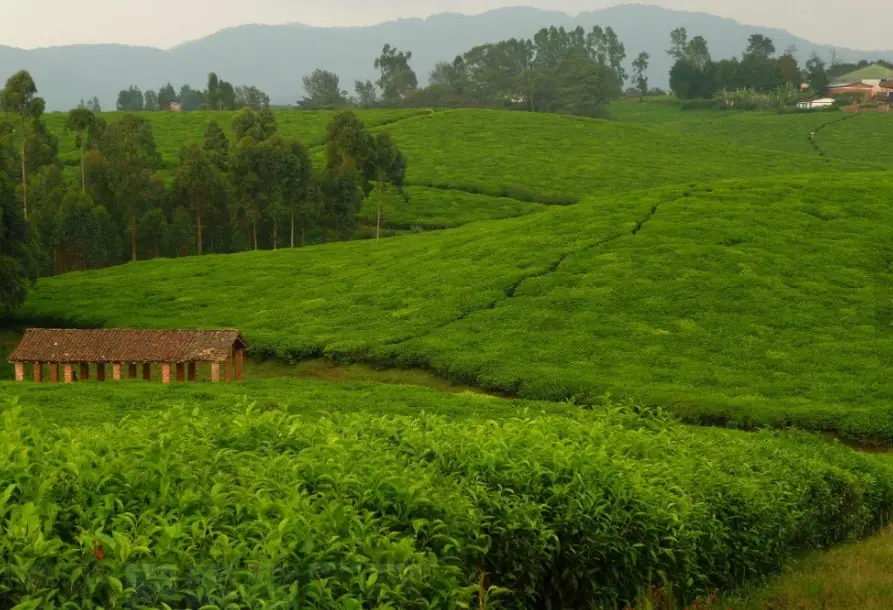
Africa's natural resources, spanning minerals, oil, gas, and agriculture, offer immense economic potential. However, unlocking this wealth requires strategic investments in infrastructure, governance reforms for sustainable management, and policies ensuring equitable distribution of resource profits. These resources, if managed wisely, could transform Africa’s economic future.
Minerals and Metals Africa holds 30% of global mineral reserves. It supplies 40% of the world's gold, dominates platinum and chromium production, and possesses significant cobalt and lithium reserves, crucial for the growing battery industry.
Oil and Gas The continent accounts for 12% of global oil and 8% of gas reserves, with key producers like Nigeria, Angola, and Libya. Recent gas discoveries in Mozambique and Tanzania highlight the region’s growing energy importance.
Agriculture With 65% of the world’s uncultivated arable land, Africa is well-positioned for agricultural expansion, vital for enhancing global food security.
Water Africa holds considerable freshwater resources. The continent has around 4,000 billion cubic meters of renewable freshwater annually, yet only 2% is currently utilized.
The continent is home to major water bodies, including the Nile, the world’s longest river, essential for Africa's northeastern water supply, and the Congo, the second-largest by discharge, sustaining the central African ecosystems. Africa also hosts some of the world's largest freshwater lakes, such as Lake Victoria, Lake Tanganyika, and Lake Malawi.
Africa’s aquifers hold more than 20 times the water stored in its lakes, with an estimated volume of 0.66 million cubic kilometers, with key reserves found in Libya, Algeria, Egypt, and Sudan. These groundwater sources are critical, particularly in arid regions, where surface water is scarce. Maximizing the potential of these resources will be vital for agriculture, development, and addressing water scarcity.
A natural wonder

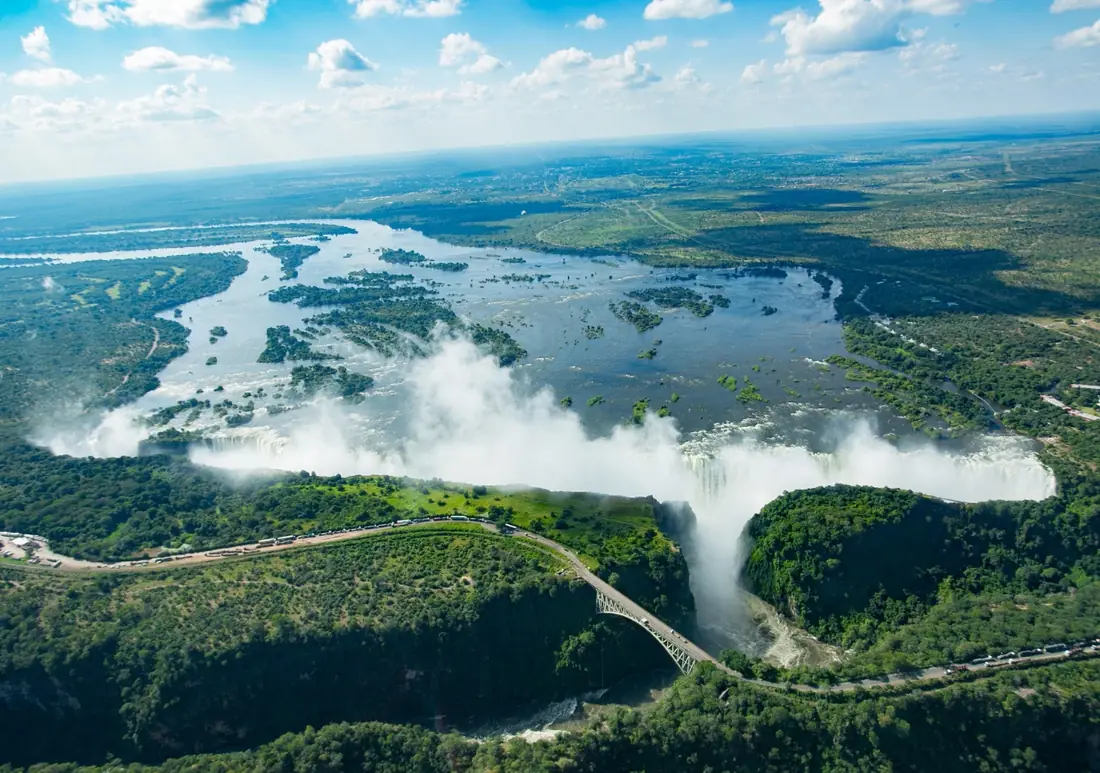
Africa is a continent of unparalleled ecological richness, boasting a stunning array of ecosystems that range from vast savannas and arid deserts to thriving coastal regions, and over 131 million hectares of wetlands. It is also home to one of the world’s largest rainforests, the mighty Congo Basin, covering approximately 240-million-hectares housing a significant portion of the planet’s biodiversity.
With such diverse landscapes, it's no wonder that Africa harbors 20% of the world's land and bird species, 25% of all mammal species, and at least one-sixth of the planet's plant species are endemic. These extraordinary landscapes make Africa a true sanctuary for wildlife and a critical player in global biodiversity.
An emerging tourism powerhouse
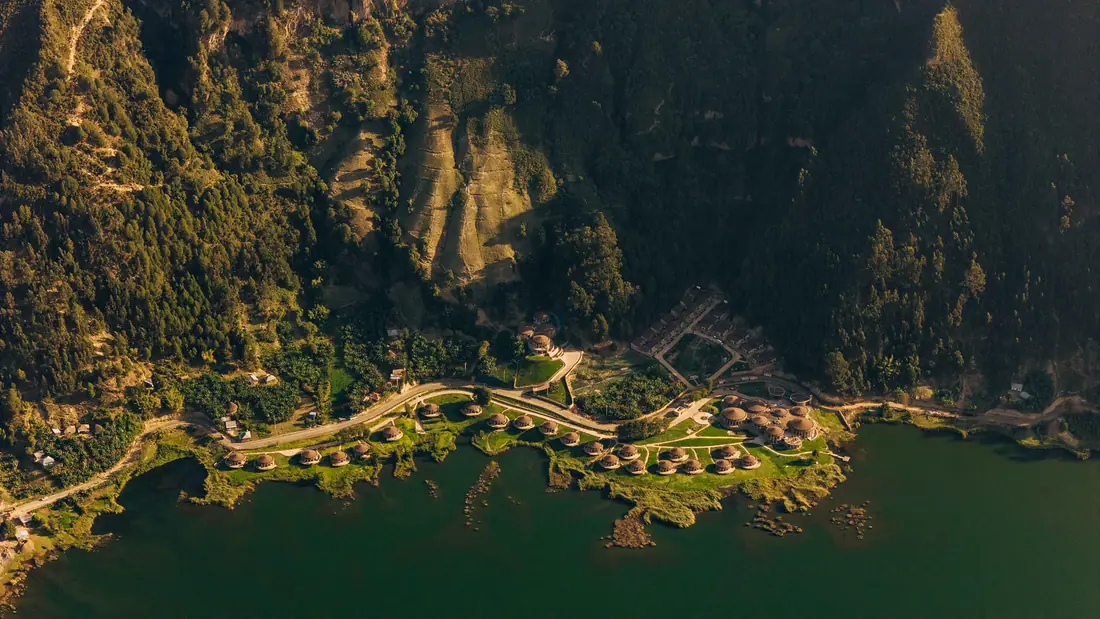
Africa's rich cultural heritage, stunning landscapes, and abundant wildlife have positioned it as a rising star in global tourism. The continent's travel and hospitality sector is experiencing robust growth, fueled by increasing demand for eco-tourism, luxury lodges, and safari experiences.
This expansion presents compelling opportunities for investment, particularly in the development of hotels and sustainable tourism ventures. As infrastructure improves and international interest grows, Africa’s tourism industry stands poised to become a major economic driver.