 Login
Update Tribe Africa with your latest innovations
Innovations
Amazing inventions
WAGA Power Pack, Tanzania
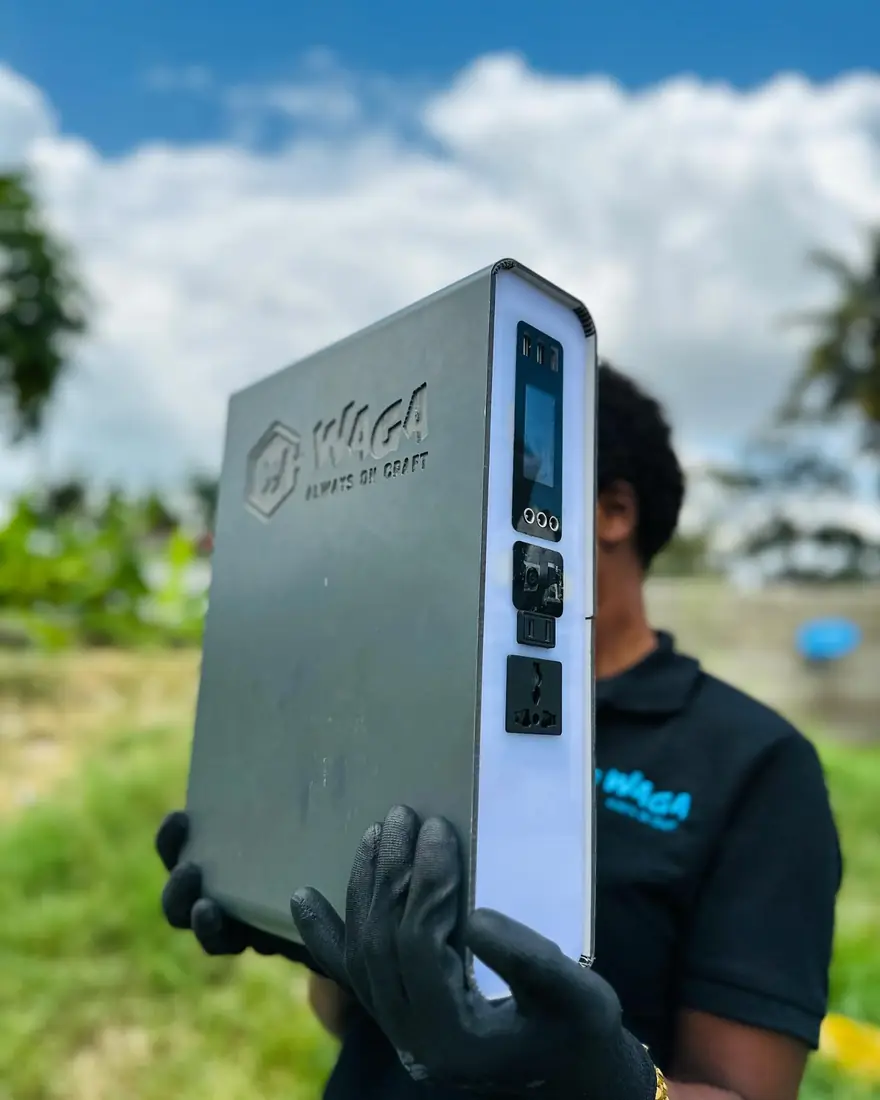
Giving new life to trashed lithium-ion batteries
Aiming to break the cycle of battery waste, Tanzanian electrical engineer Gibson Kawago developed the WAGA Power Pack, a portable energy solution made from recycled lithium-ion batteries. Designed to address the country's unreliable electricity supply, the device powers electric bikes, power banks, solar lights, homes, and businesses. The WAGA Power Pack offers durable and affordable battery-powered products, with voltage options of 12, 24, or 48 volts depending on the intended use, ranging from lighting and heating to appliances. By recycling discarded batteries, Kawago's innovation supports both sustainability and energy accessibility in Tanzania.
EAT-SET, Nigeria

The Emergency Autotransfusion Set
The Emergency Autotransfusion Set (EAT-SET) was invented by Dr. Otu Oviemo Ovadje, a Nigerian Army doctor, to address the fatal consequences of ruptured ectopic pregnancies, a common issue in developing countries. With limited access to organized blood transfusion services, many women faced heightened risks of death from internal hemorrhages. The EAT-SET became a life-saving low-cost solution in regions with limited healthcare infrastructure, by collecting and filtering the patient's own blood during surgery and reinfusing it, eliminating the reliance on donor blood and reducing the risks of disease transmission or immunological reactions in the case of accidents, and other life-threatening conditions. Capable of processing 500ml of blood in just two minutes, the EAT-SET system's efficiency, offers a critical life-saving solution for low-resource regions with limited healthcare facilities.
Kumulus, Tunisia
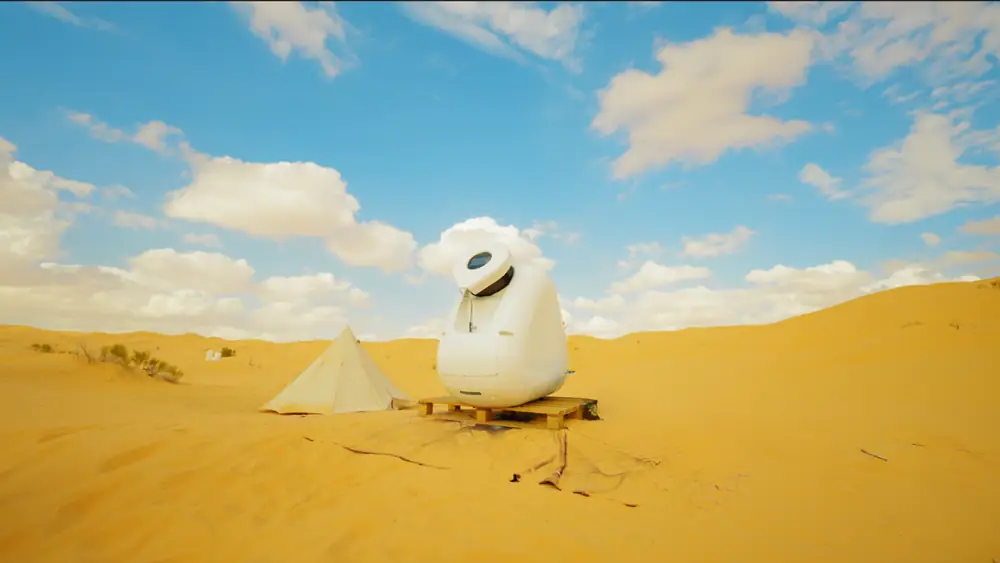
Turning thin air into fresh drinking water
Iheb Triki, formerly an advisor to Tunisia's Ministry of Industry, Energy, and Mines, shifted his career focus to entrepreneurship, driven by a commitment to environmental sustainability. Through his startup Kumulus, he seeks to address water scarcity in remote communities by providing sustainable, low-cost water solutions.
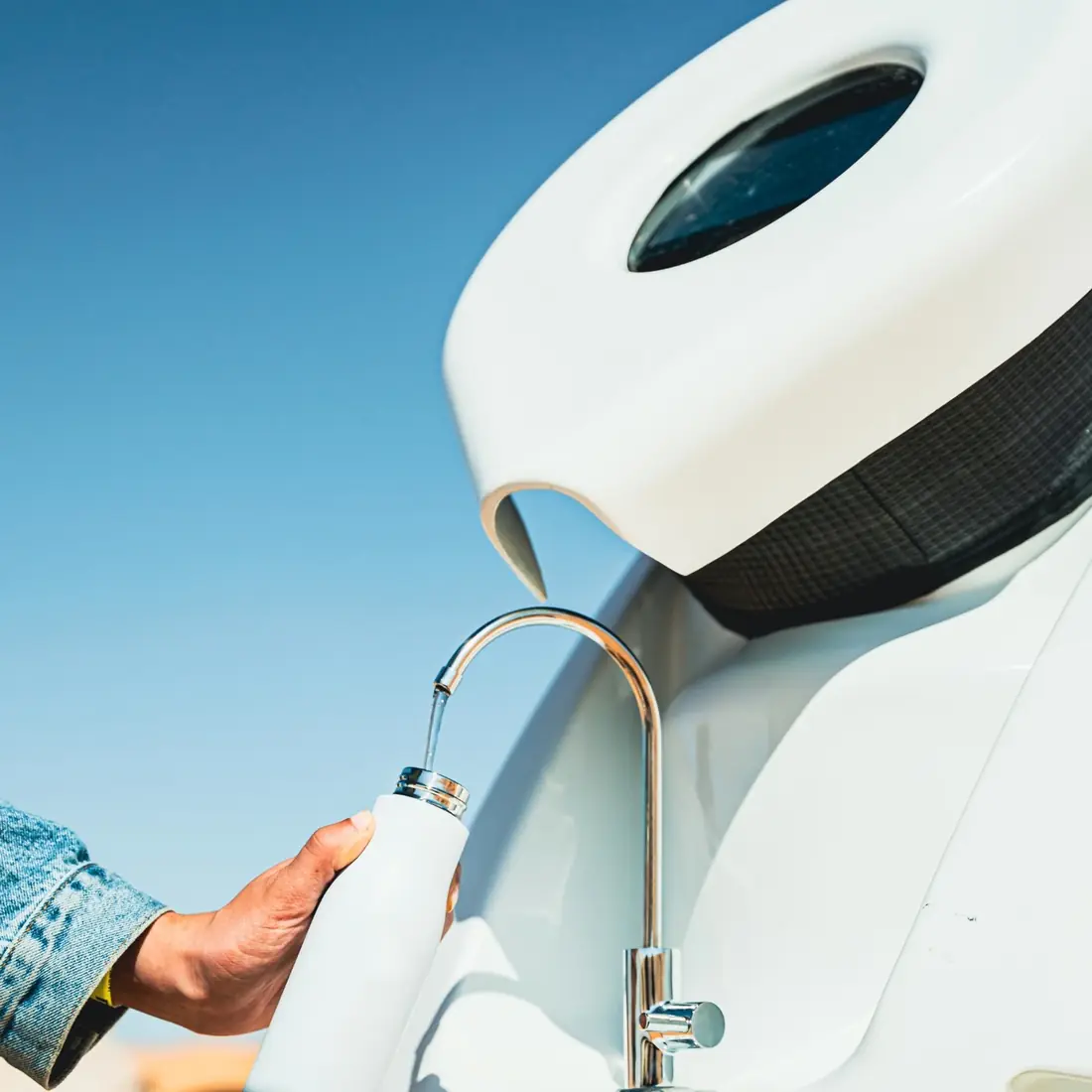
Kumulus transforms air humidity into clean drinking water, offering a promising solution to global water scarcity. The system captures air, cools it to condense moisture into water droplets, then filters and mineralizes the water to meet EU and WHO safety standards. Each unit, powered by solar energy or electricity, produces 20 to 30 liters of water daily, providing hydration in regions with limited access to clean water. Kumulus stands out for its sustainability by using renewable energy and reducing reliance on traditional water sources. Deployed in schools and rural areas in Tunisia, this technology is already improving lives by ensuring access to safe water. As climate change intensifies, Kumulus could be a game-changer in addressing water scarcity worldwide.
The Cardio Pad, Cameroon
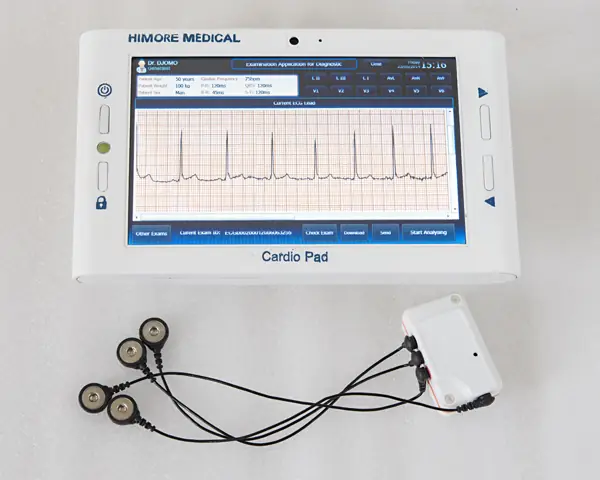
Rapid heart diagnoses for patients in remote areas
The Cardio Pad, is a groundbreaking tablet invented by Cameroonian entrepreneur Arthur Zang, revolutionizing rural healthcare by offering rapid heart diagnoses for patients in remote areas. This touch-screen device, equipped with Bluetooth-connected electrodes, records a patient’s heart activity and transmits the data to a healthcare center where a cardiologist can evaluate the electrocardiogram (ECG) and send back a diagnosis, all within 20 minutes. Winner of the Royal Academy of Engineering's Africa Prize, the Cardio Pad eliminates the need for direct doctor-patient interaction, offering a swift, accessible solution for heart monitoring.
SIGN-IO, Kenya
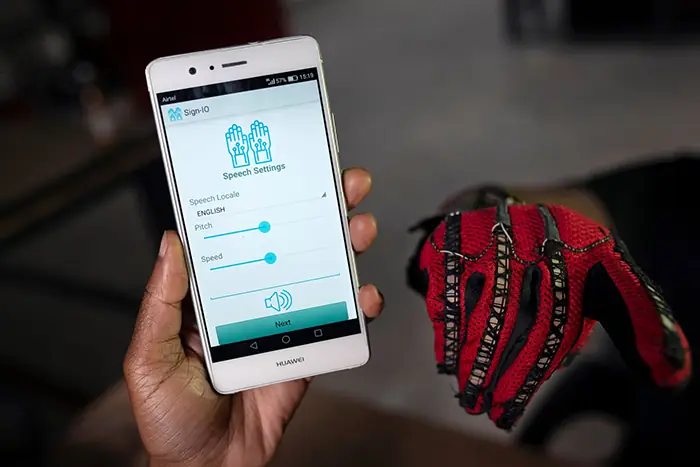
Revolutionizing sign language
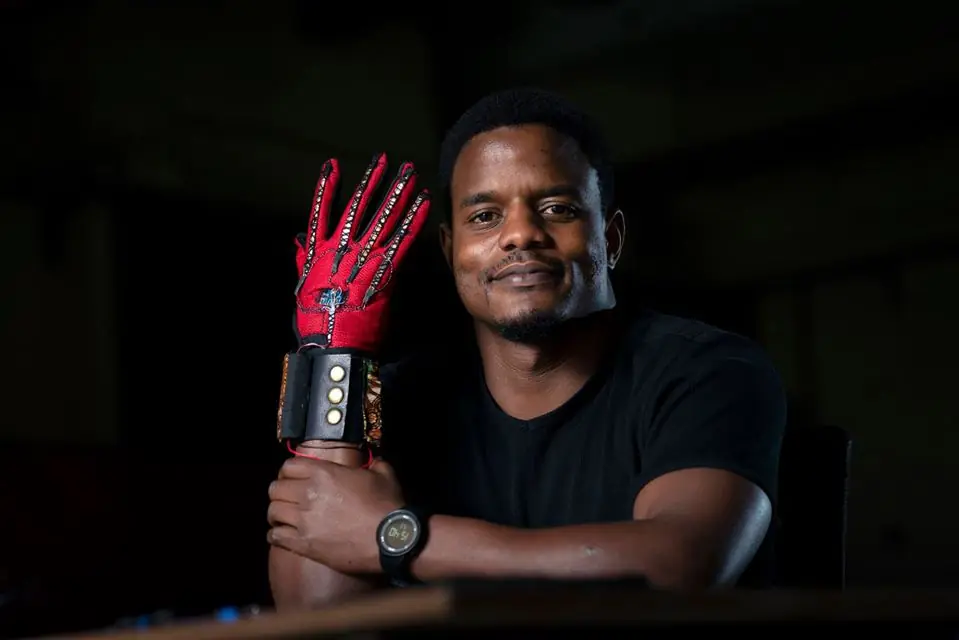
Kenyan engineer Roy Allela is transforming communication for sign language users with his innovative language-to-speech translation glove. When worn, the glove captures various sign language gestures, converting them into audio that is vocalized through an app on a mobile device. Users can customize the output by adjusting the voice's speed, pitch, and gender, enabling deaf individuals to communicate seamlessly with others without needing a translator. This technology facilitates better communication with families, friends, and the public, and serves as a tool for teaching and training in sign language.
https://www.innovationagency.go.ke/
AgriProtein, South Africa
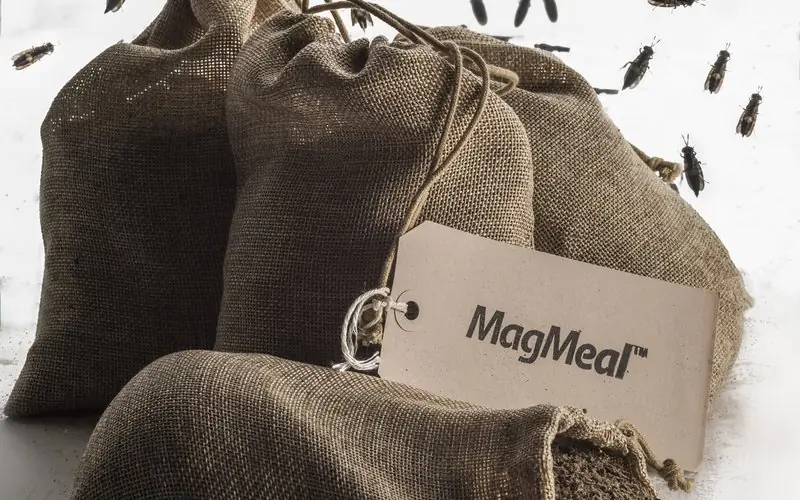
The world’s largest commercial fly farm producing sustainable feed
Two South African brothers, Jason and David Drew saw potential in the swarms of flies at waste sites, recognizing that the larvae could become a sustainable protein source. They now harness flies to lay millions of eggs on food waste daily, transforming the larvae into MagMeal, a high-quality protein feed made from maggots. MagMeal offers an eco-friendly alternative to traditional fish meal, a widely used feed used for feeding chickens, pigs, fish, and pets derived from dried fish. AgriProtein also produces MagOil, a sustainable oil suitable for aquaculture and pet food, positioning it as an alternative to palm oil. Additionally, they create MagSoil, an organic compost, further contributing to environmental sustainability. The company has embarked on an ambitious international expansion, with plans to establish 20 fly farms across North America. This effort forms part of a broader strategy to construct 100 fly farms by 2024 and 200 by 2027, positioning the firm at the forefront of sustainable agriculture and alternative protein production.